- Laptops with NVIDIA RTX and Ryzen processor with AI combine powerful GPU, modern CPU and NPU to balance performance, efficiency and smart features.
- DLSS, Tensor cores, and AI units in Ryzen enable enhanced gaming, content creation, and video calls with advanced filters and assistants.
- When choosing a model, it's key to check RAM, SSD storage, screen, and cooling system to truly take advantage of the combined power of NVIDIA and Ryzen AI.
- Large online stores use dynamic menus, panels, and user feedback to highlight and optimize their offering of laptops with NVIDIA and Ryzen AI.
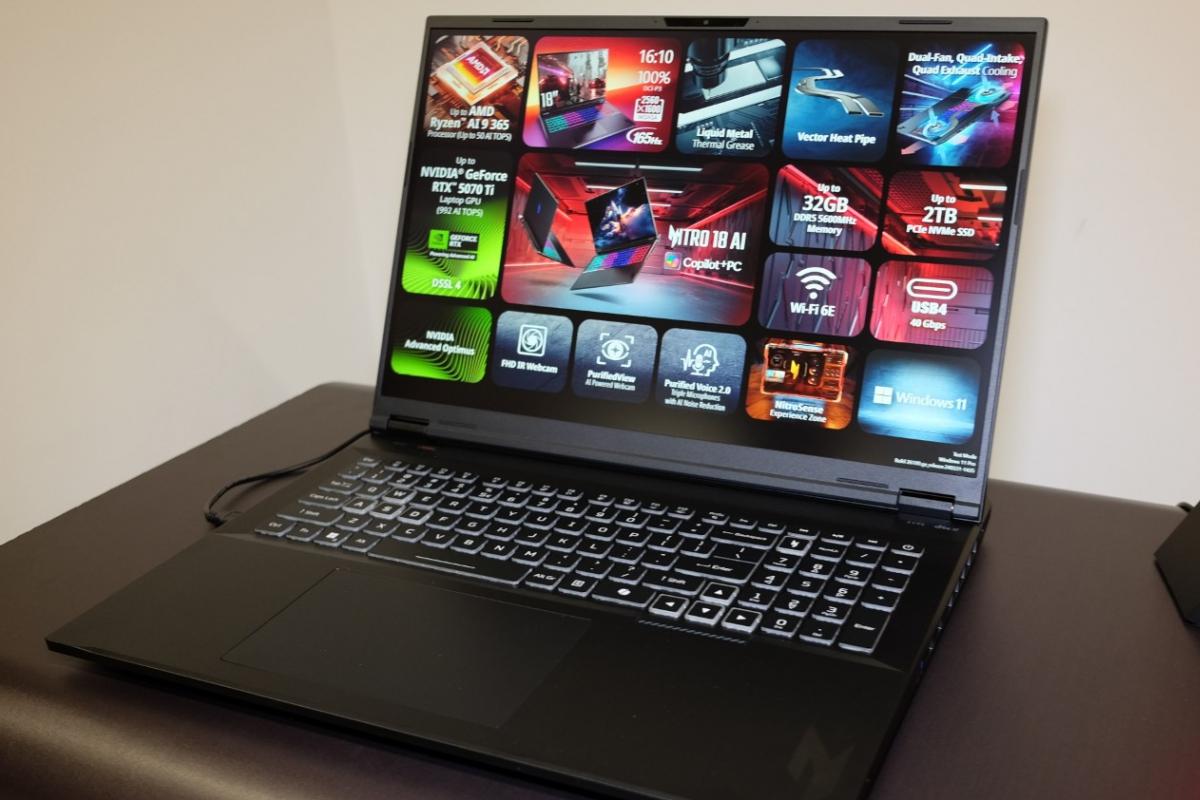
Combining Laptops with NVIDIA and Ryzen AI It has become one of the most sought-after devices for those who want serious performance for work, play, and content creation without sacrificing mobility. Although many technical specifications and navigation menus on online stores can be confusing or full of scripts, A guide to understanding and analyzing laptops It helps to see that, beneath all that code, more and more manufacturers are opting to combine NVIDIA's GeForce RTX graphics cards with AMD Ryzen processors with artificial intelligence capabilities to offer very balanced systems.
In this article we're going to calmly break down what you can expect from a Laptop with NVIDIA GPU and Ryzen CPU with AIThis article will explain what you should look for before buying, what technologies lie behind all those acronyms, and why this combination is so interesting for both gaming and advanced productivity. The idea is that, when you finish reading, things will be much clearer and you won't get lost among links, drop-down menus, or unhelpful messages like "tell us why this content didn't help you."
What does a laptop with NVIDIA and Ryzen AI really mean?
When we talk about a Laptop with NVIDIA and Ryzen AI We're referring, on the one hand, to a dedicated NVIDIA GeForce RTX graphics card and, on the other, to a latest-generation AMD Ryzen processor that integrates specific capabilities for artificial intelligence tasks. In other words, it's not enough for it to have a "normal" Ryzen; it's part of the new wave of CPUs that include an NPU (AI unit) or extensions designed to accelerate machine learning algorithms; examples of high-performance CPUs like the Ryzen 9 9955HX3D They illustrate the focus on power and efficiency in modern laptops.
On the NVIDIA side, GeForce RTX graphics cards include Tensor and RT cores Designed for real-time ray tracing and AI acceleration, such as DLSS, these processors deliver enhanced gaming performance, improved image quality, and new content creation capabilities. Meanwhile, AMD Ryzen processors with AI add their own logic for tasks like speech recognition, video filters, and intelligent operating system functions without overloading the traditional CPU.
This combination allows the laptop to distribute the workload between the NVIDIA GPU, Ryzen CPU and NPUand, in some models, also integrate a mux switch This optimizes the use of the dedicated or integrated GPU depending on the task, instead of relying solely on a single component. For the user, this translates to a more responsive device when running multiple demanding applications simultaneously, quieter operation during light AI tasks (such as video calls with filters), and, overall, better battery life.
Another important detail is that many of these devices are sold on large e-commerce platforms where navigation relies on dynamic menus and flyoutsThese include categories that expand, links with special styles, promotional images, and subcategory panels that appear and disappear when you move the mouse or use the keyboard. While this may seem purely decorative from the outside, it reflects the enormous variety of configurations available and the need to guide the user through hundreds of combinations of GPU, CPU, RAM, and storage.
In addition, manufacturers and online stores use systems of tracking interactions and events (clicks on links, time spent on a category panel, which models we compare, etc.) to determine which laptops with NVIDIA and Ryzen AI generate the most interest. This information ultimately influences the most heavily promoted models, the featured offers in menus, and the filters that appear first when we search for a powerful computer for gaming or work.
Architecture and key technologies: NVIDIA RTX and Ryzen with AI
The key to these teams lies in how the NVIDIA and AMD technologiesGeForce RTX graphics cards integrate CUDA cores for general processing, RT cores for ray tracing, and Tensor cores for AI. This triple combination allows for acceleration of everything from next-generation video games to video editing, 3D design, and advanced rendering applications.
AMD Ryzen processors with AI capabilities incorporate, in addition to their traditional CPU cores, specialized units for inference of artificial intelligence models. These units can handle tasks such as background blurring in video calls, image sharpening, microphone noise cancellation, or intelligent assistants that analyze the system context. Interestingly, because they are integrated directly into the processor, they consume less energy than if these tasks were performed solely by the GPU.
The interaction between NVIDIA GPU and Ryzen CPU relies on optimized controllers and APIs These features allow programs to choose the best component for each task. For example, a video editor might use the GPU to accelerate H.264 or H.265 encoding, while leaving color correction or reframing AI to a combination of NPU and CPU. In a video game, the engine might leverage DLSS on the GPU and reserve CPU resources for physics, enemy AI, or managing complex open worlds.
On websites where these laptops are sold, all of this is reflected in technical specifications full of category data, internal keys, and stylesAttributes such as “data-category”, “data-digest”, or specific CSS classes to highlight particular models. Although they may seem like noise, these elements are fundamental for the interface to highlight certain NVIDIA + Ryzen AI laptops, display promotional banners, or change the appearance of a link if it belongs to the main gaming, productivity, or creative categories.
Mechanisms are also implemented for accessibility and keyboard navigation in the category panels of these websites. Elements such as accessibility handlers (a11y handlers), actions when pressing Escape, or the ability to move between links with the keyboard allow any user to easily find laptops with dedicated GPUs, AI, and other features without relying solely on the mouse or precise gestures on the menu.
Gaming performance and content creation
If your main goal is to play, a Laptop with NVIDIA RTX and Ryzen AI This makes a noticeable difference compared to more modest configurations. The GPU handles running modern titles with high levels of detail, while the Ryzen CPU smoothly manages the game's AI, physics, scripting, and all background operating system tasks; furthermore, many manufacturers allow you to create custom thermal profiles to prioritize silence or performance depending on the gaming session.
This is where the role of the DLSS and other RTX technologiesDLSS uses specially trained neural networks to reconstruct the image from a lower resolution, achieving higher FPS while maintaining very high visual quality. This allows, for example, playing games on 1440p or even 4K screens on a laptop, something that was unthinkable a few years ago without significantly reducing graphics quality.
In content creation, the advantages are equally evident: video, photo, and 3D editing applications take advantage of the NVIDIA GPU computing power to accelerate previews, exports, and complex effects. At the same time, dedicated AI cores (in both the GPU and the Ryzen processor with NPU) enable the use of tools such as real-time noise reduction, intelligent image scaling, and automatic video framing.
The sites where we find these devices usually organize the offers in subcategories and differentiated panelsFor example, sections with “NVIDIA + Ryzen gaming laptops,” “gear for content creators,” or “lightweight AI laptops for the office.” Behind each link are dynamic data panels that load specific promotions, featured text, and model listings, allowing users to quickly access the range that best suits their needs without having to read lengthy product descriptions.
That same system includes tools to measure the interaction with usersThis includes data such as how many times a "gaming subcategories" panel is displayed, which models receive the most clicks, how many users reach a specific laptop listing with NVIDIA and Ryzen AI, and at what point they abandon the purchase process. All this telemetry helps prioritize the devices that best combine performance and demand, adjusting prices and visibility accordingly.
Daily user experience and AI features
Beyond pure performance, a laptop with NVIDIA RTX and Ryzen AI processor It offers a very comfortable user experience for everyday use. By integrating an NPU or AI capabilities into the CPU, many intelligent operating system functions run smoothly without significantly increasing power consumption or fan noise.
In video calls, for example, it is common to have background filters, automatic framing, and noise cancellation These features rely on the AI capabilities of the processor and GPU. This allows for the elimination of distracting ambient noise, keeping the face in focus even when moving, and applying smooth blurs without the laptop overheating. For those who work long hours remotely or attend online classes, these details make a significant difference.
AI has also been integrated into system assistants and productivity applications that use language models and local inference to suggest answers, summarize documents, or assist with repetitive tasks. Instead of sending each request to the cloud, some of that work is handled directly on the laptop thanks to the GPU and NPU combination, improving privacy and reducing reliance on an internet connection.
Websites and platforms that sell this equipment sometimes include options for Automatic feedback on the contentsuch as messages like “Thanks for your feedback, please tell us why this content wasn’t helpful.” While these dialog boxes may seem irrelevant, they allow you to refine product descriptions, buying guides, and informational text about NVIDIA and Ryzen AI, making key information clearer and more useful for someone considering a major purchase.
This feedback is combined with navigation designs where the Show or hide panel eventsThese features include wait times before a submenu disappears, and width and height animations for container elements. All of this aims to allow users to explore different categories of powerful laptops without feeling lost, especially when there are many similar product families differentiated only by the exact combination of GPU, CPU, and memory.
Practical buying considerations: RAM, storage, and screen
When you decide on a Laptop with NVIDIA graphics card and Ryzen processor with AIBesides the CPU and GPU combination, there are other key factors that shouldn't be overlooked. The first is RAM: to get the most out of these machines, 16 GB is recommended as a minimum, and 32 GB if you work with video editing, 3D modeling, or virtual machines.
Storage is another critical point. Most current models already include NVMe SSD drivesHowever, not all laptops offer the same storage capacity. For mixed work and leisure use, 512 GB may be sufficient, but if you plan to install many current games, content libraries, or large projects, it's highly recommended to opt for 1 TB or more, or at least ensure that the laptop allows for future expansion.
The screen also matters a lot, especially if you're a gamer or work in design and editing. Many laptops with NVIDIA and Ryzen AI include panels with high refresh rates (120 Hz, 144 Hz or higher), resulting in a much smoother image. For creative tasks, it's beneficial for the panel to have good color space coverage (sRGB, DCI-P3) and adequate brightness for working in various lighting conditions.
In the product descriptions of large stores, this data is organized using columns, panels, and category groupings These features are activated by clicking or hovering over certain links. For example, lists of "subcategories" can be displayed in parallel columns, highlighting laptops with high refresh rate screens, ultralight models, or devices designed for creators. The idea is to reduce the time you spend reviewing specifications and quickly guide you to the combination of features you need.
Another useful detail is that many of these laptops are internally labeled with data keys and specific styles These features allow you to highlight promoted models or those from a specific product family. This makes it easy to see the configurations with the best value for money first, or those that include the latest generations of NVIDIA GPUs and Ryzen processors with integrated AI modules.
Autonomy, cooling and noise
One of the challenges of the Laptops with NVIDIA and Ryzen AI It's about maintaining a balance between performance, temperature, and noise. The dedicated GPU and powerful processor generate heat, and that's where advanced cooling systems come in, with multiple fans, heatpipes, and strategically placed air intakes; plus, there are control options and settings such as limit the maximum processor state to lower temperatures at specific times.
The most carefully crafted models usually incorporate configurable energy and ventilation profiles This is all accessible through the manufacturer's own software. For example, you can activate a silent mode for office tasks and a high-performance mode when launching a demanding game or exporting video. Thanks to the integrated AI units, certain tasks are handled more efficiently, reducing the time the laptop has to work at its maximum capacity.
Regarding battery life, the presence of an NPU in the Ryzen processor helps to Lightweight AI functions don't always rely on the GPUThis translates to lower power consumption when you're simply on video calls, browsing, or using productivity tools with smart assistants. The NVIDIA GPU comes into play primarily in games and demanding applications, where the priority isn't so much saving battery power as achieving the highest possible performance.
From the perspective of online shopping experience, much of this data is displayed in fold-out information panels These panels can be opened or closed to avoid being overwhelmed by text. They typically have controls to hide them when the mouse moves away, or keyboard shortcuts to close them, and rely on built-in utilities to prevent content from freezing on the screen. This ensures that even in very comprehensive tabs, navigation remains smooth.
Scripts that control the beginning and end of animations This feature allows you to show or hide specification sections and ensures the category panel returns to its normal size when you close a submenu for gaming laptops or AI-powered professional laptops. It's a less visible but crucial element that prevents the process of researching and comparing models from becoming a cumbersome or frustrating experience.
Web usability, accessibility, and user feedback
Much of the information you receive when you search for a Laptop with NVIDIA and Ryzen AI It is determined by how websites structure their menus and capture your interactions. Large portals typically have main navigation bars with prominent categories, submenus that appear when you hover over them, and panels with images and additional information.
Behind these elements, scripts and utilities are used such as “sloppy triggers” and grouped panels These settings not only define which panel is displayed with each link, but also how it behaves when it loses focus, how long it takes to hide, and how its size adapts to the content. This is especially relevant in sections like "All products" or "View all categories," where dozens of laptop families may appear, including those using NVIDIA RTX and Ryzen with AI.
Accessibility is another fundamental aspect: they are configured keyboard handlers and accessibility handlers This allows users without a mouse to navigate menus, open subcategory panels, and go back using the Escape key. It defines which elements are focusable and in what order, and controls the actions that occur when Enter or Space is pressed on links that trigger the opening of dynamic panels.
In parallel, systems are being integrated to record interaction events and data transmission (sometimes referred to as "phone home" or behavioral telemetry). Every time a promotional panel for laptops with NVIDIA and Ryzen AI is displayed, and a user spends time on it or clicks on it, aggregated information is stored to help understand which content performs best.
Finally, many pages include modules for Direct user feedback with messages like “Thanks for your feedback” or “Tell us why you didn’t find this content helpful.” Although it may seem like a simple standard message, this feedback allows for refining descriptions, improving AI-powered laptop comparisons, and eliminating confusing sections, so that the most relevant information (such as the combination of NVIDIA GPUs and Ryzen processors with NPU) is clear from the start.
All this technical framework of navigation, accessibility and analysis ultimately serves to make it easier for you to quickly locate what you're looking for. the laptop model with NVIDIA and Ryzen AI that fits your budget and needs, without getting lost in endless menus or having to read the source code to understand what each category is about.
Ultimately, opt for a laptop that combines NVIDIA RTX graphics card with an AMD Ryzen processor equipped with AI capabilities This represents a significant leap forward compared to more basic systems, both in gaming and in content creation and advanced productivity. If you add to that suitable RAM and SSD configurations, good displays, and competent cooling systems, and also consider a comparison AIO vs laptop vs desktop PCThe result is a highly versatile machine prepared for current and future demands, while the websites that sell them are constantly refining their menus, panels, and help messages to make finding and comparing these models an increasingly intuitive process.


Passionate writer about the world of bytes and technology in general. I love sharing my knowledge through writing, and that's what I'll do on this blog, show you all the most interesting things about gadgets, software, hardware, tech trends, and more. My goal is to help you navigate the digital world in a simple and entertaining way.