- Identify key threats (phishing, Ponzi, apps fake) and always check URLs and downloads.
- Keep your keys safe: hardware wallet, passphrase, encrypted backups and exchange withdrawal.
- Strengthens network and operations: 2FA, unique passwords, VPN, dedicated team and prudence in DeFi/NFTs.
- Level up with multi-signature and offline signatures; add personal security and processes for SMEs/fintechs.

Managing cryptocurrencies offers complete autonomy over your money , but that freedom comes with an unavoidable responsibility: keeping them safe from fraud, cyberattacks, and human error. Self-custody, exchanges, DApps, and wallets introduce different risks that should be understood in detail.
In this guide, you'll find the most common threats , real-world examples of historic incidents, and a set of clear best practices to strengthen your security: from passwords and 2FA to multi-signature authentication, cold storage , VPNs, and recovery plans. We've also included recommendations for your personal security and answers to frequently asked questions.
The most common security threats in the crypto ecosystem
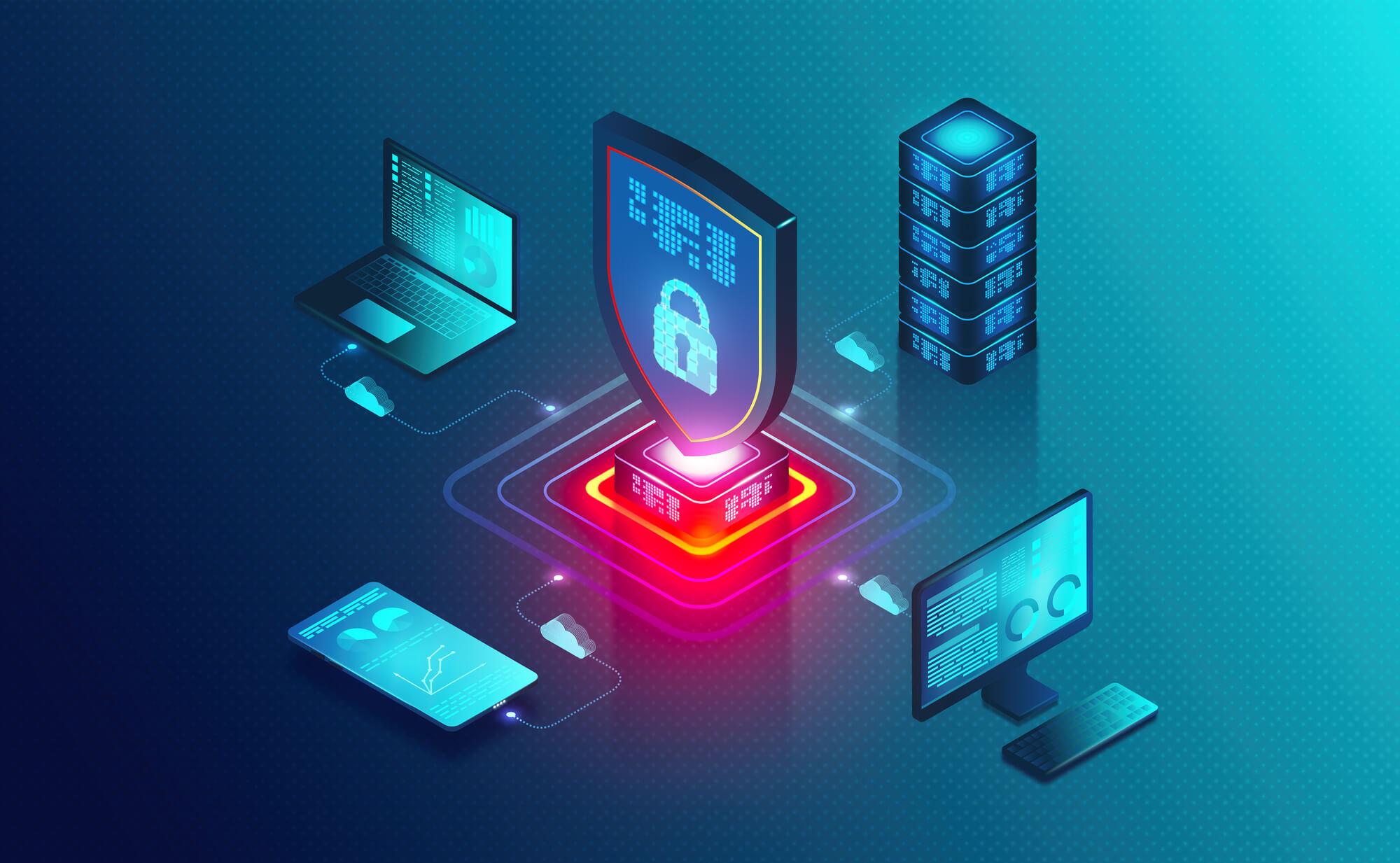
Before discussing defenses, it's important to name the risks. Identifying patterns will help you detect warning signs early and avoid losses.
- Phishing and impersonation: cloned pages, emails, or SMS messages that mimic exchanges or wallets and seek to steal credentials, private keys, or recovery phrases. Many of these messages include links to malicious downloads or hidden mining scripts. slow down your computer and monetize at the expense of your resources.
- Ponzi schemes: “opportunities” that promise impossible returns and they pay the former with the latter's money. When the flow of new entrants decreases, the house of cards collapses, and most lose.
- Pump and dump: Coordinated groups inflate the price of a low-cap token with hype on social media to sell at the highs, leaving others caught in the subsequent fall.
- Fake wallets and exchanges: clones of legitimate sites or fraudulent applications promoted with ads that install modified software to steal your seed or divert transactions to the attacker's addresses, and an example of a mobile threat is Android malware that steals wallets.
- Scam giveaways and airdrops: profiles that pose as projects or influencers offering free tokens in exchange for send crypto or personal data firstOnce you “participate,” they disappear with your funds or information.
- Cryptojacking: Pages or extensions that mine without permission using your CPU/GPU. Although they don't empty your wallet, They turn you into an attacker's resource and may be the tip of the iceberg of a compromised environment; there are also cases of Cryptocurrency malware on iOS and Android.
- ICO Frauds: hollow whitepapers, opaque teams and inflated promises that end in exit scamsDue diligence (team, audits, regulatory framework) is key before investing.
What can happen if you neglect custody: real cases that hurt

Ignoring security can lead to irreversible losses. The industry's history is full of lessons learned through hacking.
- Mt. Gox (2014): Then the largest Bitcoin exchange suffered an attack that wiped out around 850.000 BTCSome of it was later recovered, but the blow forever changed the perception of the risk of third-party custody.
- Slope Wallet (2022): More than 9.000 Solana wallets were emptied due to a vulnerability in the mobile app that leaked private keys to external services. The total impact was around 4,1 million.
- Coinhive and web miningIn 2017, it became popular to insert Monero mining scripts into sites without warning users. While they don't steal your coins, degrade device performance and reveal security flaws.
- BitConnect (2018): one of the biggest examples of Ponzi schemes in crypto. The project was exposed and thousands of investors suffered heavy losses.
The moral of the story is clear: if you don't control your keys, if you blindly trust unverified software or providers, or if you ignore basic practices, the risk skyrockets.
Essential best practices to protect your cryptocurrencies
Security doesn't have to be a headache if you establish a solid foundation. Small changes significantly increase your resistance to common attacks.
Strong and unique passwords
Use passwords of at least 16 characters with letters, numbers, and symbols . Do not reuse credentials across services, and use a reliable password manager to generate and store them encrypted.
Two-factor authentication (2FA)
Enable 2FA whenever possible. TOTP-based apps, such as Google Authenticator or equivalent, are preferable to SMS; you can also use Android as a security key . Some platforms allow biometrics as an additional layer of security.
Do not share seeds or private keys
Your recovery phrase is the master key. No legitimate person will ever ask for it via email, chat, or website. Avoid saving it in photos, notes, or screenshots; keep it offline and out of sight.
Check URLs and downloads
Access by typing the address manually or using trusted bookmarks. Be wary of search engine ads or links on social media. Download wallets only from official websites and verify signatures/verifications where appropriate.
Keep everything up to date
Your operating system, browser, extensions, wallet, and antivirus software must all be up to date. Updates fix known vulnerabilities that attackers routinely exploit.
Withdraw funds from the exchange
Exchanges concentrate capital and attract attacks. Once you buy, withdraw to your wallet under your control. This reduces your attack surface and dependence on a third party.
Check activity frequently
Activate alerts, audit permissions and activity, and monitor for any unusual access . Change credentials regularly and stay informed about incidents affecting the services you use.
Wallets, custody and cold storage
Choosing how to store assets is just as important as what to buy. The goal is to minimize exposure without sacrificing resilience.
Types of wallets: hot vs. cold
"Hot" wallets (mobile, desktop, extensions) are connected and more convenient to operate; "cold" wallets (hardware, paper, or isolated devices) keep keys offline and are ideal for large amounts or long-term savings.
Hardware wallets
Devices like Ledger, Trezor, or equivalent options store the private key in a secure environment that is never exposed to the internet. They require transaction confirmation on the device itself and add a PIN, optional passphrase, and protection against computer or mobile malware , as well as hardware technologies like TPM and fTPM.
Additional passphrase (the “25th word”)
Some wallets allow an extra passphrase over the seed phrase. Even if someone gets your seed phrase, the passphrase blocks access . Warning: if you forget it, there's no going back.
Self-custody vs. exchange
Managing your funds yourself gives you complete control but also brings greater responsibility. Entrusting your funds to a third party is convenient, but you depend on their security and compliance. Assess your profile and needs to choose the right approach.
Network and Device Security
Many attacks enter through the front door: poorly configured networks and neglected equipment. Strengthening the perimeter makes opportunistic intrusions more difficult.
Avoid public Wi-Fi for sensitive operations
On open networks, it's possible to intercept traffic or launch man-in-the-middle attacks . If you need to work outside your home, prioritize mobile data or a secure connection; also, learn how to avoid automatically connecting to public Wi-Fi networks.
Strengthen your home network
Change the router 's default password , enable WPA3/WPA2 encryption , disable SSID broadcasting , update the firmware, and use a strong password. Keep your firewall and antimalware software configured and up to date.
Quality VPN
A VPN encrypts traffic and reduces the risk of espionage or data injection. It's not a complete shield, but it adds a useful layer of privacy and protection on untrusted connections.
Dedicated device
If you handle significant capital, consider using a dedicated computer for crypto (no downloads or casual browsing). Reducing your attack surface minimizes errors and malware.
DeFi, DApps, and NFTs: Interact without exposing yourself
Decentralized operations offer freedom but also new attack vectors . Operational prudence (OpSec) makes all the difference.
Connect with your head
To test unfamiliar protocols, use empty addresses and keep your main account separate from the experimental one. Be wary of websites that ask for the seed phrase and carefully review the spending permissions you grant.
Audits and TVL
Having a project audited doesn't guarantee absolute safety, but it reduces risks if the auditor is reputable. It also assesses TVL (TVL), reputation, and community activity.
NFTs and minting
Some collections include malicious contracts. Mint from the official, verified website , using a segregated wallet and reviewing the transaction before signing.
Current threats
AI- assisted phishing , SIM swapping to hijack SMS/calls, and DeFi exploits continue to surge. Strengthen your authentication factors and limit your public footprint.
Backups, seed phrases, and recovery
If something goes wrong, you'll only have what you've prepared. A good backup plan is your parachute.
Encrypted and distributed backups
Make a copy of your seed in several secure physical locations (safe, bank deposit), preferably on durable media (metal or protected paper) and never in photos or unencrypted cloud storage.
Never enter the seed on a website
Legitimate extensions only ask for a seed phrase upon initial installation. If a website promptly requests one, it's likely a phishing attempt . Close any suspicious tabs and clear your cache before reinstalling from the official website.
Test your recovery
Periodically verify that you can restore your wallet with the seed phrase in a controlled environment . It's better to find a vulnerability now than in a real emergency.
Multi-signature, offline operations and advanced models
As wealth grows, it's wise to raise the bar. Multibranding and air-gapping add highly effective layers.
Multi-signature addresses
Configure, for example, a 2-of-3 scheme : two signatures required across three keys on different devices/locations. If you lose one, you can still operate with the other two; if an attacker obtains one, it's useless to them.
Offline transactions
Another option is to sign on a disconnected computer: you prepare the transaction on the online computer, transfer it via USB to the isolated computer for signing , and then transmit it again from the online computer. It's more laborious, but very secure.
Paper and brain wallets (with caution)
Paper wallets require a completely offline creation process . Brain wallets are risky: human memory fails, and predictable phrases are vulnerable to brute force.
Personal security, SMEs, and fintech: what recent incidents teach us
The risk is no longer just digital. Some criminals are resorting to physical coercion to force transfers. Discretion and access control are just as important as encryption.
- Personal security- Avoid displaying assets on social media, diversify storage (multisig in separate locations), store hardware wallets in safes, and consider home surveillance systems.
- SMEs and risk perception: Theft and fraud have led many businesses to be cautious with crypto. Mitigate by outlining clear custody policies, specific insurance and layered controls (technical and procedural).
- Lessons for fintech: operational anonymity of key personnel, supplier due diligence, combined audits (cyber and physical), continuous training against social engineering and emerging regulatory compliance.
By applying a sensible combination of these measures—unique passwords and 2FA, meticulous verification of URLs and downloads, withdrawals to wallets under your control , encrypted backups, cold storage, multi-signature authentication, and prudent DeFi trading—you can enjoy the autonomy of cryptocurrencies while realistically minimizing your attack surface. The key is to be consistent, wary of empty promises, and evolve your defenses as attackers' tactics change.


Passionate writer about the world of bytes and technology in general. I love sharing my knowledge through writing, and that's what I'll do on this blog, show you all the most interesting things about gadgets, software, hardware, tech trends, and more. My goal is to help you navigate the digital world in a simple and entertaining way.
Table of Contents
- 1 The most common security threats in the crypto ecosystem
- 2 What can happen if you neglect custody: real cases that hurt
- 3 Essential best practices to protect your cryptocurrencies
- 4 Wallets, custody and cold storage
- 5 Network and Device Security
- 6 DeFi, DApps, and NFTs: Interact without exposing yourself
- 7 Backups, seed phrases, and recovery
- 8 Multi-signature, offline operations and advanced models
- 9 Personal security, SMEs, and fintech: what recent incidents teach us