- Intel is planning a third revision of Raptor Lake compatible with the LGA1700 socket and DDR4/DDR5 memory.
- A new Core 200 series is expected with Core 3, 5 and 7 models optimized in frequencies and cores.
- The strategy seeks to take advantage of the stock of DDR4 memory, especially in HX range laptops.
- The launch is planned for the first quarter of 2027 alongside Nova Lake-S.

It seems Intel is in no hurry to retire its most popular architectures and has dropped a bombshell on its official website. The name Raptor Lake Next has appeared , making it clear that the Santa Clara giant is preparing to launch a third iteration of this processor family, demonstrating that it still has plenty of fuel left in the tank.
Looking back, we already had the original version and then the Refresh, which gave rise to the 13th and 14th generations. Although they represented a massive leap in power compared to the 12th generation, it wasn't all smooth sailing, as silicon degradation issues due to excessive voltages somewhat dampened the celebration. Now, Intel wants to play its cards again with a revision that promises stability.
Why does Intel insist on this architecture?
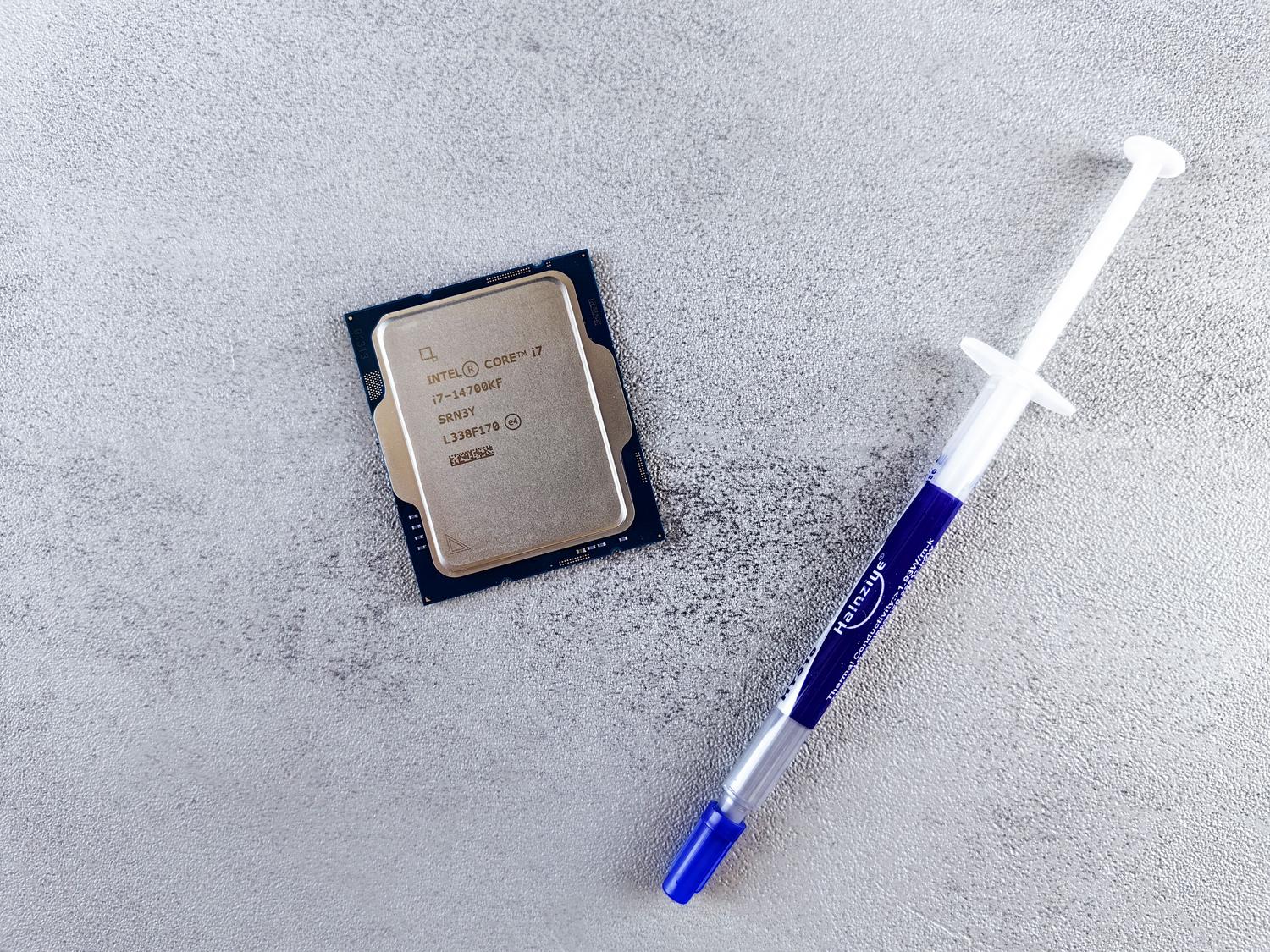
Look, it might sound strange that they want to keep squeezing the same amount out of the system, but it actually makes perfect sense. First, because the performance of top-of-the-line chips, like the i9-14900K, is still incredibly powerful and competes head-to-head with the best on the market. Furthermore, the fact that they support both DDR4 and DDR5 is a huge plus, especially now that the memory crisis has many people looking to save money.
Another key point is manufacturing. These processors use the Intel Node 7, a technology they have already mastered. This means that production is simple and cost-effective , allowing them to maintain competitive prices and ensure that the chips reach stores without logistical issues.
The enigma of the motherboard and the socket
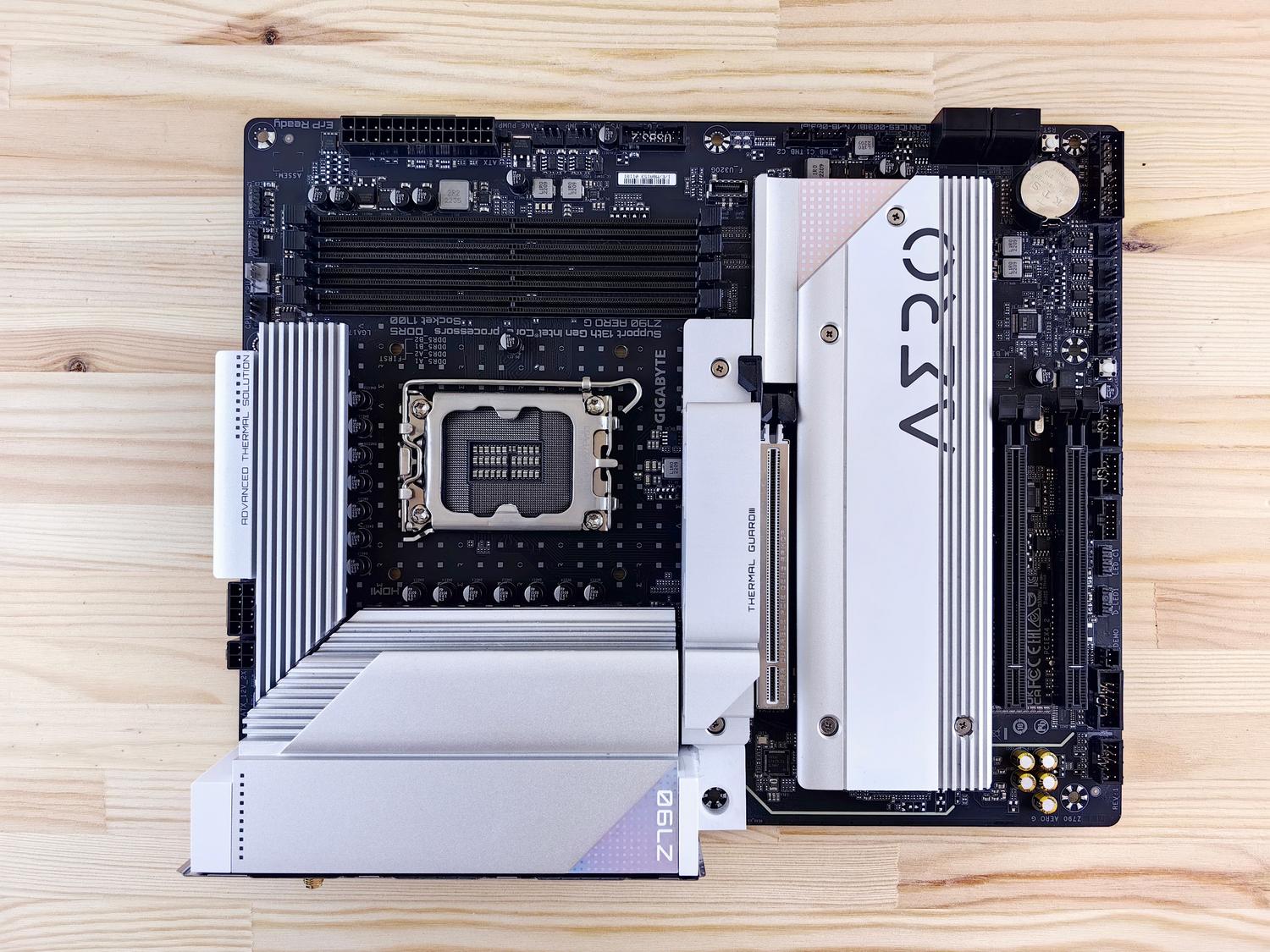
For those thinking about upgrading their PC, there's good news. Intel will most likely keep the LGA1700 socket . This would mean that, in theory, you could install these new processors on motherboards from the 600 and 700 series. In fact, some brands like Gigabyte have already started making moves with BIOS updates that point in that direction, although full support will always need to be confirmed.
Technical details and possible models
Let's not expect Intel to reinvent the wheel here. The most likely scenario is a minor revision that tweaks clock speeds and the number of P (performance) and E (efficiency) cores, while maintaining the core design. However, there's a remote possibility they might attempt a jump to a more modern node, although that would unnecessarily complicate things.
According to leaks, we could see up to seven different processors. Some of the details that have come to light are quite interesting:
- A model similar to the i5-14600K but improved, with 8 nuclei P y 8 nuclei E, 30MB of L3 cache and a TDP of 125W.
- A more balanced option with 8 nuclei P y 12 nuclei E, very similar to the Core i7-14700, consuming about 65W.
- More modest versions with 6+4 core configurations or even lower for basic ranges.
It's surprising that a direct successor to the i9-14900K hasn't been mentioned, but it seems Intel prefers to play with core combinations to fill gaps in the catalog that weren't covered in the 14th generation.
Strategy for laptops and the Core 200 series
Things get interesting when we talk about notebooks. Intel wants to revive Raptor Lake Next for laptops, possibly under the Intel Core 200 Series name . The goal is crystal clear: to leverage the accumulated stock of DDR4 and SODIMM memory to offer more affordable laptops and clear out that inventory.
These chips would arrive in the powerful HX variant, with configurations of up to 24 cores and 32 threads , consuming from a base of 55W to peaks of 150W. To avoid cannibalizing Arrow Lake-HX sales, Intel will implement a clear segmentation: the newer models will use faster DDR5 memory, while the Raptor Lake Next will use the cheaper DDR4 memory.
Launch schedule and product ranges
If everything goes according to plan, we could see these processors unveiled at CES and hitting the market in the first quarter of 2027 , possibly alongside Nova Lake-S. The range would be organized into three tiers: Core 7, Core 5, and Core 3. The Core 7 would be the most powerful with 8 P cores and 12 E cores, while the Core 3 would be the entry-level option with only 4 performance cores.
A brilliant technical detail would be the use of a larger L3 cache in some models, taking advantage of the resources of the clusters that are disabled to improve overall performance without changing the silicon.
This is a masterstroke in cost management, where Intel prioritizes stability and compatibility over technological revolution. By maintaining support for older memory and the LGA1700 socket, they offer an inexpensive upgrade path for the average user, while the company continues to profit from a cost-efficient and already amortized manufacturing node.

Passionate writer about the world of bytes and technology in general. I love sharing my knowledge through writing, and that's what I'll do on this blog, show you all the most interesting things about gadgets, software, hardware, tech trends, and more. My goal is to help you navigate the digital world in a simple and entertaining way.