- OpenAI presents Deep Research, a tool for conducting in-depth and detailed research through ChatGPT.
- The tool uses the o3 model, optimized for web browsing and data analysis, offering documented and well-founded responses.
- Deep Research is initially available for ChatGPT Pro users with a limit of 100 queries per month.
- OpenAI plans to expand access to other plans and add new features, despite current limitations such as errors in results.
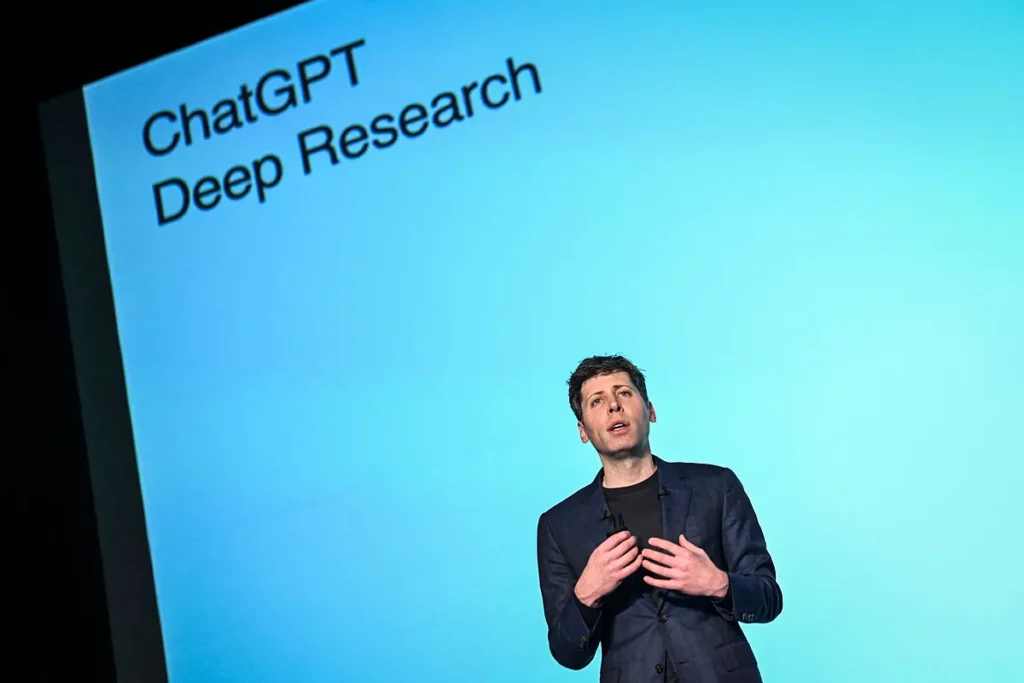
OpenAI has significantly altered the landscape of artificial intelligence with the launch of its new tool, Deep Research. This powerful "agent" offers the ability to conduct in-depth and detailed research across various fields, promising a revolutionary change in how online information is explored and analyzed.
Deep Research emerges as an extension of ChatGPT, but designed specifically to handle more complex tasks . Unlike the quick, summarized responses that characterized its predecessor, this tool focuses on providing well-founded and documented results after exploring multiple online sources of information.
Key Features of Deep Research

This new tool uses an optimized version of the o3 model, which is specifically designed for web browsing and data analysis . Thanks to this model, Deep Research can process enormous amounts of information, including images, text, and PDFs , to deliver in-depth reports.
The main features include:
- Generation of detailed reports including clear citations and references.
- Ability to interpret files and documents provided by users, such as spreadsheets.
- Interactive process, where the system adjusts its analysis based on new information during the investigation.
- Response time intervals vary between 5 and 30 minutes, depending on complexity.
Availability and requirements
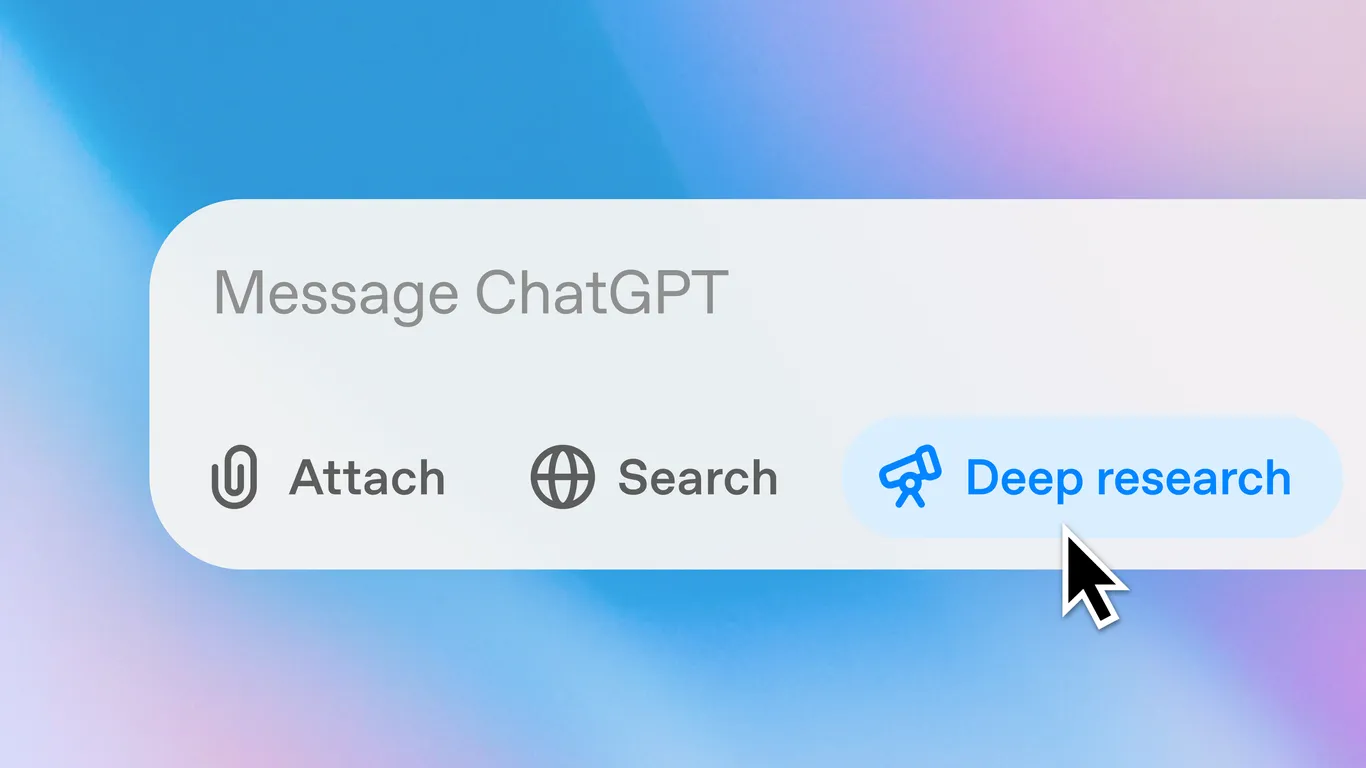
In its initial release, Deep Research is exclusively available to ChatGPT Pro users through a monthly subscription. For now, this version has a limit of 100 queries per month, making it a tool geared towards those who require constant or intensive research.
OpenAI has reported that in the future it plans to enable access to other plans such as Plus, Team and Enterprise, to increase the user base that can benefit from this technology. However, the tool is not yet available in some countries, including Spain.
Use cases and applications
Deep Research is designed to meet the needs of diverse sectors , from companies seeking to develop sales strategies to researchers in fields such as finance, science, and engineering. OpenAI also points to its usefulness for more everyday activities, such as research before purchasing a property or a new vehicle.
The system has been tested in several benchmarks, including "Humanity's Last Exam," where it achieved an accuracy of 26,6%, a figure higher than other artificial intelligence models. Despite this, the tool still faces challenges related to occasional errors in the information collected and in classifying reliable data.
Limitations and areas for improvement
Despite its progress, Deep Research still faces certain limitations. Among the most prominent problems are "AI hallucinations ," where the system can generate incorrect or inaccurate information. It can also struggle to distinguish reliable sources from rumors or imprecise data.
OpenAI is aware of these shortcomings and is working to improve the transparency and verifiability of its research. Each Deep Research result includes detailed references, but the company acknowledges that there is still room for improvement in the model.
With the introduction of Deep Research, OpenAI reaffirms its commitment to innovation in the field of artificial intelligence. This tool not only promises to facilitate complex tasks but also to expand the possibilities of online information analysis and synthesis. However, as with any emerging technology, the success of its implementation will depend on how users adopt and trust this constantly evolving solution.

Passionate writer about the world of bytes and technology in general. I love sharing my knowledge through writing, and that's what I'll do on this blog, show you all the most interesting things about gadgets, software, hardware, tech trends, and more. My goal is to help you navigate the digital world in a simple and entertaining way.