- Identify the type of corrosion and battery to apply the appropriate method.
- Use vinegar, lemon or baking soda to clean safely.
- Include preventive measures such as removing batteries from unused devices.
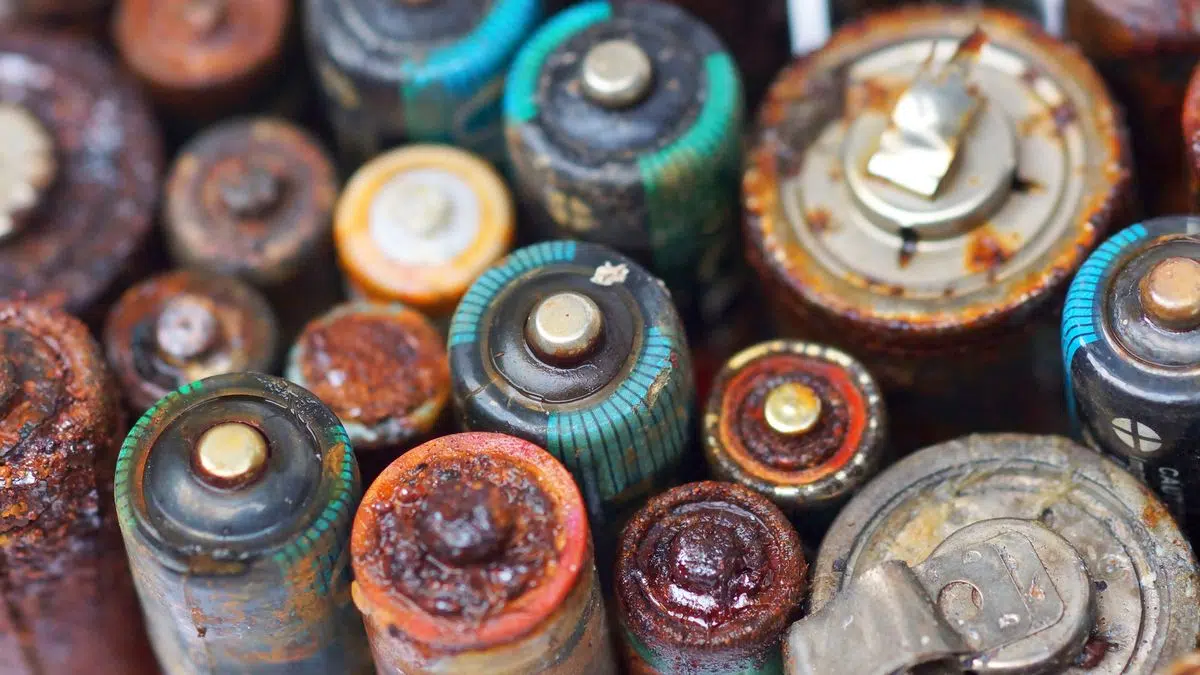
Rust on batteries and their compartments is a common problem that can affect the functioning of electronic devices . This problem often arises when batteries are left in a device for extended periods or exposed to humid conditions, causing corrosion that damages not only the batteries themselves but also the internal metal parts of the device.
Fortunately, there are effective methods to address this problem, and in this article, we'll delve into everything you need to know to properly clean rust from batteries and affected compartments. From the necessary materials to specific techniques, you'll find detailed information here to help you restore your devices to their original functionality.
Why do batteries rust?
Batteries, especially alkaline batteries, can release a substance known as potassium hydroxide due to internal leaks. Although commonly called "battery acid," it is actually a strong base whose crystals can accumulate on the metal contacts and compartments of the batteries. This occurs when batteries remain in a device for extended periods or are used under extreme conditions , such as high humidity and temperatures.
On the other hand, in the case of lead-acid batteries, such as those used in cars, the corrosion that appears is actually acidic and can seriously damage the terminals if not treated in time.
Precautions before starting
Before performing any cleaning, it is essential to take certain safety precautions to avoid the risk of contact with corrosive substances. Some important tips are:
- Use rubber gloves to protect your hands from direct contact with chemicals.
- Protect your eyes using safety glasses, especially if you are going to handle strong acids or bases.
- Choose a well-ventilated place to carry out the procedure, preferably outdoors.
- If possible, wear a mask to protect yourself from any toxic fumes, although alkaline batteries generally pose a low risk in this regard.
Materials needed to clean rust
Depending on the type of battery and the level of corrosion, you will need some of the following materials to perform an effective cleaning:
- Baking soda and distilled or drinking water.
- White vinegar or lemon juice.
- An old toothbrush or a brush with soft bristles.
- Paper towels or damp rags.
- Sandpaper in cases of severe corrosion.
- Optional: Dielectric grease to protect contacts after cleaning.
How to clean rust from alkaline batteries
To clean the rust generated by alkaline batteries, follow these steps :
- Inspect the compartment and carefully remove the affected batteries. Dispose of damaged batteries at an appropriate recycling point.
- Neutralize corrosion using white vinegar or lemon juice. Both contain mild acids that react effectively with the potassium hydroxide.
- Dip a cotton swab in the vinegar and wipe it over the corroded areas. If the buildup is severe, use a brush to loosen the residue.
- Once the corrosion has been removed, moisten a paper towel with water and wipe the area to remove any acid residue or dirt.
- Allow the compartment to dry completely before inserting new batteries.
How to clean lead-acid (car) batteries
The process for cleaning car batteries requires a different approach:
- Disconnect the battery cables, starting with the terminal negative.
- Prepare a paste by mixing baking soda with water. This will be useful to neutralize the accumulated acid.
- Apply the paste to the terminals and use a brush to remove corrosion.
- After cleaning the terminals, remove any residue with a damp towel and dry the entire surface thoroughly.
- To prevent future corrosion, apply a thin coat of dielectric grease before reconnecting the cables.
Additional Tips and Maintenance
Keeping your devices free from corrosion is key to extending their lifespan. Here are some extra tips:
- Periodically check the battery compartments to prevent rust buildup.
- Remove batteries from devices you do not use frequently.
- Use specific products to clean electrical terminals and contacts if corrosion is recurrent.
Cleaning corrosion from batteries and their contacts can not only restore your devices to working order, but also help reduce electronic waste by extending their lifespan. By following the methods described and taking the appropriate precautions , you can solve this problem safely and effectively.
