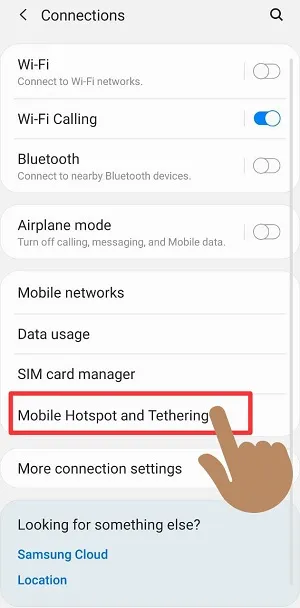
If you've ever wondered how to hide tethering on Android, you are in the right place. You can hide tethering on Android using a PdaNet+ utility. PdaNet+ is a utility that uses a shared cellular network connection. It presents a number of options that help you hide the use of your mobile phone. You will need a Mac or a PC with Windows with the debugging USB activated and the PdaNet+ desktop utility installed. Then, simply follow the on-screen instructions to install the application. After entering this system, you will be asked to allow USB mode and hide the use of your hotspot.
You can also use the PdaNet desktop application, which is available in the app store. Google Play. Once installed, it can enable USB mode on your mobile phone and hide the use of tethering. Another solution to hide tethering on Android is to get the free TrebleShot – File Share app and link two drives together. This can hide the truth that you are sharing file data. Make sure that each drive is linked before using the app.
Is there a solution to hide tethering?
You are probably wondering, “Is there a solution to hide Tethering on Android?” If yes, read this text to find out the answer. Primarily, tethering is the sharing of your mobile’s web reference with a laptop or another machine. It actually works by creating a non-public WiFi hotspot and sharing the reference with other units. It is important to note that some companies have restrictions for tethering, so make sure to check the positive impression before sharing your web connection.
Fortunately, there are several methods to do this. You can get a free hotspot program from the Android market or from a PC using a USB cable. PdaNet Desktop allows you to link two Android units without revealing the truth that you are using a hotspot. With this software program, you won't have to worry about the ISP knowing that you are using a hotspot.
Can VPN Hide Mobile Tethering?
In case you are wondering if you should use a VPN To hide cellular tethering on Android, the answer is sure. Tethering is an application that many community carriers and ISPs frown upon. However, there are a couple of methods that you should use to bypass this application and keep your personal browsing history. Below are some suggestions that can help you hide cellular tethering on Android.
Set up the PdaNet+ utility. To do this, you'll need an updated USB driver and the PdaNet desktop utility on your PC or Mac. Once the app is up, enable USB mode and hide tethering. Once it's done, you can remove the VPN and reinstall your machine. You can even use PdaNet to cover cellular tethering on Android.
How do mobile service providers detect tethering?
The first question to ask is how do mobile service providers detect tethering on Android units? The answer is not clear. Mobile providers take a look at the usage information and should assume you are tethering if it is higher than normal. Additionally, they might check the IP address of the machine. Mobile providers can also detect tethering on an Android machine via PDA Web, a system that means you can make secure funds using your mobile phone. PDA Web is available at iOS and Android.
The main methodology for detecting tethering is to investigate packets for TTL values. If you connect to the Web together with your Android machine, it makes use of a separate DUN. Mobile carrier routers will detect packets with completely different TTL values, as they have tables of preliminary expected TTL values. They will then calculate the interval until the delivery from which they are receiving site visits. Then, if the machine is connected, the carrier might send you a warning message.
What does using the concealed carry strap do?
If you have T-Cellular, you might be wondering how to hide your tethering usage. To prevent your ISP's management center from seeing your mobile phone, you can set up PdaNet+. It can be obtained for free from Google Play or PdaNet Desktop for Windows or Mac. To cover tethering on Android, it is essential to set up PdaNet+ on your mobile and connect it to your desktop or laptop computer via USB.
Fortunately, hiding tethering on mobile units is not too problematic for those using a iPhone. iPhones include native APN modifications that allow customers to bypass carrier detection. However, it is essential to first obtain permission from your mobile carrier to do so. root to your machine. Android phones are not usually that easy to root. If you don't want to root your phone, it is essential that you use a third-party utility. PdaNet+ is one such utility. However, it is worth the price: PdaNet+ is free until the end of the month.
How does PdaNet work?
If you want to hide tethering on Android, you might be wondering how PdaNet works. The service makes use of 5ghz WiFi direct by default, but you have to use it anonymously by enabling USB mode. Also, if you are associated with a community with a knowledge limit, your ISP might restrict your connection. That's where the VPN comes in. It hides your web visits from the community operator, to allow them to not restrict the use of your information.
In order for PdaNet to work properly, your Android phone must be in USB debugging mode. To do this, it is essential that you set up a small Windows Home utility. Next, configure PdaNet on your Android phone. This tool will work for many Verizon smartphones and tablets. Just make sure you allow USB debugging within the machine's settings. Finally, configure PdaNet on your Windows PC or Mac.
If you decide to use a VPN, you'll need to install it on both the sharing machine and the linked machine. You can even use PdaNet+ to turn your phone into a Wi-Fi hotspot, which doesn't require root access or a tethering plan. This methodology isn't really useful for Android users, as it's dangerous, but it might be your only option.
Do hotspots work with a VPN?
How do hotspots work with a VPN on Android? To start, make sure your Android phone is on Wi-Fi and you have the mobile hotspot option enabled. Next, enter your hotspot password and proxy hostname and port. Finally, hit Save to save many of your settings. Once the method is complete, you can share the VPN reference with other units. For Android, you first need to go to Settings > Top.
Hotspot Defend VPN for Android comes with a browser extension for Chrome and Firefox. This app connects to a VPN server while you launch a selected app, as an alternative to the entire connection. You can even select to disconnect from the hotspot when your machine goes to sleep. Additionally, the Android version of Hotspot Defend VPN means you can set the app to display personalized ads. Hotspot Defend uses an unspecified tunneling protocol as an alternative to PPTP.
To make use of this utility, you need to have root access. You can get it from Google Play. Otherwise, you should use Hotspot Defend VPN for Android without root access. This VPN app is designed to be quick and easy to use, so make sure to configure your machine's permissions when using it. It may cost more than a paid VPN, but the small price is worth it to avoid privacy hazards.
What is the best free VPN?
While free Android apps might also be suitable for light searching, they will leave you vulnerable to surveillance. They are also not designed to stop people from entering the downloads common to companies streamingInvesting in a paid VPN for Android is much safer and can protect your privacy. We have listed some of the best free VPNs below. Read on to find out which one is best for you.
ProtonVPN is the preferred choice. It doesn't have a knowledge limit, but it is restricted to medium speeds. It offers three seats, but you need to join in order to use it. You can even get a seven-day free trial. And unlike other apps, you won't see any ads in the app. So this feature is probably not the preferred one for you. However, if you're a savvy consumer, this app might fit your needs.
Opera VPN is another free option. It protects your information, but only works with the Opera browser. Netflix and other streaming companies operate through Opera's service. You must view content within the Opera browser in order to use it. And there's a catch. The free variations of these features are very slow. If you're concerned about privacy and security, consider a paid VPN as an alternative. You won't regret it!
To learn more, click here:

My name is Javier Chirinos and I am passionate about technology. Ever since I can remember, I have been interested in computers and video games, and that passion has turned into a job.
I have been publishing about technology and gadgets on the Internet for over 15 years, especially in mundobytes.com
I am also an expert in online marketing and communication and have knowledge in WordPress development.