- Clear definition of an extraction shooter: enter, loot and evacuate at the risk of losing your equipment.
- Overview of the genre: from Dark Zone and Tarkov to Hunt, DMZ, The Cycle and Marauders.
- Key new releases: Marathon is accessible, ARC Raiders is in third person, and games like Fairgame$ and Hyenas are also available.
- Expanding franchises: The Division with Resurgence and Heartland and the boost from major publishers like Krafton.

In recent months, a concept has crept into every conversation about video games : so-called "extraction shooters ." If you're coming from franchises like Halo or enjoy fighting in Destiny's PvP, you've probably experienced what many others have: curiosity, a desire for something new, and at the same time, doubts about what exactly this means. You're not alone; there are players who, given the current state of PvP in certain titles, are already looking impatiently at games like Marathon and openly asking what defines this subgenre and how it's actually played.
The label sounds recent, but we're not talking about something entirely new . The format's popularity has exploded over the last four years, and, unsurprisingly, all the major publishers want in on the action before it becomes a massive phenomenon, just like what happened with the battle royale boom fueled by PUBG, Fortnite , and Apex Legends. This isn't just talk: PUBG's developers, Krafton, have shared with their investors that extraction shooters will be the next big wave, and they already have Project BlackBudget underway , with the idea of a phased release on PC, consoles, and mobile. That said, by the time it arrives, the race might already be on.

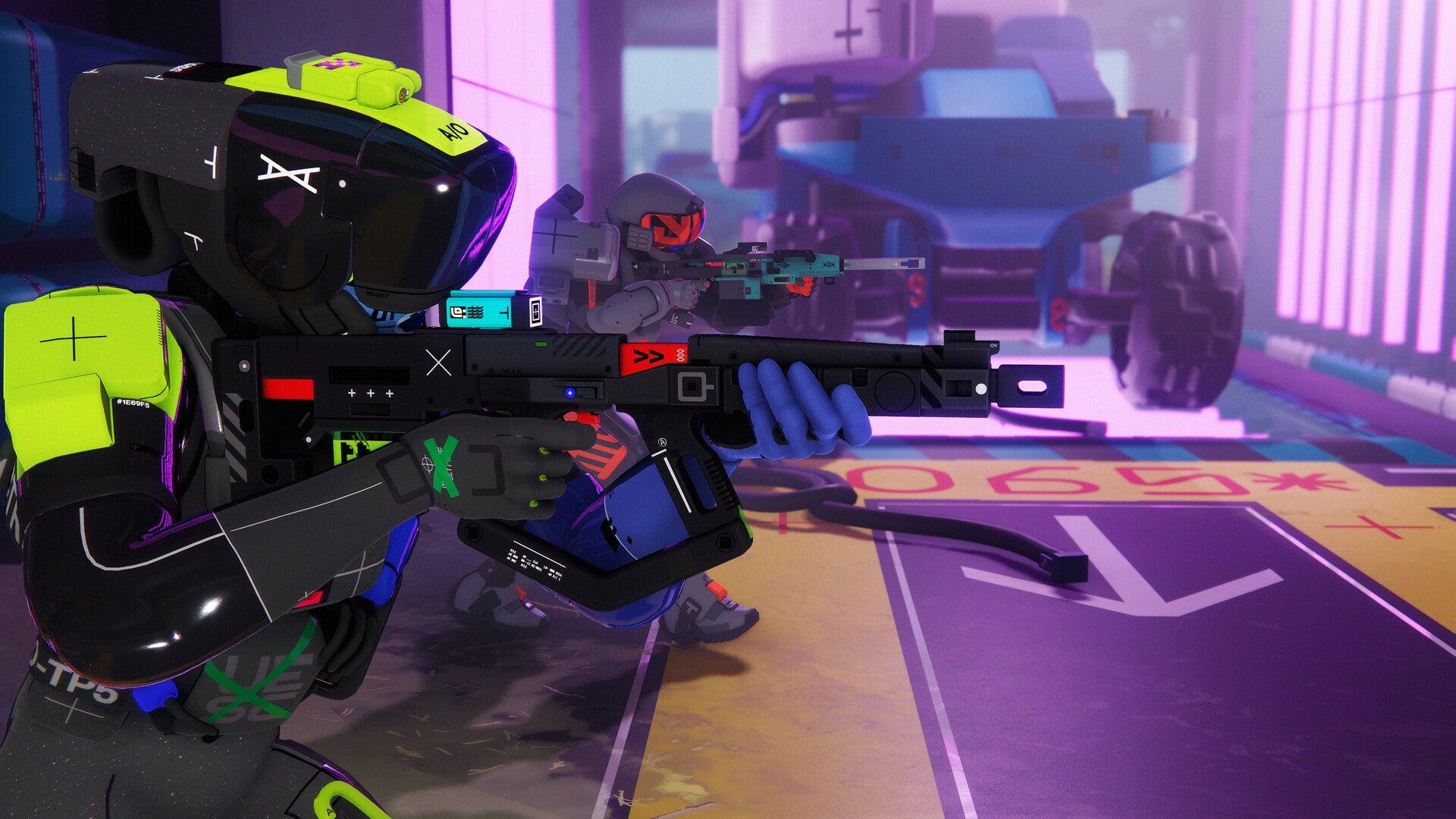
The short definition is literal: a competitive shooter where you enter a scenario to gather resources and escape alive . You can play in first or third person, solo or in squads, and the design philosophy always revolves around that tension between risk and reward: the more you expose yourself, the better the loot you get… if you manage to extract anything.
- The basic loopYou land on a map, loot as much equipment as you can, and head to one or more extraction zones to leave the game with the loot.
- Progression with the extracted: that which you manage to extract transfer to your inventory or persistent arsenals to improve your next raidwhether in the form of weapons, resources, or upgrades.
- Defeat has a price.If another player (or an environmental threat) eliminates you, You lose the equipment you were wearing permanently in that game, something that triggers adrenaline like few other genres.
- PvPvE CharacteristicIn addition to player-versus-player combat, the map includes enemies and hazards controlled by the IA that They offer variety and opportunities to cooperate or ambush others.
From there, each studio uses its own approach: some add tough survival elements, base management, realistic ballistics , or gentler penalties for beginners; others smooth the learning curve with assists, contracts, or rewards even if you fall in combat. You can play solo, in duos, or in trios, and always with the immense pull of that final extraction that determines whether your loot haul was worthwhile.
First steps and evolution of the subgenre
The exact origin of the concept isn't set in stone. Some point to Payday: The Heist for its idea of taking risks to get the biggest loot , even though it doesn't have PvP. If we stick to what defines the subgenre, one of the clearest precedents is Tom Clancy's The Division, specifically its legendary competitive space: the Dark Zone.
In the Dark Zone, you had to explore, take down AI enemies, and collect powerful gear , all under the constant threat of other agents who could kill you and steal your loot. Exits were marked, and extractions were hotbeds of memorable ambushes where that helicopter became your only lifeline.
Then came the format's biggest driving force: Escape from Tarkov. The Russian game took that premise and blended it with challenging survival, ballistic simulation, and base upgrades to fine-tune your progression. Released in alpha in 2017, it became a niche hit until, in 2019, streamers propelled it to the top of Twitch . From that point on, the subgenre was firmly established.
In 2018, Hunt: Showdown burst onto the scene with a brilliant twist: 12 players track clues to locate a monster, hunt it down, and escape with its head. Along the way, you risk being taken down by other players who will claim the prize. If you fall, you not only lose the game's loot, but you can also say goodbye to your character , although some of their experience counts towards progressing your account.
Among the big names, Activision integrated an extraction mode into Call of Duty : Warzone 2.0: DMZ challenges you to complete missions, collect weapons and items as the map gradually closes in. AI and other players are present, so every attempt to escape to the extraction zone is a nail-biter.
The catalog doesn't end there. The Cycle: Frontier took the formula to an alien planet with high-flying adventures, and Marauders opted for a space-raid fantasy with a premise very similar to Tarkov's, but set in outer space. All of them have refined a mold that we now recognize at a glance.
The near future of the extraction shooter
What's coming up also looks promising. At the latest PlayStation showcase , two games with a strong focus on extraction were unveiled: Marathon, Bungie's return , and Fairgame$, Haven's competitive heist game. Meanwhile, Creative Assembly presented Hyenas, where shootouts take place in zero gravity and the loot is pure pop culture: from classic consoles to keychains and iconic puzzles.
Embark Studios, the team behind the visually stunning THE FINALS, is also in the running with ARC Raiders. Developed by veterans with extensive experience in Battlefield , this title embraces a third-person perspective, boasts a high level of realism, and is set on a future Earth dominated by machines. Your objective: gather parts, scrap, and resources —many from colossal robots —and escape with the loot.
On the mobile side, Ubisoft hasn't forgotten its most extractive pillar: The Division: Resurgence will bring the Dark Zone to smartphones with 20-minute matches focused on risk and evacuation . And on consoles, The Division Heartland fully embraces the formula: a survival game with PvP and PvE in day-night cycles that sets clear rhythms for gathering resources, purifying water, and resisting the threats that gradually colonize the map.
ARC Raiders: pace, map and extraction
Embark has released the launch trailer and announced the game's release date: October 30th for PC, PlayStation 5 , and Xbox Series X/S. It's not free-to-play: it's a premium title with several editions available for those who want extra content from day one. The video summary combines cinematic scenes with actual gameplay and clearly establishes the game's tone: industrial ruins, gloomy skies, and plenty of flying metal.
The action takes place in the Rust Belt, a region where ARC vehicles roam while what remains of humanity ekes out a living in underground communities. Out there, loot is scarce and death comes unexpectedly, so every foray is a struggle through mud to scavenge for supplies and get out of there fast before you get crushed.
In terms of gameplay, ARC Raiders is a third-person PvP game that you can play solo, in pairs, or in teams of three . Matches are structured: around 30 minutes to gather resources, survive robots or other raiders, and reach a safe location to extract your loot. Close-quarters combat and last-minute betrayals are common.
Those who have tried it agree that the character's weight, movement, and shooting feel are far above average, which is no surprise given the team behind it. The game's craftsmanship is evident in its mechanics, the pacing of the combat, and how it forces you to make decisions under pressure.
The project already boasts an active social base. There's a dedicated ARC Raiders community focused on this multiplayer extraction adventure set on a future Earth ravaged by the mechanized threat of the ARC, with its usual information and up-to-date member sections.
Bungie's Marathon: what it brings and why there's so much hype
Bungie raised eyebrows again on April 12th with its new project: Marathon, slated for release in 2025, is a high-stakes extraction shooter . The community is eagerly anticipating it, yet cautiously: they trust a studio that has mastered the genre like few others, but there are fears that the genre could be unforgiving to newcomers if it takes a hardcore approach.
The study highlighted two clear differences compared to other proposals. The first is its futuristic, cyberpunk-tinged setting on a remote planet where, suddenly, everyone has disappeared. This premise suggests a strong narrative drive and a mystery that unfolds through a series of incursions.
The second key aspect concerns accessibility: Bungie wants to break down the entry barrier to the subgenre . They've acknowledged that extraction shooters tend to be rather challenging for new players, so their approach will focus on more intuitive gameplay, easy to learn without sacrificing depth in the medium and long term.
This balance between accessible design and a high skill ceiling also addresses the needs of many players coming from other PvP games who seek a tense risk-reward experience without being immediately overwhelmed . With Bungie at the helm, shooting and movement have a significant advantage.
Three exponents who set the tone
Escape from Tarkov
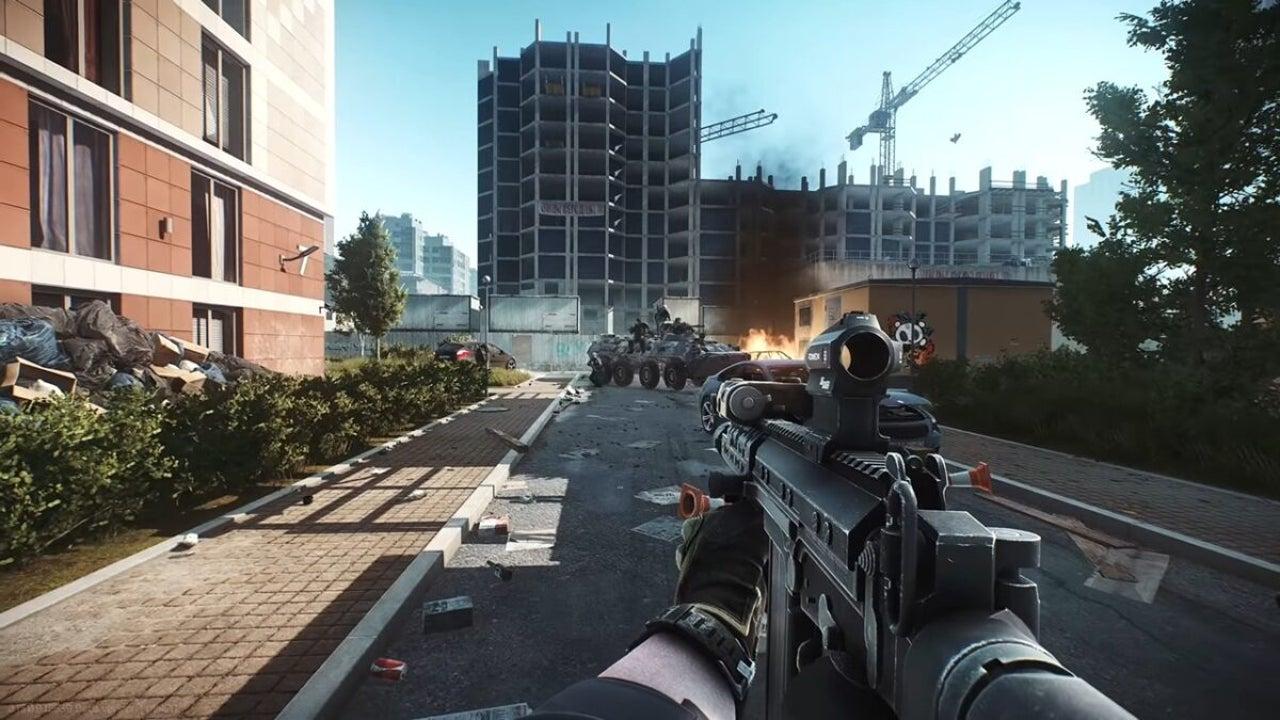
For many, it's the benchmark. Escape from Tarkov has defined the standard for what a hardcore extraction shooter should be: realistic ballistics, meticulous inventory management, healing and injuries with real consequences, and a harshness that doesn't forgive mistakes. It's brilliant, but it's also one of the least accessible if you don't have the time to dedicate to it properly.
Hunt: Showdown
If you're looking for something gentler to start with, Hunt: Showdown is a great entry point . Its matches revolve around bosses scattered across the map, with a strong emphasis on PvE and a constant threat of PvP. The game boasts meticulous attention to detail in its atmosphere and sound design, and presents a unique identity that feels wonderful in a market saturated with military games.
Forever Winter
At the other extreme, Forever Winter is synonymous with pure challenge . A dark science fiction world teeming with overwhelming threats forces you to carefully consider every move and, often, to run for your life. If tactical suffering and that delicious anxiety of pushing yourself to the limit are your thing, this is for you.
The extractive side of The Division: Resurgence and Heartland
Ubisoft has successfully exploited the most intense aspect of its franchise. On mobile, The Division: Resurgence brings the Dark Zone to life with 20-minute matches that condense all the drama of extraction: avoiding rival players, dispatching AI, and evacuating in time to save the loot.
On PC and consoles, The Division Heartland fully embraces this format : matches that compress a full in-game day, with a morning of gathering and resource management (including water purification) and a night spent surviving AI, other teams, and toxic zones that grow across the map. The reward is sent back to your base if you manage to escape alive.
DMZ in Warzone 2.0: The extraction piece in a free-to-play behemoth
DMZ has served as a massive entry point to the concept for millions of Call of Duty players. Completing missions, exfiltrating with weapons and keys, and surviving the map's closure while deciding whether to push forward or cut losses defines a mode with surprises and ups and downs, but perfect for understanding the risk-reward dynamics of the subgenre.
What makes Hyenas, Fairgame$ and other proposals unique
In the fight to stand out, some games are focusing on the setting. Hyenas introduces zero-gravity combat and elevates pop culture loot to the forefront for a fun and irreverent twist. Fairgame$ flirts with the same territory of stylized heists and flashy extractions as competitive spectacle.
Others, like THE FINALS, are not typical extraction shooters, but they flirt with their rhythms and high-risk decisions, which explains why so many competitive experiences already incorporate extraction systems or persistent loot as an extra layer of tension.
Why is this subgenre so captivating?
The short answer: sustained tension and decisions with consequences . Every minute counts and every shot matters because you're risking more than just points on the screen; you're risking your equipment for the next heist. That psychology is addictive: the loot is the carrot, and the possibility of losing everything is the stick. Few games keep you on that edge so consistently.
It also helps that the sessions are self-contained stories : you land, set up your plan, improvise when things go wrong, and push towards the exfil, where everything can be decided. The existence of harder and easier variations opens the door to different audiences and allows each player to find their preferred level of challenge.
With so many players entering the fray, the litmus test will be the same as with any multiplayer trend: only a few will reap the long-term rewards. Recent battle royale history illustrates this well: there will be room for giants, boutique offerings, and unexpected discoveries that catch the market off guard.
Given the trajectory from The Division's Dark Zone to Tarkov's rise, Hunt's charisma, the arrival of DMZ, and what ARC Raiders, Marathon, Fairgame$, and Hyenas are offering, it's no surprise that extraction shooters sound like "the next big thing ." The mix of cooperation, occasional betrayal, survival, and persistent loot has all the ingredients to continue growing in the years to come.
Table of Contents
- 1 First steps and evolution of the subgenre
- 2 The near future of the extraction shooter
- 3 ARC Raiders: pace, map and extraction
- 4 Bungie's Marathon: what it brings and why there's so much hype
- 5 Three exponents who set the tone
- 6 The extractive side of The Division: Resurgence and Heartland
- 7 DMZ in Warzone 2.0: The extraction piece in a free-to-play behemoth
- 8 What makes Hyenas, Fairgame$ and other proposals unique
- 9 Why is this subgenre so captivating?
