- Discover all the methods for writing Symbols and special characters in Windows using the Alt key, keyboard combinations and system utilities.
- Access comprehensive tables of Alt codes, learn little-known shortcuts, and explore useful alternatives like the on-screen keyboard and character map.
- Learn to use emojis and special fonts, change your keyboard language, and explore external tools to copy and paste complex or difficult-to-access symbols.
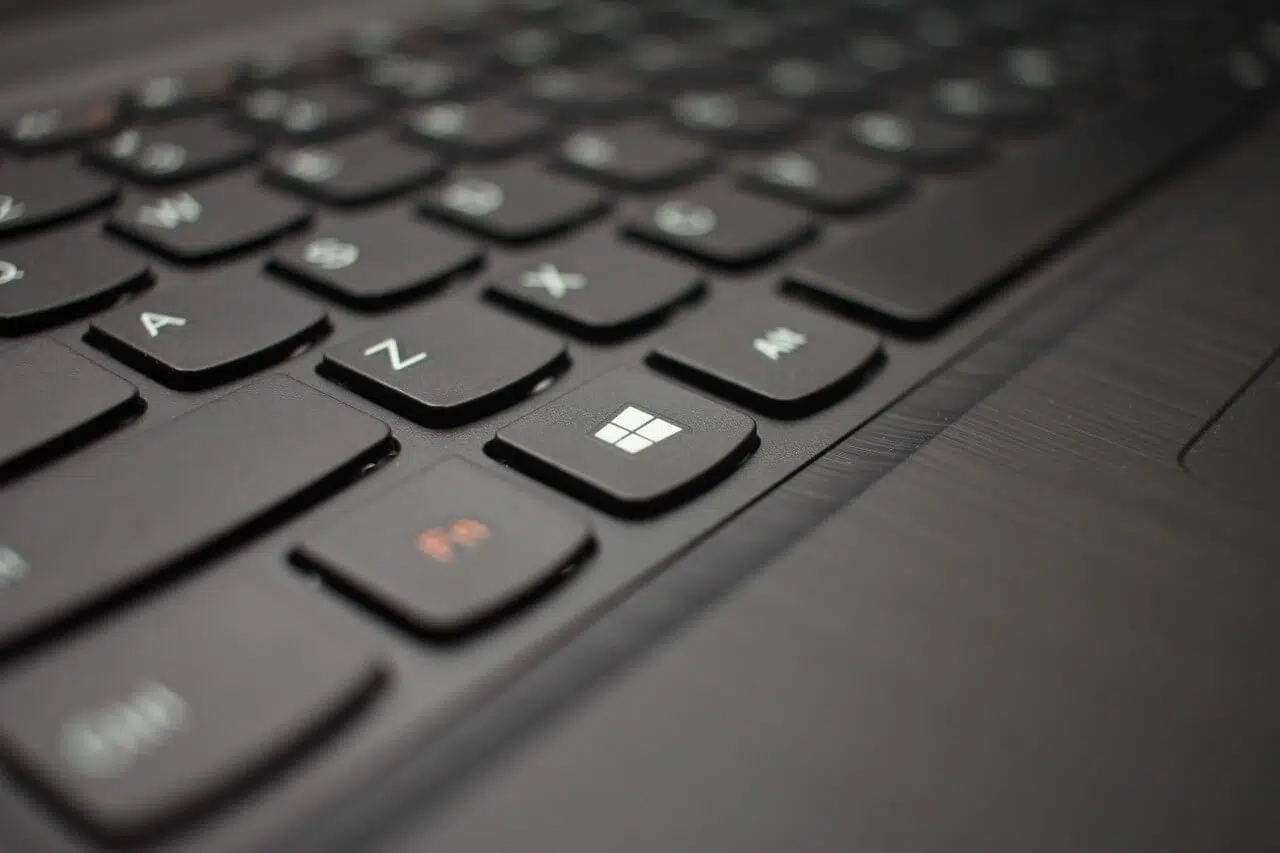
The Alt key is the gateway to hundreds of characters and symbols that don't appear directly on the standard keyboard . Thanks to a series of combinations, especially with the numeric keypad, it's possible to insert mathematical symbols, accented letters from other languages, arrows, currency symbols, emojis, diacritics, Greek letters, copyright symbols, registration marks, or even characters that only exist in the digital world.
This function is extremely useful for those who work in technical writing, as well as for students, programmers, designers, social media users, or anyone who wants to improve the presentation of a text with symbols that don't appear even when using Shift or Alt Gr. Furthermore, knowing how to access these tricks can be a lifesaver if you have a physical problem with your keyboard keys (for example, if a specific key breaks), since the Alt combination allows you to type any special character if you know its code.
Basic Operation: How to Type a Special Character Using Alt and the Numeric Keypad
The mechanics are simple, but it is essential to follow them correctly for it to work:
- Activate the numeric keypad (If your keyboard has one, make sure the Num Lock light is on.)
- Hold down the Alt key.
- While holding Alt, type the number sequence of the desired symbol using only the numeric keypad (numbers above letters on standard keyboards don't usually work for this).
- Release the Alt key and the symbol will automatically appear where you are typing.
For example: To type the euro symbol (€), hold down Alt and type 0128 on the numeric keypad, then release Alt and the symbol will appear. It's that simple.

Complete tables of Alt codes for Windows: symbols, letters, currencies, math, and more

Below you'll find detailed tables with the most useful and widespread Alt codes, organized by category , so you can easily look up and copy the code for each character you need, no matter what you're going to use it for.
Alt Code Table for Emojis and Simple Graphic Symbols
- Alt + 1: ☺
- Alt + 2: ☻
- Alt + 3: ♥
- Alt + 4: ♦
- Alt + 5: ♣
- Alt + 6: ♠
- Alt + 7: •
- Alt + 8: ◘
- Alt + 9: ○
- Alt + 10: ◙
- Alt + 11: ♂
- Alt + 12: ♀
- Alt + 13: ♪
- Alt + 14: ♫
- Alt + 15: ☼
- Alt + 16: ►
- Alt + 17: ◄
- Alt + 18: ↕
- Alt + 19: ‼
- Alt + 20: ¶
- Alt + 21: §
- Alt + 22: ▬
- Alt + 23: ↨
- Alt + 24: ↑
- Alt + 25: ↓
- Alt + 26: →
- Alt + 27: ←
- Alt + 28: ∟
- Alt + 29: ↔
- Alt + 30: ▲
- Alt + 31: ▼
Alt Code Table for Common Letters, Numbers, and Symbols
- Alt+32:
- Alt + 33: !
- Alt + 34: «
- Alt + 35: #
- Alt + 36: $
- Alt + 37: %
- Alt + 38: &
- Alt + 39: '
- Alt + 40: (
- Alt + 41: )
- Alt + 42: *
- Alt + 43: +
- Alt + 44: ,
- Alt + 45: –
- Alt + 46: .
- Alt + 47: /
- Alt + 48 to Alt + 57: numbers 0 to 9
- Alt + 58: :
- Alt + 59: ;
- Alt + 60:
- Alt + 61: =
- Alt + 62: >
- Alt + 63: ?
- Alt+64: @
- Alt + 65 to Alt + 90: Capital letters (AZ)
- Alt + 97 to Alt + 122: lowercase letters (az)
- Alt+91:
- Alt + 94: ^
- Alt + 95: _
- Alt + 96: `
- Alt + 123: {
- Alt + 124: |
- Alt + 125: }
- Alt + 126: ~
Alt Code Table for International Currencies and Characters
- Alt + 127: ⌂
- Alt + 155: ¢
- Alt + 156: £
- Alt + 157: ¥
- Alt + 158: ₧
- Alt + 159: ƒ
- Alt + 164: ñ
- Alt + 165: Ñ
- Alt + 166: ª
- Alt + 167: º
- Alt + 168:
- Alt + 169: ®
- Alt + 170: ¬
- Alt + 171: ½
- Alt + 172: ¼
- Alt + 173:
- Alt + 174: «
- Alt + 175: »
- Alt + 0128: €
Alt Code Table for Mathematical Symbols and Other Technical Characters
- Alt + 224: α
- Alt + 225: ß
- Alt + 226: Γ
- Alt + 227: π
- Alt + 228: Σ
- Alt + 229: σ
- Alt + 230: µ
- Alt + 231: τ
- Alt + 248: °
- Alt + 241: ±
- Alt + 242: ≥
- Alt + 243: ≤
- Alt + 247: ≈
Additional keyboard shortcuts for typing symbols without using Alt
On Spanish keyboards (and some other layouts), many symbols can be typed using key combinations like Alt Gr and Shift . Knowing these combinations saves you time and is sometimes more convenient than using the Alt code.
- Alt Gr + 2: @
- Alt Gr + E: €
- Alt Gr + 3: #
- Alt Gr + 5: € on some keyboards
- Alt Gr + Q/W/E: Special symbols may appear depending on the regional settings
- Shift+1: !
- Shift+2: "
- Shift + 3: ·
- Shift + 4: $
- Shift + ': ?
- Shift + ¡: ¿
- Shift + .: :
- Shift + ,: ;
The key is to look at the silkscreen on each key : if you see a small symbol in the bottom right corner, it's usually accessed with Alt Gr; if it's at the top, it's with Shift.
How to type special characters and symbols if a key is broken or the keyboard is not working
If a key on your keyboard (such as Alt, Shift, or Alt Gr) isn't working, there are alternatives for typing special characters :
- Windows On-Screen KeyboardYou can enable the virtual keyboard from Settings –> Accessibility –> Keyboard –> Enable “Use On-Screen Keyboard.” You can also activate it with the Windows + Ctrl + O combination. This allows you to click on any symbol with the mouse.
- Characters map: Go to Start –> Programs –> Accessories –> Character Map (or type “charmap” in search). Select the desired symbol, click “Select” and “Copy,” and paste it wherever you need it.
Both options are especially useful when you need to type symbols and the physical keyboard is unresponsive , and you can also copy and paste any character you can't get with the usual methods.
How to type emojis in Windows: built-in methods and external options
The arrival of Windows 10 and 11 has brought with it new ways to add emojis throughout the operating system, whether in social networks, chats, documents, or file and folder names :
- Win + . or Win + ; combination: Press the Windows logo key and the period or semicolon at the same time. A pop-up window will appear with all the emojis categorized by category (faces, animals, symbols, food, etc.). Click on the emoji you want and it will be inserted into your text.
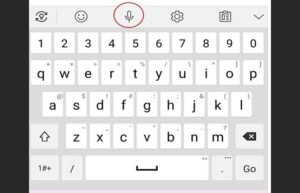
- Touch keyboard: Right-click on the taskbar and activate the Windows touch keyboard. There you will find the emoticons.
- You can also copy emojis from specialized websites such as Piliapp, Messletters, Alt-Codes, Copypastecharacter or EmojiKeyboard. Just click on the emoji and then paste it wherever you need it. These websites offer emojis and symbols for social media, email, WhatsApp and even for Windows file and folder names.
Special fonts and symbols in Word, PowerPoint, and other applications
Windows includes fonts that turn each key into a special symbol, which is useful for quickly inserting icons into documents :
- Fonts like Webdings, Wingdings 1, 2 and 3 are available in the font selection menu Word, PowerPoint, and other Microsoft office programs. Change the font and type any letter to see the associated symbol.
- In addition to graphic symbols, you can copy and paste these icons into emails, presentations, or any other document, although their compatibility outside the Microsoft ecosystem is not always guaranteed.

Change the keyboard language and switch between different layouts
If your keyboard is set to another language or you want to access different symbols, you can easily add other layouts from Settings :
- Go to Settings –> Time & language –> Language.
- Select your preferred language and click Options to “Add a keyboard” in that language.
- To quickly switch between languages, use the Alt + Shift combination.
Entering Greek letters and other symbols using hexadecimal codes
In addition to standard decimal numbers, Windows allows you to insert Unicode characters using hexadecimal codes after a minor registry configuration . This method is little known but very useful for accessing even more unusual symbols, such as Greek letters or advanced mathematical symbols.
- Open “regedit” (Run –> Win + R –> type “regedit”).
- Navigate to the path HKEY_CURRENT_USER\Control Panel\Input Method
- Add a new string called EnableHexNumpad and set it to 1.
- Log out and restart your computer.
From here, you can hold down Alt and type “+” followed by the Unicode hexadecimal code of the symbol you are looking for (for example, Alt +03BA generates “κ”, lowercase Greek kappa).
Note: This method only works in Unicode-compatible applications and not everywhere, but it's ideal for advanced users who need symbols for math, physics, music, or uncommon languages.
What to do if you can't find the symbol you need? Useful alternatives
If after reviewing the tables and methods above you still cannot locate the symbol you are looking for, there are other very simple ways to find it :
- Use symbol and emoji collection websites such as Piliapp, Alt-Codes, Copypastecharacter, EmojiKeyboard, Messletters, etc. Simply search for the symbol, click on it, and copy it.
- Search the Windows Character Map (Charmap). It offers advanced searching, font filtering, copying multiple symbols in a row, and Unicode support.
- Copy from messages on social networks, WhatsApp web, Telegram web, or other applications that include the symbol (you can open a conversation with yourself to copy and paste the desired emoji or symbol).

Remember that these methods allow you to go beyond the physical keyboard and open the door to an almost infinite universe of symbols and special characters.
Essential Windows keyboard shortcuts to speed up your workflow
In addition to Alt codes and symbol combinations, Windows includes a wide range of shortcuts that speed up navigation and text editing . Some of the most useful are:
- Ctrl + C: Copy
- Ctrl + V: Paste
- Ctrl + X: Cut
- Ctrl + Z: Undo
- Ctrl + A: Select all
- Ctrl + N: New document
- Ctrl + P: Print
- Alt + F4: Close program
- Windows +.: Emoji Picker
- Windows + R: Run
- Windows + D: Show/Hide Desktop
- Windows + E: Open File Explorer
- Windows + I: Open Settings
- Alt + Tab: Window switcher
These shortcuts not only help you type symbols quickly, but they also make your daily life much more efficient . Memorizing the main ones can save you a huge amount of time.
Write symbols and emojis in file and folder names
Windows 10 and 11 allow you to add emojis (although not just any symbol) to file and folder names to personalize them and make them easier to locate.
- Select the file or folder and press F2 to rename
- Press the Windows + . combination to open the emoji selector and choose the one you prefer.
- The emoji will appear next to the name of the file or folder, giving it an original touch.
Not all symbols or combinations work as file names (certain symbols are prohibited by the operating system), but emojis are usually fully compatible and are very visually appealing.
Recommended external tools and applications for copying and pasting symbols and emojis
If you're someone who frequently uses complex symbols or lots of emojis, there are apps and extensions designed to make your life easier :
- WinMoji: A free tool that allows you to easily search and copy emojis for use in any Windows application, similar to the native selector but much more visual and advanced.
- Emoji Sidebar (Chrome extension): Add a sidebar to your browser with hundreds of emojis ready to copy with a single click.
- Microsoft Store: From the official app store, you can search for apps with more catalogs of symbols, fonts, and emojis to download for free.

Passionate writer about the world of bytes and technology in general. I love sharing my knowledge through writing, and that's what I'll do on this blog, show you all the most interesting things about gadgets, software, hardware, tech trends, and more. My goal is to help you navigate the digital world in a simple and entertaining way.
Table of Contents
- 1 Basic Operation: How to Type a Special Character Using Alt and the Numeric Keypad
- 2 Complete tables of Alt codes for Windows: symbols, letters, currencies, math, and more
- 3 Additional keyboard shortcuts for typing symbols without using Alt
- 4 How to type special characters and symbols if a key is broken or the keyboard is not working
- 5 How to type emojis in Windows: built-in methods and external options
- 6 Special fonts and symbols in Word, PowerPoint, and other applications
- 7 Change the keyboard language and switch between different layouts
- 8 Entering Greek letters and other symbols using hexadecimal codes
- 9 What to do if you can't find the symbol you need? Useful alternatives
- 10 Essential Windows keyboard shortcuts to speed up your workflow
- 11 Write symbols and emojis in file and folder names
- 12 Recommended external tools and applications for copying and pasting symbols and emojis