- License management is essential for controlling costs, avoiding penalties, and maintaining legal compliance.
- The best tools combine centralized inventory, usage analysis, and renewal automation.
- There are enterprise SAM solutions and SaaS platforms focused on optimizing spending.
- Choosing the right manager depends on the size and complexity of the environment and the licensing model used.
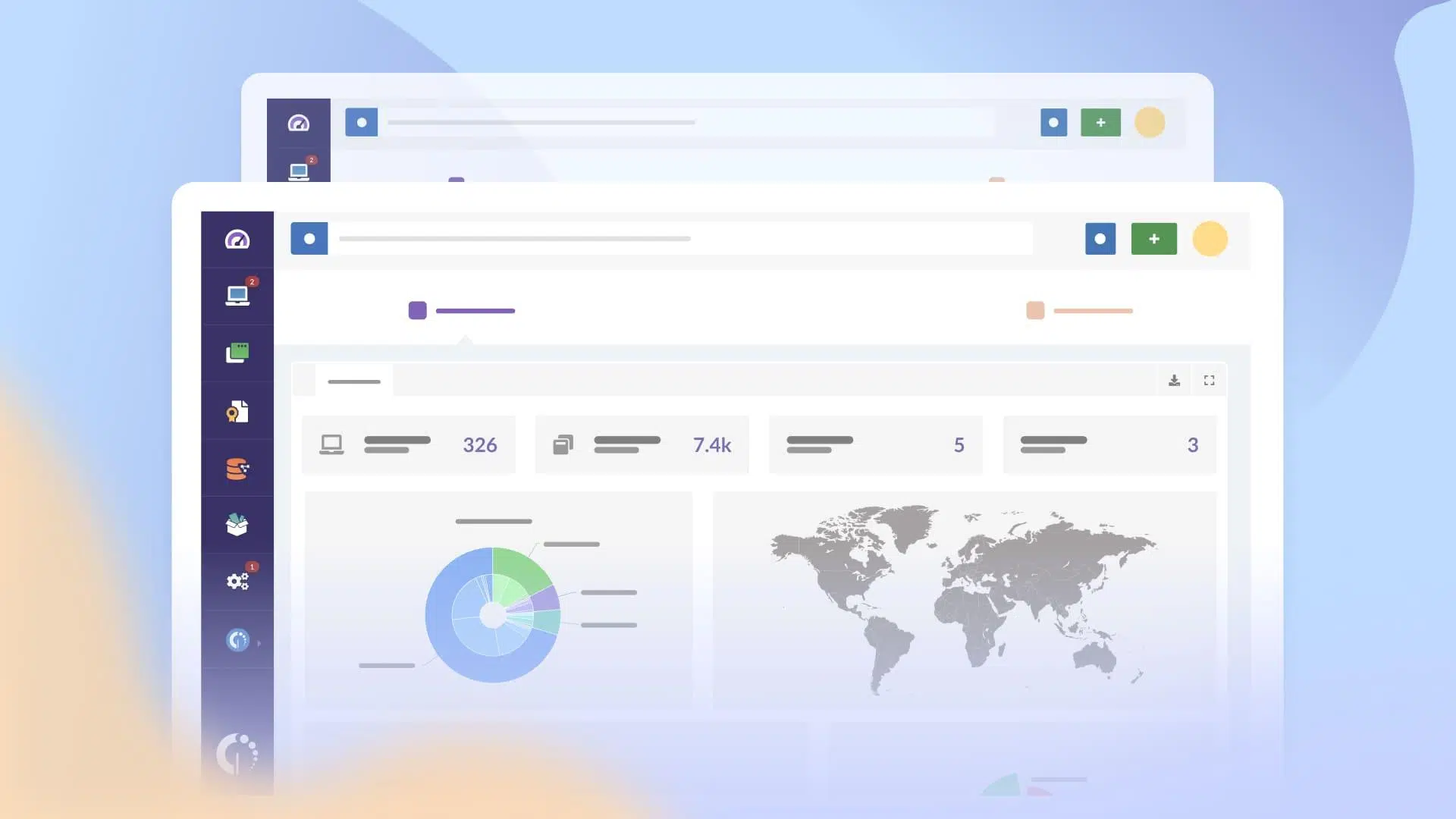
A good license manager lets you see at a glance what you're using, how much you're paying, and what risks you're taking . It also automates tedious tasks (internal audits, renewals, license reassignments, etc.), reduces the waste of underutilized subscriptions, and prepares you for any vendor audit without any surprises.
What is software license management and why is it so important?
When we talk about Software License Management (SLM), we're referring to the process of registering, monitoring, and documenting all the licenses used by an organization: who can use what, under what conditions, for how long, and with what restrictions. It's typically part of a broader Software Asset Management (SAM) strategy.
Every program you install comes with an associated contract or license (EULA or other agreements) that defines what is and isn't allowed : number of users, authorized devices, usage limits, environment (cloud, on-premises, hybrid), downgrade rights, secondary use, etc. Violating these conditions can result in serious financial penalties or litigation with the manufacturers. To better understand the risks of not reviewing these contracts, see " Accepting licenses without reading them ."
Today, a multitude of models coexist: perpetual licenses, subscription-based licenses, per-user licenses, per-device licenses , concurrent licenses, consumption-based licenses, pure SaaS licenses, hardware keys, dongles, hybrid models… Each type is measured and controlled differently, and that's where a solid SLM system prevents you from losing track.
From the vendors' perspective, a well-implemented licensing strategy serves to protect intellectual property and ensure recurring revenue . For user companies, the key is to avoid overpaying, maintain compliance, and align software spending with the actual value it brings to the business; also, remember how software became a product and why that changed licensing models.
A brief evolution of license management: from dongles to SaaS
The history of these systems begins in the 80s, when floating licenses, which allowed multiple users to share a common pool, began to expand . In contrast to the "one license per machine" model, which was extremely expensive and rigid, companies began to take advantage of commercial solutions that allowed them to make access more flexible while also giving manufacturers visibility into usage.
In the 90s, many companies entered this market with solutions based on physical dongles and copy protection mechanisms. ISVs (Independent Software Vendors) understood that a good licensing strategy not only prevented piracy but also helped segment offerings, launch different editions, and improve margins.
Over time, license management became much more sophisticated, allowing providers to refine metrics and business models based on product type and customer profile. Later came the cloud and SaaS models, which reduced the reliance on hardware dongles and boosted the use of subscriptions and pay-as-you-go models.
Today, with the rise of cloud computing and hybrid environments, license management is central to controlling technology spending, ensuring security, and maintaining compliance . Both software developers and user companies understand that a well-designed SLM system can be the difference between orderly scaling and chaos.
Clear advantages of good license management
For any organization, from a startup to a multinational, implementing robust license management practices offers very tangible benefits. It's not just about "keeping up with contracts," but about translating software visibility into cost savings and reduced risk.
One of the biggest advantages is cost reduction: an SLM system allows you to identify underutilized, duplicate, or simply forgotten licenses . Many companies discover they have dozens or even hundreds of paid but unused subscriptions, that certain teams are accumulating tools that do the same thing, or that they're maintaining expensive plans when a lower tier would suffice.
Furthermore, good management helps maintain regulatory and contractual compliance . Large companies use dozens of different applications; if no one controls who accesses what and with what rights, it's easy to exceed user limits, install software on more devices than allowed, or use it in unauthorized environments, with the resulting legal risks.
It also improves operational efficiency: when all license, contract, renewal, and usage information is centralized on a single platform , IT and purchasing teams can make quick decisions, negotiate better with suppliers, and avoid service interruptions due to unexpected expirations. To achieve this, it is critical to have well- documented IT infrastructure that serves as a source of truth.
Finally, modern SLM tools allow for future planning : analyzing usage trends, anticipating license expansion or reduction needs, and designing more realistic IT budgets that are tailored to the business reality.
Risks of poor license management and best practices
When licenses are managed haphazardly or with scattered spreadsheets, the risks multiply. The obvious problem is the money wasted on licenses that are rarely or never used , but the greatest danger is often the breach of license agreements.
Each license comes with an EULA or other type of legal agreement. If a vendor initiates a software audit and detects misuse (more installations than permitted, unauthorized users, use in regions outside the contract, etc.), the organization is exposed to fines that can range from thousands to millions of euros , in addition to reputational damage.
To avoid this scenario, it's essential to conduct regular internal audits using a robust license management tool, so that any deviations are identified and corrected promptly before dealing with a vendor. In addition, it's worthwhile to follow some basic best practices.
The first step is to get organized: gather all the information about software used, keys, license types, contracts, prices, and key dates in a common repository . This "source of truth" must be accessible to the IT, purchasing, and finance teams so they know what's available and how it's actually being used.
Another recommendation is to establish a continuous compliance monitoring system , in which contracts, purchase receipts, license agreements, and any other relevant legal documents are stored in an organized manner. This way, in the event of an audit, the rights held can be easily justified.
It's also advisable to constantly monitor spending, actual usage, forecasts, and renewals . Licenses change, teams rotate, and projects close; without regular review, useless subscriptions accumulate. Finally, it's crucial to set up reminders and automated renewal workflows to avoid letting critical licenses expire or automatically renewing those that no longer provide value. If you're looking for better ways to purchase Windows and Office licenses , there are practical guides available to help you make informed decisions.
Key features that a good license management tool should have
When evaluating SLM and SAM platforms, it's important to focus on a range of capabilities that make a real difference in day-to-day operations. The more of these features a platform offers, the easier it will be to gain true visibility and cut costs without sacrificing compliance.
It is essential to have a centralized inventory of software licenses and assets , where it is recorded what applications the company uses, what type of license each one has, who the provider is, what usage rights have been acquired, how many units are in force and when they expire.
Another key element is real-time or near-real-time usage tracking : which users are using which applications, how often, and from which devices. This allows for the detection of underutilized licenses, underutilized subscriptions, or even software installed without IT department approval (the infamous shadow IT).
The most comprehensive SLM tools incorporate compliance management functionalities and calculation of the Effective License Position (ELP) , automatically comparing acquired rights with actual usage, even in complex scenarios such as IBM or Oracle metrics.
Also very valuable are the cost optimization analysis capabilities , which identify savings opportunities, recommend plan changes or tool consolidation, and help plan renewals and negotiations based on data rather than intuition.
Don't forget the automated alerts and notifications for expiration dates, risks of non-compliance, increased usage, or changes in contractual terms. And, above all, seamless integration with other systems (ITSM, ITAM, ERP, procurement, identity management, SCCM, Intune, vCenter, etc.) that provide reliable data to the licensing platform.
When does it make sense to implement specific license management software?
Many companies stick with spreadsheets longer than is reasonable until problems become impossible to ignore. There are several signs that indicate it's time to switch to a serious license management system.
One of the clearest examples is chaotic spending on software : departments acquiring tools without going through formal processes, apps that don't fit with strategic objectives, impulsive purchases because someone has seen a "trendy" tool... All of this is usually a symptom of a lack of centralization and weak approval policies.
Another red flag is the misallocation of budgets among teams . Without a clear analysis of the use and performance of each application, it's common to underfund critical, widely used tools while overfunding solutions that offer little value.
It's also common to discover unused or duplicate licenses. Many SMEs easily lose millions of dollars annually on unused subscriptions or duplicates across different departments. Added to this are the risks of poorly vetted providers, with potential impacts on security, reputation, and operational efficiency; therefore, it's essential to know where to find affordable and legal licenses.
Finally, when access control is not properly managed, internal access threats and compliance issues arise . Employees with more permissions than necessary, exposed sensitive data, and the use of tools that do not comply with regulations such as the GDPR can lead to security incidents and penalties.
This entire scenario is corrected with a more automated approach to SaaS and license management, supported by platforms that provide centralization, analysis, risk control, and well-defined acquisition workflows.
What should a modern SaaS license management tool offer?
When focusing on SaaS environments, the ideal license management tool should offer more than just an application catalog. Centralizing the entire SaaS stack in a single dashboard is the first step in identifying duplicates, unauthorized applications, and unnecessary expenses.
The analytics module is equally important: a good SaaS manager eliminates the need for complicated Excel formulas, offering automatic reports on usage, performance, and ROI for each application. With that level of granularity and user feedback, evidence-based decisions can be made.
Integrated budget management helps ensure that spending is aligned with reality: the tool should facilitate the detection of overlapping functions, inactive licenses, and oversized plans , allowing for adjustments to sizes and freeing up budget for innovation.
In terms of security, the best platforms allow you to control the expansion of SaaS, identifying unwanted or non-compliant applications and configuring access permissions and information visibility only for those who need it. This reduces the risk of data breaches and improves regulatory compliance.
Finally, the licensing software should include features that support the entire contracting and renewal cycle : deadline reminders, approval workflows, automated onboarding and offboarding, and tools for negotiating better terms with suppliers.
Main platforms for managing software licenses and SaaS
The market offers solutions for managing licenses from the customer's perspective (IT, purchasing, finance) alongside those designed for software vendors who need to protect and market their products . The most prominent of these are summarized below, encompassing both SAM/SLM tools and SaaS management platforms.
Zluri
Zluri is a cloud-native platform designed for comprehensive SaaS portfolio management . It automatically detects all applications in use (including those purchased without IT approval), provides detailed visibility into licenses and usage, and helps reduce costs by automating operations.
Its functions include detecting SaaS licenses, tracking user activity to identify underutilized licenses , managing contracts and renewals with alerts, identifying shadow IT, and generating audit-ready compliance reports.
Key advantages include its cloud-native approach, over 800 native integrations, and a code-free interface that facilitates adoption. Drawbacks include its limitation to SaaS environments (it doesn't cover on-premises licenses), somewhat restricted custom dashboards , and pricing that scales with the number of users and applications.
ManageEngine AssetExplorer
AssetExplorer is an on-premises solution from ManageEngine (Zoho) that combines hardware and software asset management . It includes a licensing module that helps maintain compliance, optimize usage, and prepare audits from a centralized console.
It allows you to track installations, usage and license rights, automatically discover software on the network, manage various license types (volume, OEM, concurrent, etc.), control contracts and renewals, and generate compliance reports for internal and vendor audits.
Among its strengths are good support for multiple license types, integration with other ManageEngine tools, and a free edition for up to 25 assets. Drawbacks include on-premises deployment only, a less modern interface than cloud solutions, and limited integrations with third-party tools outside the Zoho ecosystem.
FlexNet Manager / Flexera One
FlexNet Manager, also available within the Flexera One suite, is one of the most comprehensive enterprise-level solutions for managing complex licensing environments that span desktops, data centers, and the cloud.
Its key strength is a centralized rights repository with automatic interpretation of vendor rules (downgrade, secondary use, specific metrics for IBM, Oracle, Microsoft, etc.) and an engine for automatically calculating the effective license position . It also offers vendor-specific modules and powerful financial optimization analyses.
It is especially valued in large organizations that need fine-tuned, audit-ready control, but it has a high cost of ownership , a considerable learning curve, and an interface that can be overwhelming, particularly in the on-premise version.
Altair SAO
Altair Software Asset Optimization (SAO) focuses on a very specific niche: engineering software licenses and HPC environments (CAD, CAE, EDA, MATLAB, etc.). Its goal is to help companies get the most out of very expensive licenses in sectors such as automotive, aerospace, electronics, and manufacturing.
It includes more than 70 detailed reports based on data from license servers (FlexLM, Reprise, Dassault SLM and others), optimization analysis by user, team or region, "what-if" scenario planning tools with SAO Predict and alerts on usage thresholds, expirations and contracts.
Its advantages include a specialized focus on engineering software, advanced forecasting capabilities, and compatibility with most technical license management systems. On the other hand, it's not suitable as a general ITAM solution, requires technical integration with license servers , and is typically priced higher, targeting large enterprises.
AssetSonar
AssetSonar, from EZO, is a SaaS platform for IT asset and license management that provides real-time visibility into hardware and software . It is designed for growing organizations that need to unify IT inventory and license control without setting up an overly complex system.
It provides automated software discovery via agents, inventory normalization, license tracking by user or device, compliance alerts and audit reports , integrations with Zendesk, Jamf, Intune, Okta, SCCM, as well as contract and renewal management.
Its advantages include a clean interface with custom fields, good agent-based integration, and a mid-range price. Among its disadvantages are a lack of native remote access or software deployment tools, a potentially unintuitive report builder for advanced users, and a mobile app with room for improvement.
Snow License Manager
Snow License Manager, part of Snow Atlas but usable independently, is an enterprise SAM solution that covers on-premise, cloud, and SaaS environments with a strong emphasis on data normalization and the management of complex vendor rules.
It integrates inventory and discovery into a unified view, automatic software recognition thanks to a broad product library, ELP management and compliance, cost analysis and optimization through dashboards , plus abundant integrations with SCCM, Intune, vCenter and ITSM.
Its greatest strength is its ability to handle complex rules (IBM sub-capacities, Microsoft CALs, etc.) without extensive customization. On the downside, it's very enterprise-oriented, requires specialized SAM knowledge for proper configuration, and can become slow with very large data volumes.
Reprise License Manager (RLM)
Reprise License Manager is a lightweight licensing toolkit primarily designed for ISVs who want to control access to their software, implement flexible licensing models, and track usage . It was created by the original FLEXlm team, giving it considerable experience in this area.
It allows you to combine multiple licensing models (trials, subscriptions, floating licenses, hardware locks, etc.) with minimal coding. It offers protection via host IDs or MAC addresses, management of concurrent license servers, detailed check-in and check-out logging , and an SDK with APIs in various languages for integration into applications.
Its advantages include ease of integration for developers, great model flexibility, and high ISV satisfaction. Disadvantages include limited scope (it's not an enterprise ITAM tool), dependence on vendor implementation to benefit end users, and a less comprehensive analytics platform than large enterprise SAM systems.
Ivanti License Optimizer (Neurons)
Ivanti License Optimizer, now integrated into the Ivanti Neurons platform, builds on LANDesk's legacy ITAM capabilities to help organizations control compliance, reduce license spending, and reclaim unused licenses.
It includes automatic discovery of on-premise and SaaS software, ELP calculation, detection and recovery of idle licenses, compatibility with models from Microsoft, Oracle, Adobe and other providers, as well as predictive analytics to plan for future needs.
Strengths include its focus on cost savings and integration with the Ivanti ecosystem (ITSM, UEM). Weaknesses include a smaller community presence than competitors like Flexera or Snow, less depth in highly complex SAP/Oracle scenarios , and the potential for some UX friction during the transition to Neurons for certain clients.
License Dashboard
License Dashboard is a specialized SAM platform, born from consulting services in this field, which focuses exclusively on managing software licenses, contracts and subscriptions with depth and flexibility.
It combines discovery, rights management, analytics, and self-service workflows in a single interface. It features a powerful data normalization engine with an integrated SKU library, compliance dashboards that display sublicensed, overlicensed, and recoverable software , and APIs for integration with ITSM, CMDB, HR, and inventory.
It's an all-in-one SAM solution with a clear, quick-to-deploy dashboard-based interface and robust audit reporting capabilities. On the downside, it's a smaller, less well-known vendor, lacks integrated hardware or ITSM modules (requiring integration with other tools), and its pricing is based on unpublished custom quotes , necessitating negotiation on a case-by-case basis.
The 12 best software and SaaS license management tools
Alongside traditional SAM solutions, a new generation of platforms focused on SaaS cost management and optimization has emerged . Below are 12 standout tools, selected based on user reviews, cost savings, and security.
In this group we find options such as Spendbase, CloudEagle, LicenceOne, Zluri, Spendflo, Torii, Vertice, Cledara, Zylo, BetterCloud, in addition to the already mentioned ManageEngine AssetExplorer and FlexNet Manager from Flexera, which complete a very wide range of approaches and prices.
1. Spendbase
Spendbase is designed to offer comprehensive SaaS management with a strong focus on optimizing spending and procurement . It allows you to manage an unlimited number of requests, integrations, applications, and licenses from a single platform.
Its benefits include shadow IT detection, detailed spending and usage reports, real-time renewal reminders , automated provisioning workflows (integrable with Slack), and access to expert negotiators who help secure better discounts.
In terms of security, it boasts ISO 27001 and SOC 2 certifications, data encryption on AWS, and clear policies against tracking employees' personal accounts.
2. CloudEagle
CloudEagle focuses on streamlining SaaS governance and acquisition processes , with the explicit goal of reducing spending on every software purchase. It offers complete visibility into the SaaS stack to prevent cost surprises.
Its main strengths are the detection and elimination of shadow IT, reports on application usage and expenses, automation of user additions and removals , approval workflows integrated into Slack, and AI-powered renewal calendars.
In terms of security, it has ISO 27001 and SOC 2 certifications, and states that it does not retain or share data beyond what is strictly necessary for the provision of the service.
3. LicenceOne
LicenceOne takes a straightforward and uncomplicated approach to preventing waste in SaaS . Its three pillars are detection, prevention, and access management, helping companies regain control of their subscriptions.
It offers quick initial analysis to identify unnecessary expenses, up-to-date reports on all applications, visibility into what is being spent and who has access to what , assignment of responsibilities by team and forecasting of renewals, plus close human support.
In terms of security, it has ISO 27001 and SOC 2 certifications, reinforced by strict controls on access to information.
4. Zluri (focused on automation)
Although we've already mentioned it as a general SAM/SaaS platform, Zluri stands out particularly for its ability to automate tasks and save time for IT teams. Its shadow IT discovery engine uses multiple methods to deeply audit the application environment.
Among its benefits are the streamlining and elimination of app redundancies, in-depth tracking of the actual use of each application , automatic recovery of unused licenses, and virtually zero-touch integration into chosen SaaS systems.
In terms of security, it has ISO 27001, SOC 2 and almost end-to-end encryption in data processing.
5. Spendflo
Spendflo puts the SaaS procurement process at its core, offering a platform to control spending from initial purchase to renewal . Its goal is to align vendor management, contracts, and tool usage.
The tool provides a cohesive view of the entire SaaS, identifies redundancies and shadow IT, generates highly detailed data on costs and utilization , and incorporates automated surveys to collect employee feedback on the applications they use.
6. Torii
Torii has gained fame for its ability to quickly discover 100% of the applications used in the organization and apply artificial intelligence to support SaaS spending optimization.
Its main advantages are reduced spending through optimization, centralization of contracts and renewals, and customizable workflows that automate operations and help restrict or expand access based on clear rules.
In terms of security, it has SOC 2, stores encrypted data on AWS, and establishes strong confidentiality agreements with its customers and partners.
7. Vertex
Vertice prioritizes three key factors in SaaS acquisitions: transparency, predictability, and profitability . It positions itself as an ally in identifying cost reduction opportunities and improving contractual terms.
Its benefits include identifying areas with potential savings, smart approval workflows that reduce impulse purchases, and support from experienced SaaS buyers who negotiate on behalf of the client.
8. Cledara
Cledara's mission is to consolidate spending on software, cloud services, and digital advertising in one place . It focuses on automating everyday management tasks to save time for finance and IT departments.
It offers a real-time directory of all hosted software and services, automates access requests, budget changes, contracts, invoices and administrative tasks, and facilitates payments specifically designed for SaaS using tokenized virtual cards.
In terms of security, it has ISO 27001 and SOC 2 certifications, and relies on tokenization mechanisms to guarantee payment protection.
9. Zylo
Zylo focuses on providing clear answers to the most common SaaS management questions, with workflows designed to help IT and finance teams manage software with confidence.
Its features include adjusting license levels based on actual usage, comparing applications with similar functions, centralized renewal management, and usage reports that help refine the portfolio.
In the field of security, it has ISO 27001, SOC 2 and a solid third-party management model.
10. BetterCloud
BetterCloud offers a very complete platform for managing and securing the SaaS environment , with a clear focus on IT teams that need to automate complex workflows.
It allows you to avoid overlapping subscriptions, optimize licenses by comparing them with market references and real use , and has a drag-and-drop workflow builder that facilitates the automation of onboarding, offboarding and permission changes.
In terms of security, it integrates ISO 27001, SOC 2 and OAuth 2.0 support for open standard authorizations.
11. ManageEngine AssetExplorer (as an asset manager)
In addition to its licensing aspect already mentioned, AssetExplorer stands out for its flexible categorization of IT assets and for providing a complete lifecycle view, from purchase to retirement or expiration of the software.
It includes customizable workflows to automate processes for adding, changing and deleting items, tools for managing purchases and suppliers, and a CMDB that helps visualize the digital infrastructure and relationships between components.
In terms of security, it has ISO 27001 certification, SOC 2 and encryption mechanisms to protect stored information.
12. Flexera's FlexNet Manager (as a data engine)
FlexNet Manager, in addition to its power as a compliance tool, offers highly granular reports on license usage and performance. This allows for precise asset sizing and management in complex environments.
It has an extensive rights library that automates the calculation of effective license positions for numerous providers, minimizing manual work and reducing the margin of error in compliance analyses.
In terms of security, Flexera works with standards such as ISO 27001 and SOC 2, and uses robust TLS configuration to encrypt communications.
With this overview of concepts, risks, best practices and tools —from big business names to SaaS optimization platforms— it becomes much easier to design a license management strategy that combines total visibility, regulatory compliance and real cost reduction , aligning software spending with the value it brings to the business.


Passionate writer about the world of bytes and technology in general. I love sharing my knowledge through writing, and that's what I'll do on this blog, show you all the most interesting things about gadgets, software, hardware, tech trends, and more. My goal is to help you navigate the digital world in a simple and entertaining way.