- Bizum is a payment system integrated into Spanish banking that complies with PSD2 regulations and applies strong authentication.
- Most Bizum frauds are based on scams such as reverse Bizum, phishing or vishing, not on technical failures.
- Always reviewing payment requests, protecting credentials, and being wary of urgent or bargain offers are key to operating safely.
- In case of fraud, it is essential to notify the bank immediately, report it to the authorities, and keep all evidence.

The reality is that Bizum originated within the Spanish financial system itself and, technically, is a very secure payment solution. The real risk usually lies in user carelessness , not carefully reading what is being agreed upon, or falling for fraudulent messages and calls. Therefore, in addition to explaining why Bizum is safe, we will review in detail the most common scams and provide guidelines so you can continue using this payment method with complete peace of mind.
Is it safe to pay with Bizum?
The short answer is yes: Bizum is a secure payment system . It's not a standalone app or an external platform like PayPal that operates independently, but rather a service integrated into the official apps of Spanish banks. This means that every transaction you make with Bizum goes through the same security controls and tools as a bank transfer or card payment.
When you send money via Bizum, the transaction is initiated directly by your financial institution. Your bank applies its standard security protocols (encryption, fraud prevention controls, transaction monitoring, etc.), just as if you were making a regular online banking transaction. For more information, please consult our cybersecurity and account access guide . This is not a parallel system or a less secure "shortcut."
Furthermore, Bizum doesn't store the money in an intermediary account. The balance always remains in your bank account , and Bizum simply acts as a bridge linking mobile numbers to accounts at participating banks. Therefore, if you trust your bank's security, you can extend that same confidence to payments with Bizum.
Another key point is that this is a solution driven by Spanish banks and recognized by the Bank of Spain. More than twenty institutions are part of the project , which implies uniformity of standards, supervision, and a direct interest in maintaining a high level of protection to prevent fraud and claims.
Bizum and the European PSD2 regulation: strong authentication
One of the cornerstones of Bizum's security is its compliance with the European Payment Services Directive 2 (PSD2). This directive establishes stringent rules to strengthen the security of electronic payments and better protect users.
In Spain, PSD2 is implemented through Royal Decree-Law 19/2018 on payment services. Among other aspects, it introduces Strong Customer Authentication (SCA). SCA requires the use of at least two of these three factors : something you know (password, PIN), something you have (your mobile phone, a physical device), and something you are (fingerprint, facial recognition).
In practice, this means that when you make a Bizum payment, simply knowing the phone number isn't enough . You'll usually have to confirm the transaction in your bank's app, enter a code, use your fingerprint, or validate a push notification. This double verification makes it much harder for someone to operate on your behalf without having access to both your device and your credentials.
This helps explain why, when buying online with Bizum, you're first asked to enter your mobile number and then confirm it in the banking app. It's not a whim, but a regulatory requirement to ensure that you are the one authorizing the payment. The result is a level of security very similar to that of other enhanced banking transactions.
Bizum as a secure online payment method
When we talk about online payment security, it's not just the tool that matters, but also the environment in which it's used. Bizum offers a solid layer of technical protection , but it's best combined with good online shopping habits and knowing how to recognize signs of fraudulent online stores.
The first thing to consider is the type of connection. Banking or paying with Bizum over a public Wi-Fi network is not a good idea. Open networks can be a target for attacks if someone is sniffing traffic or has set up a fake access point. Whenever you're going to handle money, use your home internet connection or your device's mobile data.
The second key aspect is passwords. Although it may seem obvious, using simple or repetitive passwords across multiple services is a gift to attackers . Ideally, you should use long passwords with a combination of uppercase and lowercase letters, numbers, and symbols, and, if possible, use a password manager so you don't have to rely on your memory.
It's also a good idea to keep your phone, operating system, and apps up to date. Updates usually include security patches that fix known vulnerabilities. Using outdated software opens the door to malware that could later try to steal your banking information.
Finally, whenever possible, choose payment methods with two-factor authentication, such as Bizum integrated into your bank. A payment confirmed through your bank's app , with notifications and one-time codes, is much more secure than directly sharing your card details on any website.
Reverse Bizum and other common scams
Just because Bizum is technically secure doesn't mean it's free from fraud attempts. Cybercriminals exploit human error and confusion to trick you into authorizing money transfers. The so-called "reverse Bizum" scam is one of the most well-known, but not the only one.
Reverse Bizum works by confusing the user between receiving money and accepting a payment request. Instead of making a deposit, the scammer sends you a payment request. If you accept this request, believing you're confirming the payment , you're actually sending the money to them.
This scam is common in secondhand sales, where someone shows interest in an item you're selling, seems eager to close the deal, and proposes paying via Bizum. To appear credible, they might send fake screenshots or manipulated messages that seem to show they've already made the payment, when in reality they've only sent a payment request.
Another common scam involves the product that never arrives. The seller asks for advance payment via Bizum, whether for a new or used item, and then disappears without sending anything. Since Bizum payments are immediate and irrevocable , if you've sent the money voluntarily, it's very difficult to reverse the transaction; therefore, it's advisable to be extremely cautious with strangers.
There are also cases where the scammer poses as a buyer, but actually wants you to pay a kind of "deposit." Instead of paying the agreed amount, they activate the "request money" option and hope you'll hastily accept without checking the details or the transaction. The result: you end up paying for something you're selling yourself.
Public agencies and banks are also used as bait. Through SMS messages or emails, criminals impersonate Social Security, the Tax Agency, or your financial institution. The message usually mentions refunds, outstanding benefits, or security issues with your account, and includes links or codes for transactions via Bizum that are actually designed to trick you into authorizing a payment to them.
Even messaging apps like WhatsApp are being used, with variations such as the WhatsApp video call scam . A typical trick involves messaging you and saying that a Bizum payment of a certain amount has been sent to you by mistake, asking you to please return it. If you check your account and there's no actual deposit , you'll realize it's all a scam to trick you into sending something you shouldn't.
Phishing, vishing and other scams linked to Bizum
Beyond deceptive Bizum requests, scammers resort to classic social engineering techniques, such as phishing and vishing. Phishing involves sending mass emails or fake SMS messages that impersonate your bank, Bizum, or an official institution to steal your personal data and credentials.
These messages often include links to websites that mimic the appearance of the originals but actually belong to the criminals. If you enter your username, password, or one-time codes there , you're handing them over directly, and they can try to operate your online banking accounts, including Bizum services, in your name.
Vishing is the telephone version of fraud. In this case, someone calls you pretending to be from your bank, Bizum support, or a government agency. They use fear or urgency ("there has been an attempted theft from your account," "your access will be blocked," etc.) to pressure you into giving them passwords, confirmation SMS messages, or accepting transactions without reading them.
Other scams combine these tactics with supposed offers, prizes, or gifts. You might receive a message saying you've been selected for a promotion and that, to claim your prize, you need to click on a link or install an application . The goal, again, is to steal data, install malware, or trick you into authorizing fraudulent payments.
In all these cases, the same basic rules apply: neither your bank nor Bizum will ever ask you to share your full passwords, PINs, or transaction confirmation codes via email, SMS, or phone. If someone insists you give them a code or click a link to "reverse" a Bizum transaction , it's almost certainly a fraud attempt.
Essential tips for paying securely with Bizum
The best way to stay safe when using Bizum is to adopt a few simple habits. If you consistently follow them, you'll significantly reduce your chances of falling for a scam , even if the message or call seems very convincing.
First of all, understand that when someone sends you money via Bizum, you don't need to accept anything . The deposit is made automatically into your account, and at most, you'll receive an informational notification from your bank indicating that an amount has been credited. If, however, you see a prompt to accept or reject, that's not a payment; it's a transfer request.
Before confirming any Bizum transaction, carefully read the text displayed in the app or the SMS from your bank. Check the selected option (send or request), the amount, and the recipient's name . If anything seems off, stop immediately. It's better to take a minute to save money than to lose it in a click.
When buying from private individuals, you need to be even more cautious. Be wary of exaggerated bargains or sellers and buyers who pressure you to close the deal quickly. If you're selling, make sure you actually receive payment and not a demand for payment . If you're buying, verify the product and the seller's legitimacy before making any advance payment.
In the broader realm of cybersecurity, never share your online banking login credentials or confirmation codes received via SMS or notification with anyone. These credentials protect everything you have in your bank account, including Bizum . Similarly, never provide personal or financial information over the phone, by text message, or by email, even if it appears to be your bank contacting you.
Keep your devices protected: install apps only from official stores, avoid opening suspicious files or clicking on suspicious links, keep your operating system updated, and use trusted antivirus or antimalware tools. Your mobile phone is a key component of your security , as it's usually the device you use to authorize transactions.
Finally, if you notice any unusual activity, suspicious messages, or transactions you don't recognize, contact your bank as soon as possible. Banks have specialized security teams that can block access, review transactions, and guide you through the necessary steps, as well as encourage you to report the matter to the police.
Bizum security for businesses and online stores
Bizum isn't just useful for sending money between individuals. More and more online stores and brick-and-mortar businesses are integrating it as a payment method because it combines customer convenience with high security standards. Over twenty Spanish banks offer Bizum for businesses and shops , making it a very widespread option.
Among the entities that have incorporated Bizum for commercial use are large banks as well as regional or specialized institutions. The list includes names such as CaixaBank, Santander, BBVA, Sabadell, Unicaja, Kutxabank, Ibercaja, ING, Openbank, EVO, and many other cooperative and rural banking groups. This makes it easier for both large and small businesses to offer this payment method.
For an eCommerce business, integrating Bizum into the checkout process is quite simple from the end user's perspective. It's enough to clearly display the Bizum option on the payment gateway and allow the customer to enter their mobile number, then confirm the transaction in their bank's app using strong customer authentication.
It's recommended that businesses place the Bizum payment button in a highly visible area of the checkout, alongside the other payment methods. Additionally, it's helpful to announce on their website and social media that Bizum is accepted, highlighting that it's a fast, simple payment method backed by banks, which builds trust with shoppers.
To reinforce the feeling of security, many stores briefly explain on their websites how two-factor authentication works when paying with Bizum. Understanding that the purchase is confirmed through the banking app , and not just by entering a phone number, helps customers perceive that the process is well-protected.
From a business perspective, offering Bizum can increase conversion rates and customer loyalty. Users appreciate being able to pay with their mobile phone without taking out their card and without having to enter lengthy details for each purchase. When they feel the process is secure and familiar (using their own banking app), they are more likely to complete their order.
What to do if you have been the victim of a Bizum scam
Despite all precautions, no one is completely safe from a lapse in judgment. If you've fallen victim to a reverse Bizum scam or any other fraud , it's important to act quickly and systematically to minimize damage and increase the chances of the case being investigated.
First, contact your bank immediately through official channels (customer service phone line, app, branch). Explain what happened in detail: date, time, amount, the phone number to which the money was sent, and any additional information. The bank can activate preventative measures , review your other transactions, block access, or advise you on how to proceed.
At the same time, it is essential to file a report with the National Police or the Civil Guard. Provide screenshots, phone numbers, emails, WhatsApp messages, and any other relevant information you may have. The transaction history is recorded in the financial system , and both banks and Bizum cooperate with the authorities when officially requested.
If the fraud originated on a buying and selling platform, also report it to the customer service department of that website or app. Reporting the scammer's profile can help get them blocked and prevent other users from falling into the same trap. Always keep all evidence until the case is closed.
Sometimes it's not possible to recover the money, especially when the transfer was made voluntarily and the transaction is irrevocable. Even so, reporting the incident helps create a record, allows for the prosecution of those responsible if they are identified, and, above all, contributes to the creation of warnings and awareness campaigns that help other users avoid the same situation.
Bizum, banks, and regulatory bodies insist that the key lies in information and caution. By understanding how Bizum actually works, what payment requests look like, and what practices your bank never uses , it's much easier to detect scams early and continue using this payment method with confidence.
The rise of Bizum as a payment method between individuals and businesses is due to its speed and convenience, but its success wouldn't be possible without solid banking and regulatory security backing. Understanding that the system is technically secure but requires user attention allows you to use it wisely: always review what you agree to, be wary of pressure tactics and suspicious deals, protect your passwords and your mobile phone, and react quickly to any signs of fraud are the ingredients that make the difference in ensuring that paying with Bizum remains a fast, useful, and, above all, secure experience.
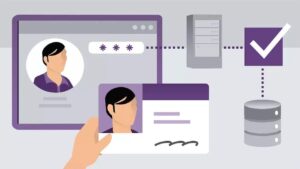

Table of Contents
- 1 Is it safe to pay with Bizum?
- 2 Bizum and the European PSD2 regulation: strong authentication
- 3 Bizum as a secure online payment method
- 4 Reverse Bizum and other common scams
- 5 Phishing, vishing and other scams linked to Bizum
- 6 Essential tips for paying securely with Bizum
- 7 Bizum security for businesses and online stores
- 8 What to do if you have been the victim of a Bizum scam