- Importance of OTA updates and signed firmware to prevent malicious code injection.
- Implementation of advanced encryption protocols such as TLS and mTLS to ensure data privacy.
- Comprehensive defense strategies that combine hardware security with passwordless identity management.

When we talk about home or business security, we often focus on lens resolution or recording retention time, but the real battleground is the device's firmware . This internal software, often overlooked by the average user, is the foundation upon which the entire operation of an IP camera is built, and if it has vulnerabilities, it's like leaving the door wide open to any curious onlooker or attacker.
Today, with the proliferation of IoT, simply setting a password and forgetting about it is no longer enough. The sophistication of cyberattacks necessitates a layered security approach , where end-to-end encryption and intelligent update management become fundamental to preventing our surveillance system from ironically becoming a tool for spying on us.

The dangers of traditional surveillance systems

Many of the devices flooding the market still suffer from outdated security flaws. One of the most critical issues is undoubtedly the use of default credentials that users rarely change, making it easy for anyone with basic networking knowledge to access the live stream. Furthermore, there are so-called backdoors, vulnerabilities that some manufacturers intentionally leave in place for maintenance, but which ultimately become entry points for hackers.
If a camera is compromised, the risks are terrifying. We're not just talking about a violation of privacy; the device can be used as a bridge to access other corporate networks, access control systems, or even be used in massive DDoS attacks. The sabotage of recordings or blackmail using captured images are real dangers that we cannot ignore.
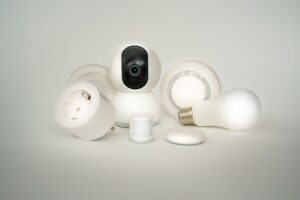
Firmware as the first line of defense

To combat these threats, the industry is evolving toward the concept of digitally signed firmware . This means that the device verifies the software's authenticity before installing it; if the code has been tampered with, the camera simply rejects it. It's the only way to ensure that malicious code isn't being injected during an update.
This is where over-the-air (OTA) updates come into play. The ability to patch vulnerabilities remotely and automatically is vital. In fact, sectors like automotive and healthcare already apply this rigorously, as a failure in a connected medical device can be a matter of life or death. Implementing a robust update system prevents cameras from being exposed to known security flaws that haven't been patched by the user.

Advanced encryption and secure remote access

To prevent video transmission from being intercepted, the use of modern encryption protocols is essential. TLS (Transport Layer Security) encryption is the standard for creating secure channels, but some go a step further by implementing mTLS (Mutual TLS) . In this scheme, not only does the client verify the server, but the server also requires a valid certificate from the device, completely eliminating the need for traditional passwords.
There are also approaches where the client has complete control through Enterprise Controlled Encryption (EC) . With client-side encryption, organizations can manage their own keys, ensuring that not even the cloud provider can access data without explicit permission. This is complemented by encryption of data both in transit and at rest , protecting information stored on NVRs or external servers.

Beyond software: Physical and regulatory security
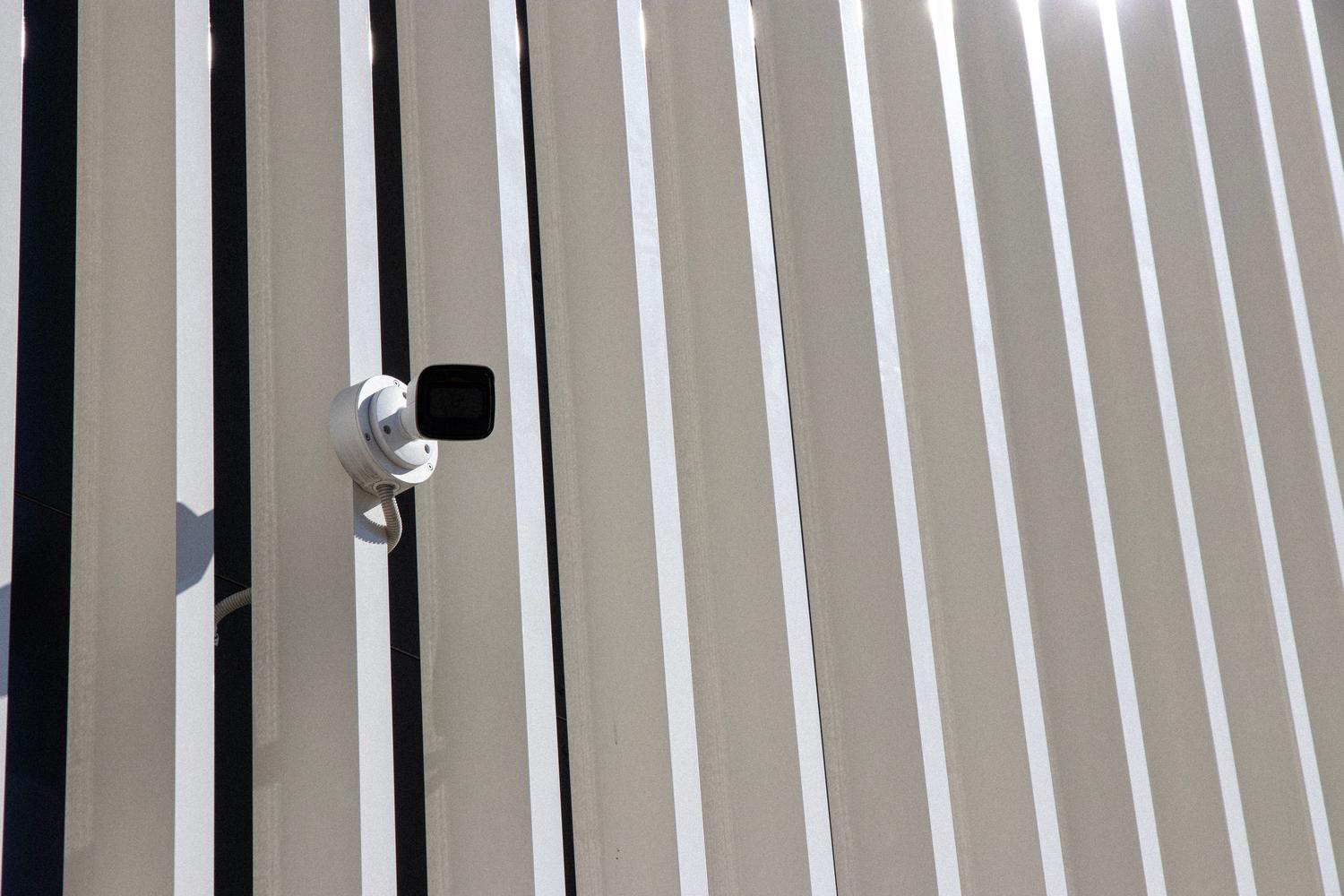
We cannot forget that an attacker with physical access to the camera can attempt to bypass digital defenses. Therefore, the integration of accelerometers and tamper sensors is a significant advantage, as they immediately alert if someone tries to move or remove the camera from its mount. Furthermore, it is crucial that the components comply with international standards such as the NDAA regulations , ensuring that the hardware does not come from manufacturers sanctioned for security risks.
For those seeking future-proof protection, post-quantum cryptography (PQC) techniques are already being explored . Algorithms like Dilithium or SPHINCS+ are designed to withstand the computing power of future quantum computers, ensuring that the firmware remains intact even with technologies that have not yet become widespread.
Practical tips for securing your installation
- Enable automatic updates provided the manufacturer allows it so as not to depend on your memory.
- Implement the Role-Based Access Control (RBAC) so that each user sees only what they strictly need.
- It uses private networks and Avoid exposing the camera's IP address. directly to the internet without a secure tunnel or configure a DDNS service or VPN.
- Create privacy zones in the image settings to avoid recording sensitive areas and comply with GDPR.
Having a unified ecosystem from a single manufacturer is usually the smartest option, as it reduces communication gaps between devices from different brands. The combination of robust, constantly updated firmware and end-to-end encryption is the only way to ensure that video surveillance fulfills its purpose of protecting us without becoming an additional vulnerability in our digital infrastructure.


Passionate writer about the world of bytes and technology in general. I love sharing my knowledge through writing, and that's what I'll do on this blog, show you all the most interesting things about gadgets, software, hardware, tech trends, and more. My goal is to help you navigate the digital world in a simple and entertaining way.