- The Raspberry Pi 5 represents a qualitative leap, allowing the execution of artificial intelligence and computer vision models locally and privately.
- It is possible to transform the home into a smart environment by integrating advanced home automation, cloud-free voice assistants, and autonomous security systems.
- From NAS servers and ad blockers to autonomous robots, the versatility of the hardware allows projects ranging from beginner to industrial level.

Getting into the world of electronics and programming might seem daunting at first, but having a mini-computer like the Raspberry Pi changes everything. This board has made it possible for any enthusiast, from the student who's never touched a wire in their life to the most seasoned developer, to bring technological inventions to life without having to spend their entire paycheck on expensive components.
With the arrival of the Raspberry Pi 5, the playground has become much bigger. We're no longer just talking about turning on an LED or creating a basic server; now we have the power to manage local artificial intelligence and process data in real time, opening the door to much smarter robotics and home automation that doesn't depend on external servers that could fail or spy on our data.
The technological leap of the Raspberry Pi 5
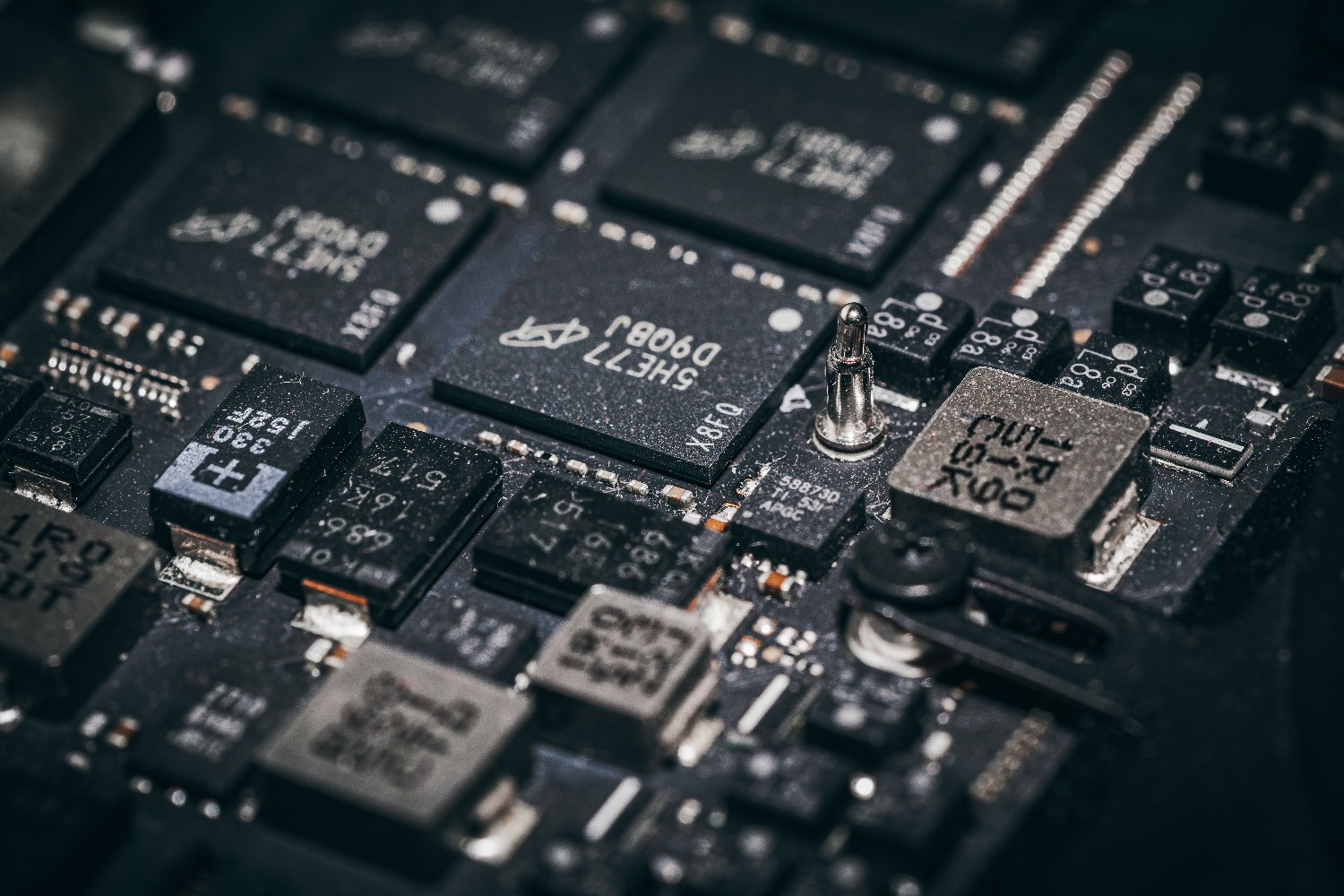
To understand what we can build today, we need to take a look at what the Pi 5 has under the hood. Thanks to its ARM Cortex-A76 processor and the option of up to 16 GB of RAM, this device behaves more like a desktop computer than a simple development board. The inclusion of a PCIe interface and USB-C connectivity allows peripherals to connect incredibly fast, which is essential if we want to connect SSDs that are ten times faster than typical microSD cards.
Furthermore, we can't forget the Raspberry Pi Pico 2W, whose hybrid ARM and RISC-V architecture makes it the ideal partner for IoT projects where energy consumption must be minimal but Wi-Fi and Bluetooth connectivity are essential. This combination of raw power and efficiency is what's driving the current maker revolution.
Artificial Intelligence and Computer Vision Projects
The most amazing thing about the current generation is that we no longer need to send our voice or images to the cloud. We can set up a completely private voice assistant by combining tools like Whisper so the Pi understands what we say, Ollama so it processes our intention using a language model (LLM), and Piper so it responds with a natural Spanish voice.
In the realm of surveillance, the combination of Frigate and YOLOv8 allows a camera not only to record, but also to distinguish between a person, a car, or a pet in real time. While the Pi 4 fell short in frames per second, the Pi 5 is capable of processing these images with surprising fluidity, enabling the creation of smart alerts that only notify us when something truly relevant happens at home.
Robotics and Autonomous Mobility

If you love making things move, robotics is for you. You can start with a basic Wi-Fi-controlled robot using a chassis with DC motors and an L298N controller, programming it in Python to avoid obstacles using ultrasonic sensors. For the more ambitious, the power of the Pi 5 allows you to create drones or autonomous vehicles capable of making complex decisions in milliseconds thanks to advanced sensor data processing.
Some are even taking this technology into space, creating CanSat-type mini-satellites that monitor their surroundings as they fall. This demonstrates that the circuit board is so versatile that it can serve as both a living room toy and an aerospace engineering experiment.
Advanced Home Automation and Home Management
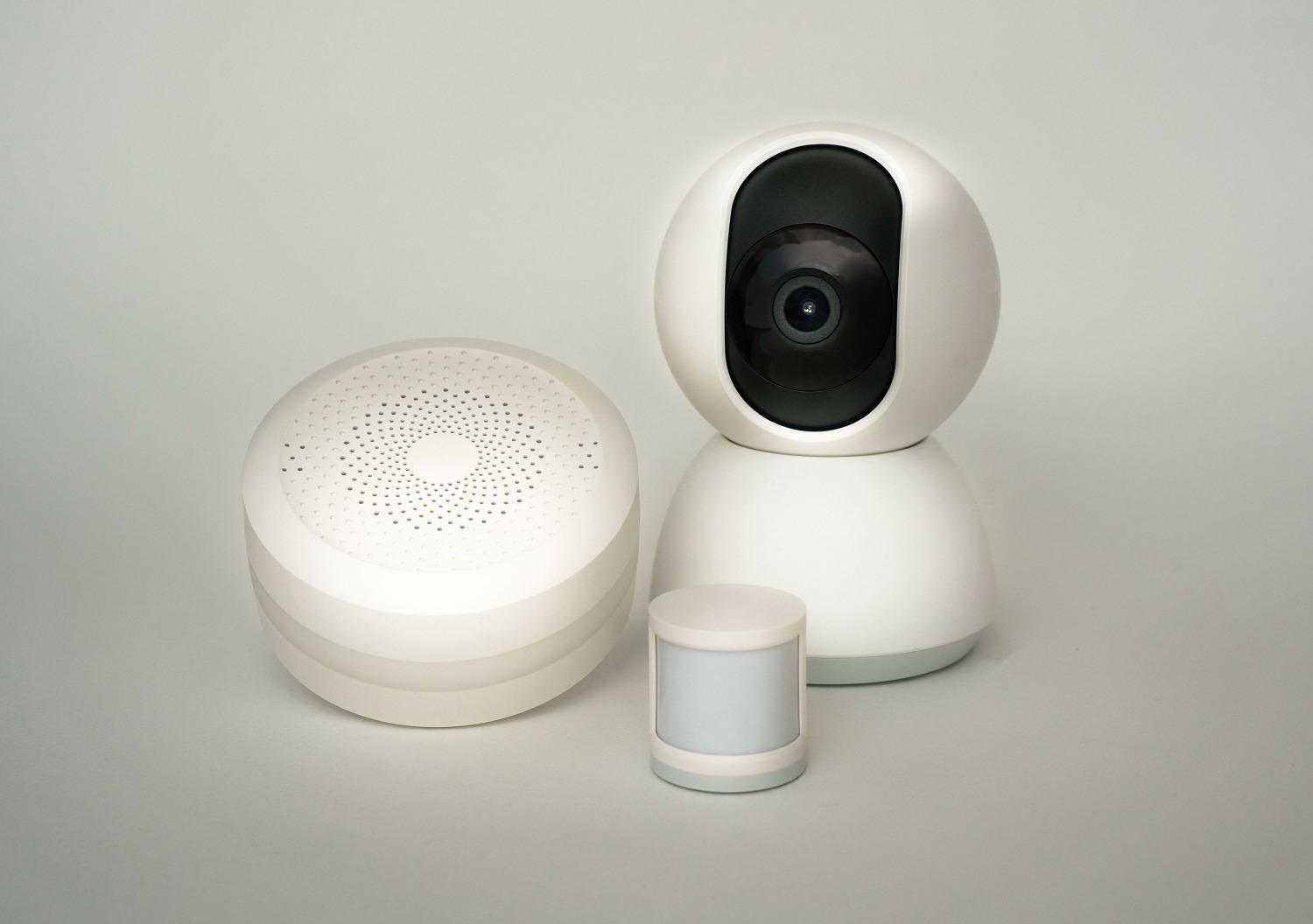
Setting up a central hub for your home is one of the most practical uses. With Home Assistant, you can unify devices from different brands into a single interface. Ideally, it should be installed on an SSD via USB to prevent the SD card from becoming corrupted by frequent data writes. From controlling heating and lighting to managing an automatic irrigation system that only activates when the soil moisture sensor indicates the ground is dry, the possibilities are endless.
To complement the home ecosystem, there are other essential servers. Pi-hole is a classic that blocks ads at the network level , cleaning up browsing on all connected devices without installing extensions in each browser. On the other hand, a NAS server with OpenMediaVault allows us to have our own private cloud, eliminating dependence on external storage services and ensuring the privacy of our files.
Other Creative and Multimedia Projects
It's not all about AI and robots. The Raspberry Pi remains the king of entertainment. We can set up a media center with Kodi or Plex to have our own home Netflix, or relive some nostalgia with RetroPie, turning the board into a retro gaming console capable of emulating everything from the NES to the PlayStation. For those looking for something more aesthetically pleasing, the Magic Mirror is a top-notch project that combines a monitor and a two-way mirror to display the time and calendar while you brush your teeth.
There is also room for pure utility, such as converting an old printer into a network printer using CUPS or creating a professional weather station with BME280 sensors that record atmospheric pressure and air quality in real time, visualizing everything on Grafana panels.
Optimization and Recommended Hardware
For everything to run smoothly, simply buying the board isn't enough. The Raspberry Pi 5 gets quite hot, so an active heatsink or fan is essential if you don't want the system to slow down and overheat. Regarding power, it's crucial to use the official 27W power supply to prevent the board from restarting when you connect many USB peripherals.
If the project requires high speed, moderate overclocking can provide an extra boost, but the smartest approach is to optimize the software . Using quantized AI models (compressed versions) allows a model like Mistral 7B to operate at an acceptable speed, balancing accuracy with response time.
Having such a powerful device in our hands allows us to move beyond simply being consumers of technology and become creators. Whether it's optimizing an office's energy consumption, protecting the privacy of our home network, or simply learning to program while building a robot, the ability to experiment without fear is what truly defines the maker experience. Ultimately, it's about leveraging this hardware to solve real-world problems or simply having fun discovering the full potential of open-source electronics.
FAQ
Which Raspberry Pi model is best for artificial intelligence projects?
The Raspberry Pi 5 is the ideal choice due to its more powerful processor and greater RAM capacity, allowing you to run computer vision and language models locally at a much higher speed than the Pi 4.
Is it necessary to use a fan on the Raspberry Pi 5?
It is highly recommended to install an active cooling system or heatsinks, as this model tends to run hotter than its predecessors and may reduce its performance to prevent overheating.
Can the Raspberry Pi 5 be used for home automation without an internet connection?
Yes, it is possible to configure systems like Home Assistant and local AI models like Ollama to manage the home and voice assistant without sending data to the cloud, guaranteeing total privacy.
What is the difference between using a microSD card and an SSD in the Pi 5?
The SSD offers significantly faster read and write speeds and is much more resistant to wear and tear, which is critical for servers that constantly write data, such as a NAS or Home Assistant.
Which programming language is most recommended for getting started in robotics with Pi?
Python is the most popular and recommended language due to its simplicity and the huge number of libraries available to control the GPIO pins and sensors on the board.
What power supply should I use to avoid power problems?
It is recommended to use the official 27W power supply, as the Raspberry Pi 5 requires more current than previous models to properly power the board and connected USB peripherals.
