- Data centers face a sharp increase in electricity demand and greater network risks, requiring instant and reliable backup power.
- BESS systems provide millisecond response, reduce demand peaks, generate savings, and enable more flexible energy models.
- Batteries allow for the integration of more renewable energy, the replacement of diesel generators, and a significant reduction in the data center's carbon footprint.
- The combination of storage hardware and advanced management software makes the data center a key player in the energy transition.
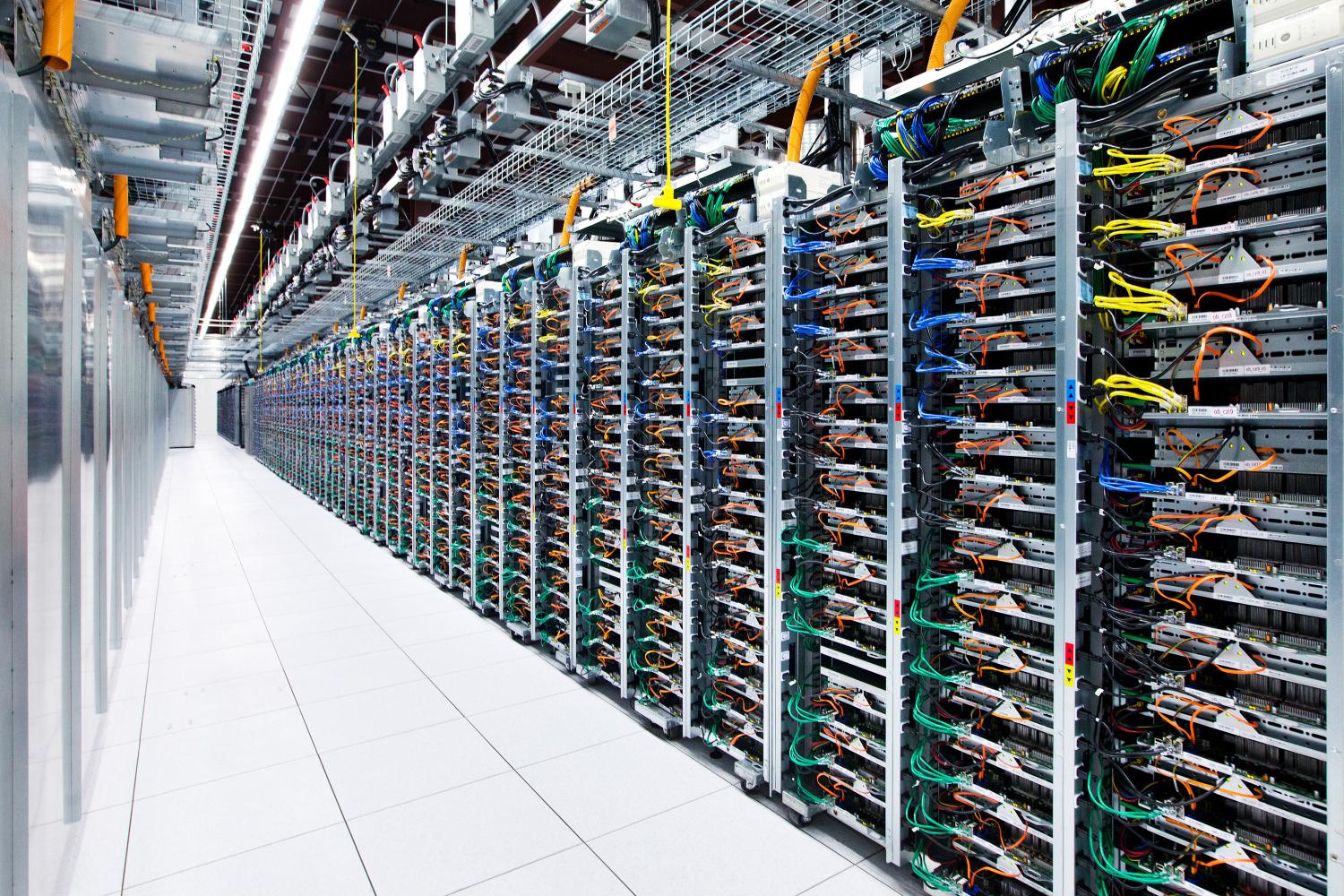
The explosion of cloud computing, generative AI, and digital services has driven data center electricity consumption to levels that seemed like science fiction just a few years ago. Today, these facilities consume around 2% of the world's electricity , and all indications are that this figure could double before 2030, with global energy use projected to reach nearly 945 TWh by the end of the decade . In countries like the United States, where more than 5400 data centers are already operating, official projections suggest they could consume up to 12% of the national electricity demand within a few years.
This explosive growth is putting existing power grids under immense strain and directly clashing with decarbonization goals. Operators face a double challenge: they need to guarantee near-perfect uptime in a context of aging networks and extreme weather events, while simultaneously being compelled to drastically reduce their carbon footprint and energy costs. Amid this perfect storm, battery energy storage systems (BESS) have gone from being a technological curiosity to a strategic piece of the data center energy puzzle.
The new energy challenge for data centers
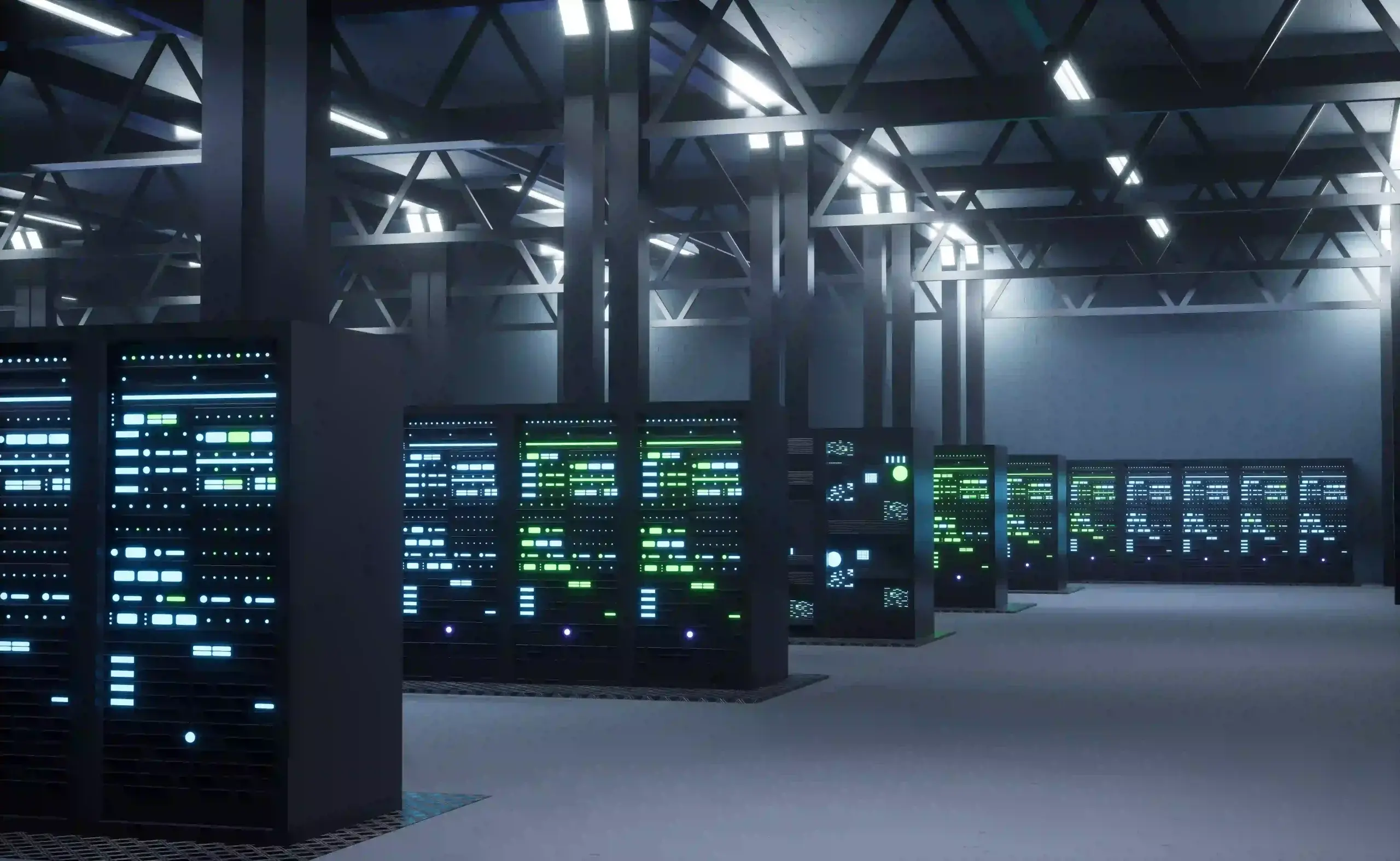
The sheer volume of data we move daily, coupled with cloud computing, AI, and hyperscale workloads , is forcing a shift in the global electrical infrastructure. In the US, there have already been cases where a transmission line failure has instantly disconnected around 1500 MW of data center load —an impact comparable to losing a large generating plant from the grid.
In many areas with a high concentration of data centers, capacity bottlenecks and long interconnection queues for new projects are beginning to appear. Added to this is the fact that current networks are experiencing more extreme events: storms, heat waves, fires, etc. The result is an increase in blackouts, micro-outages, and power quality issues . The average American customer experienced about 8 hours without power in 2020, and in some states, total annual outages reached between 30 and 60 hours.
For a data center, even a couple of seconds without power is a catastrophe. Studies like those from the Uptime Institute place the cost of downtime between $100,000 and $500,000 per hour in enterprise facilities, not counting reputational damage or contractual penalties. That's why the industry's historical obsession has been to surround itself with layers of redundancy that guarantee servers never go down.
Traditionally, all of this has been resolved with banks of diesel generators and lead-acid UPS systems . Generators have the advantage of being able to operate as long as there is fuel, but they bring with them a number of problems: CO₂ emissions and local pollutants, noise, the need for fuel tanks, complex maintenance, periodic testing, and, above all, a startup time of several seconds that necessitates oversizing uninterruptible power supply systems.
Furthermore, many large technology companies have decided that continuing to rely on diesel goes against their environmental commitments. Microsoft has set 2030 as the target date to eliminate diesel backup power , and Google has already tested large battery systems in data centers like the one in St. Ghislain, Belgium, to replace generators. Regulatory pressure in cities like Amsterdam and Singapore, where moratoriums or restrictions on data centers have been proposed for energy reasons, is also pushing towards a cleaner and smarter model of backup power.
What is a BESS applied to a data center?
A Battery Energy Storage System (BESS) is simply a large bank of rechargeable batteries with advanced power electronics and control systems , capable of storing energy and releasing it rapidly when needed. In a data center, it integrates with the existing electrical infrastructure (UPS, switchboards, transformers, and even generators) to provide a near-instantaneous power reserve.
The main difference compared to a generator is speed. While a diesel generator typically takes between 5 and 15 seconds to start and synchronize , a modern lithium-ion-based BESS can take over the load in less than 50 milliseconds . In practice, it behaves like a high-capacity, high-power UPS , keeping servers powered without flickering in the event of a power outage or voltage spike.
A typical BESS for data centers consists of battery modules (LFP, NMC, LTO, or other chemistries) , bidirectional inverters/converters, protection systems, and control software that determines when to charge, when to discharge, and how to interact with the grid and other assets (generators, solar panels, etc.). These systems are no longer sized solely in MW of instantaneous power, but rather with a strong focus on usable energy in MWh and the backup duration they can provide.
The great news for operators is that in recent years the cost of lithium-ion batteries has fallen by more than 20% between 2020 and 2024 , and the massive deployment in markets like California and Texas (more than 22 GW of utility-scale BESS combined in 2024) has demonstrated their large-scale reliability. This technological maturity means that installing BESS in data centers is no longer an experiment, but a fully industrialized decision.
Key benefits of BESS in data centers
The integration of BESS offers a triple advantage that's hard to ignore: greater resilience, reduced energy costs, and a radical improvement in sustainability . Let's look at each of these areas in more detail with real-world examples.
1. Extreme resilience and no-excuses uptime
In the data center business, uptime is the key metric. Here, battery backup systems (BESS) play a crucial role, guaranteeing stable, instantaneous, and high-quality power in the event of any network disruption . When a voltage drop, line failure, or total blackout occurs, the battery kicks in within milliseconds, so the IT systems are virtually unaware.
Modern battery backup systems (BESS) achieve availability rates exceeding 99,9% because they have no moving mechanical parts and are continuously monitored. Compared to the approximately 95% starting rate of a diesel generator, the battery system offers significantly greater responsiveness . Furthermore, they help filter harmonics, spikes, and rapid voltage drops, protecting highly sensitive equipment such as servers, storage systems , and network electronics.
A striking example is Microsoft in Sweden , where a 16 MWh BESS with a peak capacity of 24 MW has been installed in a hyperscale data center. This system provides approximately 80 minutes of full-load backup power , displacing dozens of diesel generators and reducing local emissions to zero during an outage. The BESS is also designed to support the regional grid, including black-start capability in the event of a major disturbance.
Another example is Google's data center in St. Ghislain, Belgium , where a 2,5 MWh battery was deployed to replace part of the diesel generators. During a real grid outage, the battery system kept the facility operational, preventing losses estimated at around $2 million in a single potential downtime incident.
Beyond these high-profile examples, BESS systems offer very concrete operational advantages: ultra-fast response, less maintenance, reduced mechanical complexity , and the ability to operate as a microgrid, combined with renewables or clean energy generators to overcome prolonged blackouts. All of this translates into fewer infrastructure failures and, therefore, more protected revenue and stronger contracts.
2. Savings on the electricity bill and control of peak demand
The second major set of benefits is purely economic. A well-managed BESS allows for peak shaving and load shifting based on pricing , two levers that can significantly reduce a data center's electricity bill.
The idea is simple: the system charges when electricity prices are low (at night, during off-peak hours, or when there is excess renewable generation ) and discharges when electricity is expensive or when power peaks are reached that would cause the demand term to spike. Many electricity contracts penalize the maximum kilowatt-hours recorded per month, so smoothing out these peaks with batteries can result in energy cost savings of between 10% and 30% , according to studies by NREL and real-world examples in large data centers on the US West Coast.
In addition to avoiding peak electricity rates, a BESS allows participation in demand response programs and ancillary grid services . During periods of stress on the electricity system, the operator can temporarily reduce their grid consumption and operate using stored energy, or even feed power back into the grid if regulations permit. In return, they receive payments or credits that transform their BESS into an additional source of income or cost reduction , rather than simply a parked insurance policy.
Regulation also helps. In the United States, the Inflation Reduction Act included a 30% tax credit for investment in stand-alone energy storage and a production credit of $35 per kWh manufactured, which is pushing numerous manufacturers—including automotive giants like Ford, Stellantis, and General Motors—to convert production lines from electric vehicle batteries to stationary storage solutions for data centers and AI . This shift is reinforced by tariffs of around 60% on Chinese storage batteries, which improve the competitiveness of domestic production.
A large facility on the US West Coast that implemented a battery system to manage its load profile reported millions of dollars in annual savings and a reduction of around 15% in its energy costs. Furthermore, during a summer power emergency, it was able to operate on battery and on-site generation for several hours, avoiding soaring spot prices and receiving compensation for not increasing the strain on an already strained grid.
3. Sustainability and maximum renewable energy levels for a sector under scrutiny
The third pillar of BESS value is sustainability. Data centers have become a focal point for customers, investors, and regulators who demand ambitious climate targets and credible plans to reduce emissions. Hyperscale operators like Google, Microsoft, and AWS have publicly committed to operating with 100% renewable energy or, in Google's case, with 24/7 carbon-free energy by 2030.
The problem is that solar and wind power are, by definition, intermittent. This is where BESS plays the role of glue, making the equation work in practice. These systems allow for the storage of surplus renewable energy when production exceeds consumption, and its release later during peak demand or when renewable resources are low (nights, windless days, etc.).
For large data centers, this opens the door to operating with very high percentages of real renewable energy. Apple, for example, has explained that one of its data centers in Nevada already runs on around 80% solar power , supported by on-site storage that transfers daytime production to nighttime use. Meta, at a hyperscale data center in Sweden, calculated that combining wind power with a large BESS (Battery Energy Storage System) saves around 100,000 tons of CO₂ per year compared to a traditional diesel-powered system.
Another important contribution is the direct reduction in emissions from replacing diesel generators . When a facility migrates its diesel backup power to batteries, emissions are eliminated each time there is a grid outage, as well as those associated with the periodic testing of the generator sets, which can consume tens of thousands of liters of fuel per year just to verify that everything is working. Real-world case studies show reductions of up to 60% in a data center's carbon footprint by combining BESS and grid consumption optimization.
From a regulatory standpoint, all of this aligns with objectives such as those of the European Union, which aims to reduce greenhouse gas emissions by 40% to 55% by 2030 compared to 1990 levels and includes data centers in its energy efficiency and reporting directives. As cities tighten noise, emissions, and land-use limits, being able to demonstrate the use of clean and quiet backup solutions like batteries can make all the difference when obtaining permits and licenses.
BESS versus traditional diesel generators and UPS
One of the most frequently asked questions by operators is whether battery systems can completely replace diesel generators and traditional lead-acid UPS systems . The short answer is that, for most real-world scenarios, yes, although with nuances and smart hybrid designs.
If we compare a BESS (Battery Energy Storage System) with a diesel generator set, the only clear advantage of diesel remains its potentially indefinite range as long as fuel is available. In everything else—response speed, efficiency, maintenance, noise, emissions, integration with renewables, and revenue-generating potential—the scales tip in favor of batteries.
In practice, the vast majority of data center outages last less than two hours , and statistics show that even in states with more vulnerable infrastructure, the total annual duration of outages is measured in tens of hours, not consecutive days. This opens the door to designs where the BESS (Battery Energy Storage System) easily covers almost all incidents , and generators (ideally cleaner or fewer in number) are only used in extreme, long-duration scenarios.
Furthermore, the capacity of a BESS is completely scalable. If a data center wants to guarantee 4, 8, or even 12 hours of backup power at full load, it can install the necessary MWh of energy, provided it has the space and budget. Long-duration storage projects (8-12 hours) are already underway in various markets to meet reliability requirements, and technologies such as flow batteries and liquid metal batteries are being explored, promising to further reduce the cost per kWh stored for extended periods.
When we compare BESS to a traditional UPS, the situation is quite different. BESS acts as a next-generation UPS with greater autonomy, increased intelligence, and enhanced grid interaction capabilities. While the traditional UPS's sole purpose is to provide a few minutes of power to cover generator startup, BESS can extend that backup, actively manage energy , participate in electricity markets, and optimize the facility's daily operating costs.
However, the data center sector has historically been very conservative regarding technological risk. The transition from lead-acid to lithium-ion batteries has been gradual, prioritizing chemistries with a strong safety track record, such as LFP, and placing significant emphasis on battery management systems (BMS), early failure detection, and risk compartmentalization. Emerging technologies like nickel-zinc or sodium-ion are generating interest, but adoption typically begins with well-defined pilot projects and only moves into the core infrastructure once years of field experience have been accumulated.
What batteries are used, packaging, and technical priorities
Regarding specific battery technologies, lithium iron phosphate (LFP) solutions currently predominate due to their favorable combination of cost, thermal safety, and lifespan. However, in applications demanding very high power density, there is interest in chemistries such as NMC/Gr or NMC/LTO configurations, capable of delivering or accepting extremely high power levels for short periods and withstanding thousands of deep charge and discharge cycles. Further information on the materials driving these chemistries can help explain why certain technologies dominate the market.
The debate over whether power density or energy density is more important depends on the use case. In traditional data centers where BESS is primarily used for backups lasting from minutes to a few hours and for peak shaving, specific power (kW per rack or per module) and millisecond response time are usually more important. In systems where storage is also used to shift large volumes of renewable energy from one time to another, energy density (kWh per square meter or per kilogram) and cost per kWh stored become more critical.
Regarding packaging, modular solutions in rack, cabinet, or container formats are the norm . In technical rooms, batteries can be integrated into racks compatible with the existing infrastructure, while for large capacities, prefabricated containers are used that connect almost like an energy-related "Lego" set. There is also a trend toward integrating batteries closer to the power electronics and, in some cases, even considering distributed architectures at the row or rack level of the IT system , although the latter is less common in large-scale projects.
Other theoretically promising technologies, such as flywheels , have not yet achieved widespread adoption in data centers for several reasons: they require space, have mechanical losses, demand specific infrastructure, and, above all, do not offer the long-term storage and energy management capabilities that batteries provide. They still have their niche for very specific high-instantaneous power applications, but the bulk of investment in the sector is being channeled toward electrochemical solutions.
In terms of requirements, many new data centers are setting a minimum of 1 to 15 minutes of battery backup time to cover the transition to other power sources (if available) or to tolerate frequent micro-outages. More advanced designs are now starting at scales of tens of minutes to a few hours, and operators increasingly value the flexibility of being able to adjust actual backup time with load-reduction strategies that prioritize critical workloads over less essential services.
In parallel, the industry is shifting from the classic "hardware and more hardware" approach towards one where the key lies in energy asset management software . Energy-specific Asset Performance Management (APM) platforms—such as those that rely on advanced analytics and AI, like Delfos solutions—allow for maximizing the return on investment in battery storage and energy systems (BESS): they optimize charging/discharging strategies, predict maintenance needs , detect anomalies before they escalate, and coordinate the operation of batteries, generators, and renewables in real time.
This entire movement is part of a broader transformation of the energy ecosystem. The slowdown in electric vehicle demand in the United States, coupled with the continued generous incentives for stationary energy storage , is prompting several automotive battery manufacturers—including Ford in Kentucky, Stellantis, and Samsung SDI in Indiana—to redirect a significant portion of their production capacity toward energy storage systems (ESS) for data centers and AI infrastructure. Simultaneously, other energy-intensive sectors, such as cryptocurrency mining , are repurposing facilities to house AI data centers, with the potential to free up 10 to 15 GW of electrical capacity if all US bitcoin mining farms were converted.
In this context, storage solutions like BESS are no longer just a "nice extra" but are playing a central role in decarbonizing the electricity system and containing escalating energy costs . Data centers are no longer simply energy-intensive consumers: through grid stabilization, increased renewable energy penetration, and advanced demand management, they are becoming active participants in the energy transition.
The practical conclusion for any operator is clear: investing in advanced industrial batteries and intelligent energy management platforms allows them to achieve that sought-after combination of maximum uptime, controlled energy costs, and much more sustainable operations . In a sector where every millisecond of downtime counts and where the demands of customers and regulators are constantly increasing, integrating BESS into the power architecture is no longer a technological whim, but a strategic decision that makes the difference between falling behind and being prepared for the next decade of digital growth.


Passionate writer about the world of bytes and technology in general. I love sharing my knowledge through writing, and that's what I'll do on this blog, show you all the most interesting things about gadgets, software, hardware, tech trends, and more. My goal is to help you navigate the digital world in a simple and entertaining way.