- WinCC Unified integrates HMI and SCADA into a web platform based on HTML5 and JavaScript, eliminating the need for plugins.
- The architecture supports full scalability, from simple panels to redundant client-server systems with advanced security.
- Implementing the MTP standard allows the integration of modules from different manufacturers into a unified control interface.
- Its application in the chemical, pharmaceutical, and food sectors optimizes the monitoring of critical variables in real time.

If you work in the industrial automation sector, you know that managing a plant is no easy feat. To ensure everything runs like clockwork, Siemens has developed a key tool called WinCC SCADA, which essentially prevents operators from working blindly, allowing them to monitor and control production processes by collecting real-time data.
But be aware that things have evolved, and now we have WinCC Unified. This platform isn't just an update, but a complete reimagining that integrates HMI and SCADA interface design into a single environment within the TIA Portal. It abandons legacy plugins and embraces modern web technologies, allowing you to monitor your factory from anywhere, whether it's a PC, tablet, or mobile device.
What exactly is WinCC SCADA and what is it used for?
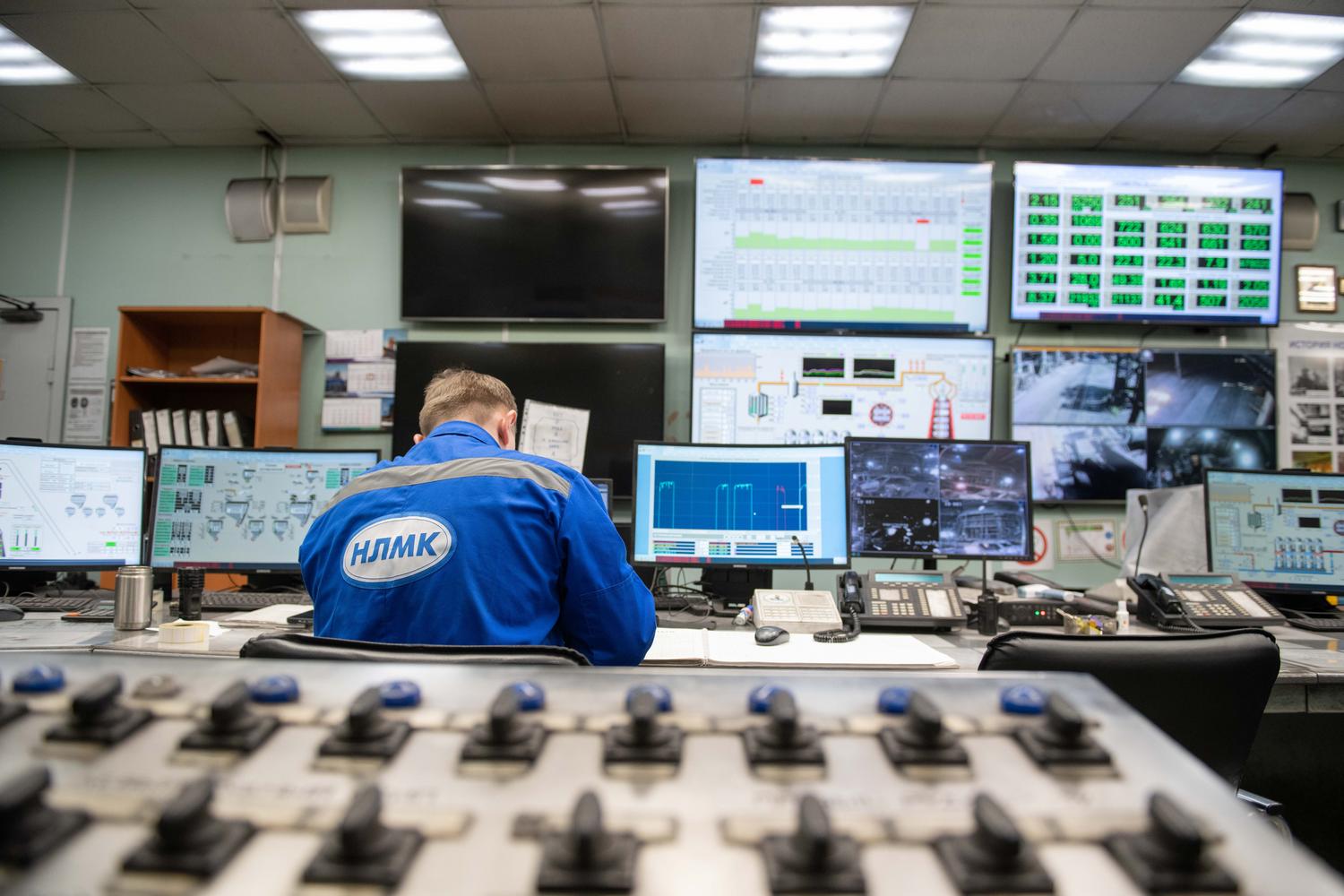
To put it simply, WinCC SCADA (with its standout service, WinCC OA) acts as the visual brain of the plant. Its main function is to collect data from sensors and devices distributed throughout the facility to ensure efficient control. It's not just about seeing numbers, but about monitoring critical variables such as material flow, pressure, and temperature without ever leaving the screen.
The great advantage here is that it transforms complex data into intuitive charts and diagrams . This allows any operator, regardless of their computer skills, to understand what's happening on the production line and make quick decisions based on real and accurate information.
Advantages of implementing WinCC in the industry
Using this system offers numerous benefits that make the factory much more productive. Key strengths include:
- Early detection of abnormalitiesBy monitoring everything in real time, any deviation is caught on the fly, preventing a small mistake from turning into a production disaster.
- Direct control from the interfaceYou don't need to physically go to the machine to change a parameter; you can adjust settings or activate devices directly from the SCADA software.
- Technological versatilityIt works wonderfully with other technologies, whether robotics, telecommunications or energy, making it adaptable to almost any sector.
WinCC Unified: The leap into the digital age

When we talk about WinCC Unified, we're talking about a paradigm shift. Unlike traditional systems, this version uses HTML5, SVG, and JavaScript . This means that the displays are vector-based and fluid, eliminating the need to install heavyweight software on each client.
For large companies, this is a game-changer. It offers complete scalability , allowing you to move from a simple HMI panel to a highly complex client-server architecture without changing the platform. Furthermore, integration with OPC UA, REST, and GraphQL enables plant data to flow directly into enterprise management systems such as ERP or MES.
Technical aspects and cutting-edge architecture
Setting up a system like this requires planning to avoid any shortcomings. Choosing the correct version (V17, V18, or V19) is vital, as is paying attention to the GPU and CPU hardware , since SVG graphics consume more resources than older static images. Mastering JavaScript is also essential for customizing more advanced features.
In terms of structure, WinCC Unified uses a distributed client-server architecture . This ensures uninterrupted operation by allowing for redundant servers. Security is top-notch: they utilize digital certificates, HTTPS, and Active Directory authentication to prevent unauthorized access.
Modular automation and the MTP standard
A modern concept that WinCC Unified handles perfectly is modular automation. Instead of rigid lines, it uses mobile modules that can be quickly reconfigured. To ensure that modules from different manufacturers can communicate, there is the MTP (Module Type Package) standard.
Thanks to SIMATIC MTP Studio , you can create files that describe the functions of a process unit. The WinCC Unified integrator then imports these files and displays the machines uniformly , regardless of who manufactured the equipment. To complement this, the SIMATIC Control Function Library (CFL) allows you to program object-oriented blocks, drastically reducing engineering time.
Real-world applications in various sectors

This system is not theoretical; it is used in the most demanding sectors in the world:
- Chemical industryGiants like Bayer or BASF use it to process complex data in real time and prevent accidents in critical chemical processes.
- Pharmaceutical sectorIn GlaxoSmithKline plants, it is vital to monitor pressures and temperatures with a millimeter precisionensuring the quality of the drug.
- Food industryCompanies like Nestlé and PepsiCo optimize their material flows and analyze Historical facts to improve the efficiency of their lines.
The path to migration
Moving from a traditional SCADA system (like WinCC Professional or Ignition) to WinCC Unified is a strategic move. While some elements can be imported, the smartest approach is to redesign the screens to take advantage of HTML5. Ideally, the migration should be phased in, starting with pilot projects to avoid jeopardizing overall production.
In the long term, this change reduces maintenance costs and eliminates reliance on outdated plugins, preparing the infrastructure for the next 10 to 15 years of industrial digitization.
Adopting these Siemens technologies allows a traditional plant to be transformed into a smart, connected entity, where unified visualization and technological openness facilitate seamless operational management fully aligned with Industry 4.0 principles.

Passionate writer about the world of bytes and technology in general. I love sharing my knowledge through writing, and that's what I'll do on this blog, show you all the most interesting things about gadgets, software, hardware, tech trends, and more. My goal is to help you navigate the digital world in a simple and entertaining way.