- Tor is an anonymity network based on multiple nodes to protect the user's identity.
- I2P uses one-way tunnels, making it more secure from traffic analysis.
- Freenet stands out for its storage decentralized, allowing uncensored file sharing.
- Each network has advantages and disadvantages depending on the use case: browsing, private messaging or content distribution.

Tor, I2P, and Freenet are three of the most important networks for privacy and anonymity on the internet. They allow users to browse anonymously, exchange information without leaving a trace, and circumvent censorship by governments and corporations. However, each of these networks has its own characteristics, advantages, and disadvantages that make it more suitable for different uses.
In this article, we will explore in detail how Tor, I2P, and Freenet work, analyze their differences , and determine which is the best option depending on the context in which they will be used. Throughout the analysis, we will highlight the main strengths and weaknesses of each of these technologies.
What is Tor?
Tor (The Onion Router ) is an anonymity network that uses a layered routing system to conceal the user's identity. It operates through a series of nodes or repeaters managed by volunteers, which redirect encrypted traffic through multiple layers before it reaches its final destination.
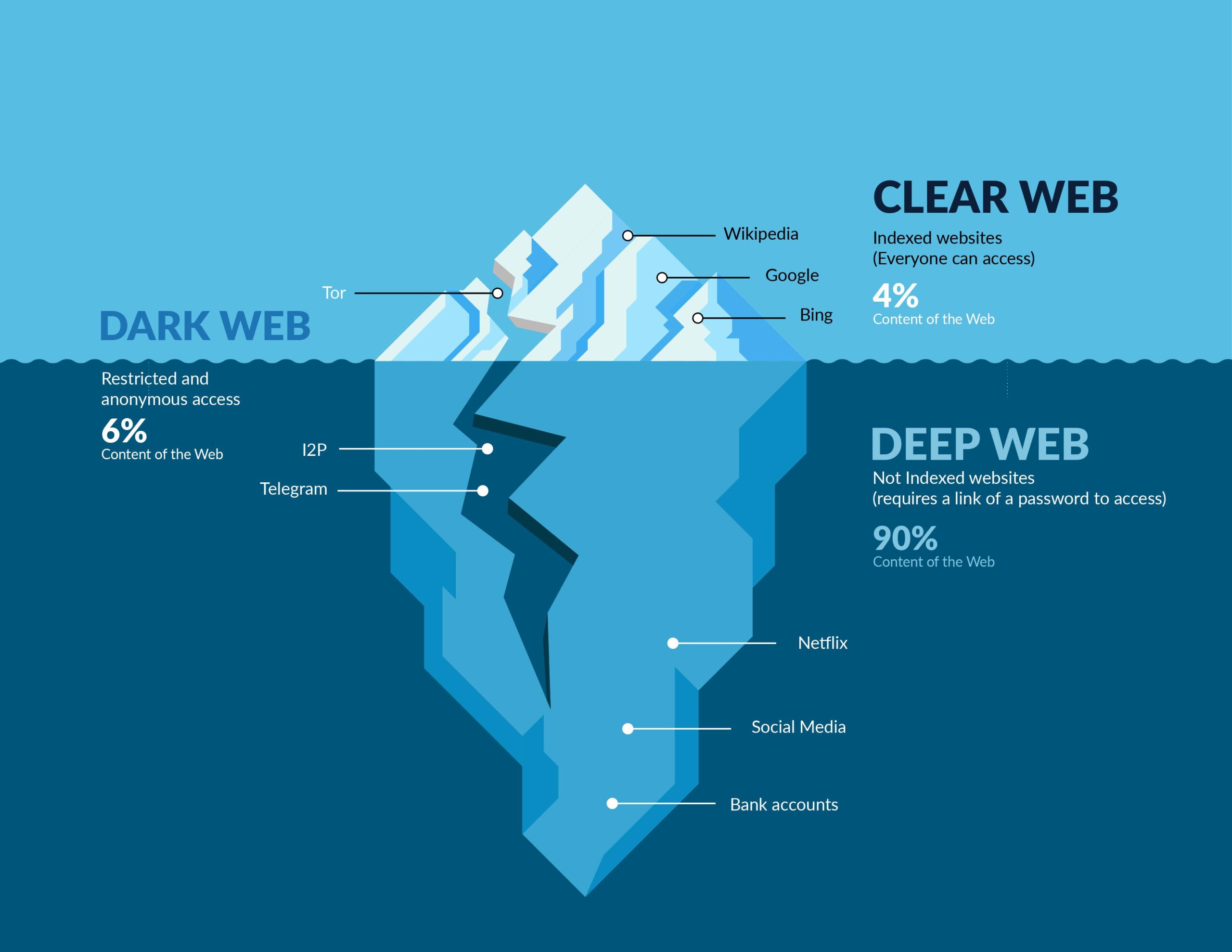
Tor's primary purpose is to protect users' online privacy by preventing their traffic from being tracked or monitored by third parties. It also provides access to the so-called Deep Web , where websites with the .onion extension can be found, accessible only through the Tor browser.
How does Tor work?
Tor operates on the concept of onion routing . Each time a user sends a request through Tor, their traffic is encrypted and routed through several randomly selected nodes within the network. Each node only knows the identity of the previous and next nodes, but none of them has complete information about the origin or destination of the traffic.
This system guarantees a high level of anonymity , making it difficult for any attacker to trace traffic or identify users within the network.
Advantages and disadvantages of Tor
Although Tor is one of the most widely used anonymity networks, it has advantages and disadvantages that should be considered:
- Advantages:
- High compatibility with browsers and OS.
- Allows access to the Deep Web through .onion sites.
- It has a large community of users and developers.
- Disadvantages:
- It can be slow due to routing through multiple nodes.
- It is susceptible to traffic analysis attacks.
- Access to certain services may be restricted due to blocks.
What is I2P?
I2P (Invisible Internet Project) is an anonymous network designed to enable secure and private communication between its users. Unlike Tor, I2P does not focus on providing access to the conventional web, but rather on providing a completely independent ecosystem for data exchange.
How does I2P work?
I2P uses a one-way tunneling system to route user traffic. Each message sent within the network is encrypted multiple times and forwarded through different nodes before reaching its destination. This system enhances user privacy by making it more difficult to trace communications.
Advantages and disadvantages of I2P
Among the main advantages and disadvantages of I2P we find:
- Advantages:
- Greater resistance to traffic analysis attacks thanks to its unidirectional tunnels.
- Lower risk of government surveillance due to its distributed structure.
- Ideal for messaging services, file sharing and private forums.
- Disadvantages:
- Fewer users compared to Tor, which can affect its performance.
- Requires more complex configuration compared to Tor.
What is Freenet?
Freenet is a decentralized network designed for the anonymous exchange of information. Its main feature is that it allows users to store and share files without requiring a direct connection between sender and receiver.
How does Freenet work?
Freenet uses a distributed storage system in which files are divided into encrypted fragments and stored on different nodes across the network. Users can retrieve files by requesting the corresponding fragments, which are then automatically reassembled.
Advantages and disadvantages of Freenet
- Advantages:
- Censorship resistance, as stored files remain accessible even if the original user logs out.
- High security and privacy thanks to its distributed storage system.
- Disadvantages:
- Slower access speed compared to other anonymous networks.
- Fewer resources and documentation available.
Tor, I2P and Freenet are three anonymity solutions with different approaches. Choosing the best option will depend on the specific needs of each user.

Passionate writer about the world of bytes and technology in general. I love sharing my knowledge through writing, and that's what I'll do on this blog, show you all the most interesting things about gadgets, software, hardware, tech trends, and more. My goal is to help you navigate the digital world in a simple and entertaining way.