- AI transforms reactive support into proactive support through predictive analytics and large-scale personalization.
- Semantic analysis replaces traditional surveys, detecting emotions and nuances in real time to measure actual satisfaction.
- AI-powered omnichannel eliminates data fragmentation, ensuring a consistent user experience across all channels.

The way companies communicate with their users has undergone a complete transformation. Simply responding quickly is no longer enough; now, customers expect to be understood immediately, to not have their problem repeated three times, and for the service to be truly personalized and proactive . This is where artificial intelligence comes into play, not as a mere human replacement, but as an engine that enhances every interaction so that the customer feels valued and not just another number in a queue.
Implementing AI in customer support isn't just about adding a bot that says "hello"; it's about redesigning the entire user journey . From the moment a question arises until it's resolved, the technology allows for the analysis of massive amounts of data to anticipate needs, unify channels, and, above all, measure satisfaction much more accurately than with the typical survey no one wants to fill out. Let's break down how this revolution is changing the game in customer service.

Transforming the experience: Personalization and Omnichannel
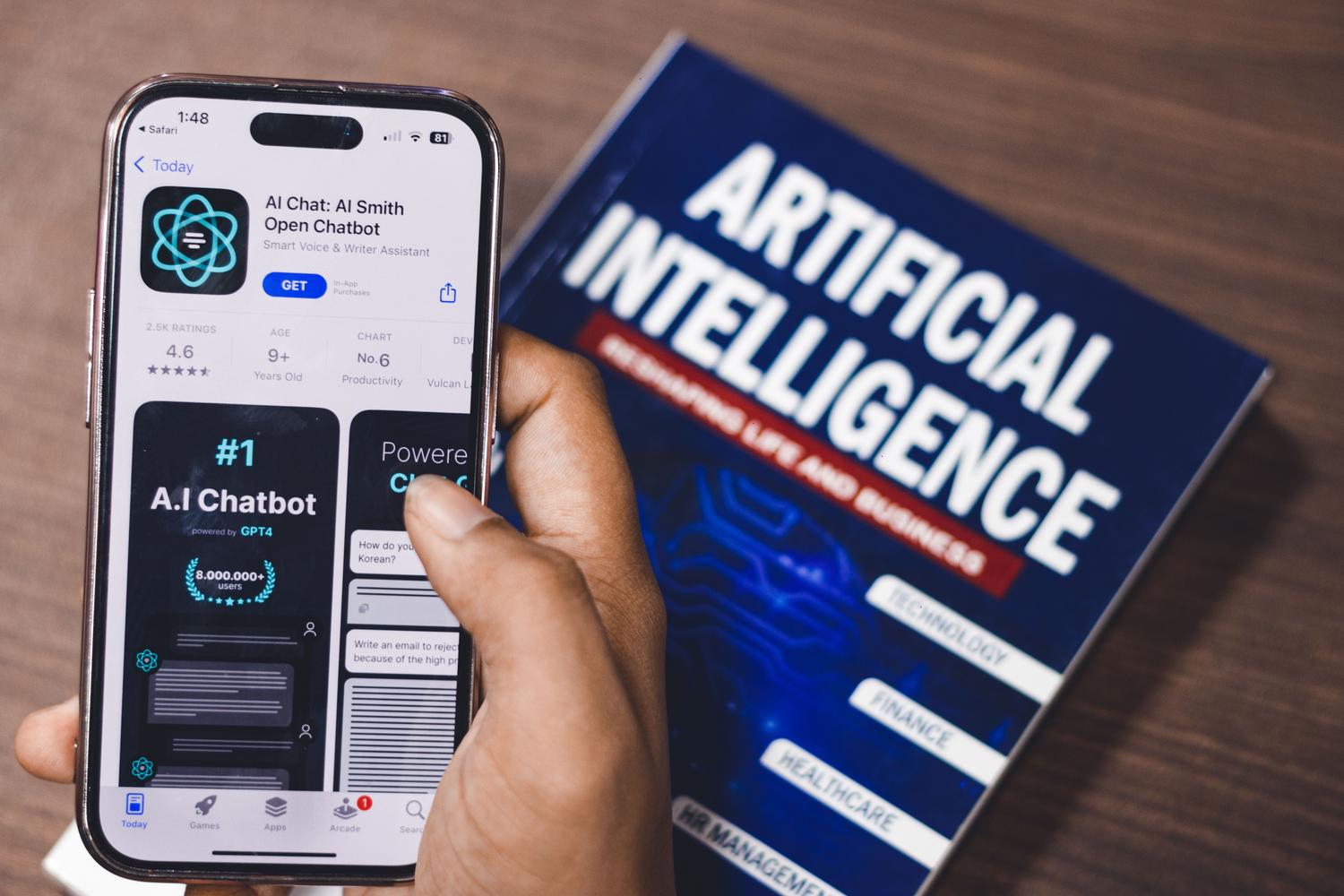
AI allows organizations to move from a reactive to a proactive model. Thanks to recommendation engines and the analysis of historical patterns, brands can anticipate user needs even before they ask, generating tailored content and solutions. This makes people feel that the company truly understands their preferences, which boosts loyalty.
One of the biggest headaches for any customer is channel fragmentation. There's nothing more frustrating than starting a conversation over the phone and then having to explain everything again when messaging via WhatsApp. AI solves this with seamless omnichannel support , unifying the history in real time, similar to how you can organize customers with labels in WhatsApp Business for efficient follow-up. This way, the conversation flows smoothly and accurately, regardless of the touchpoint, eliminating friction and saving valuable time for both the customer and the agent.

Predictive AI and operational efficiency

The use of Machine Learning (ML) has enabled predictive support. By capturing the intent behind a query, systems can offer immediate solutions and escalate only complex cases to humans. This not only reduces the stress on agents, who no longer have to deal with repetitive tasks, but also ensures complete availability, 24/7.
In critical sectors, such as healthcare, this technology is vital. The pressure on healthcare services is enormous, and poor management can negatively impact patient well-being. AI helps assess soft skills behaviors , such as empathy and active listening, allowing supervisors to identify areas where staff training needs improvement to enhance the Customer Satisfaction Score (CSAT).
New ways to measure customer satisfaction

Until now, we relied on quantitative indicators such as the Net Promoter Score (NPS), which measures the likelihood of a recommendation, or the Customer Satisfaction Score (CSAT), which assesses one-off satisfaction. While useful, they have a major flaw: they don't capture the emotional complexity or the "why" behind the rating. The NPS can be culturally biased, and the CSAT depends too heavily on how the question is worded.
Artificial intelligence breaks through this barrier using semantic analysis and natural language processing (NLP) . We no longer rely on customers filling out forms; now we can analyze thousands of chats, emails, and voice recordings in real time. AI detects nuances, such as when someone starts a message with a positive tone but ends up expressing hidden frustration, allowing the company to act before the customer decides to leave.

Advanced tools to optimize responses

AI's ability to process speech and convert it to text allows for objective analysis of service quality, eliminating the biases of human evaluators. Furthermore, conversation tracking enables the identification of recurring patterns and points where communication breaks down, transforming each interaction into valuable data for improving the product or service.
Another disruptive advancement is predictive analytics applied to marketing and pricing. AI can estimate a customer's lifetime value or detect who is at risk of churning , allowing for personalized offers or dynamic pricing at the precise moment to retain them. It's essentially a shift from intuition to analytical evidence.
Keys to successfully implementing a virtual assistant
For an AI chatbot not to be a hindrance, it must be seamlessly integrated with the company's CRM and based on an up-to-date knowledge base. The goal is not to eliminate humans, but to create a smooth handoff : when the bot detects that the situation requires genuine empathy or is too complex, it transfers the session to the agent with all the necessary context so the user doesn't have to repeat themselves.
It is essential to monitor metrics such as FCR (First Contact Resolution) and average handling time. If the bot does not improve these indicators, it is a sign that the training needs to be reviewed. Likewise, it is crucial to mitigate AI delusions by limiting its access to verified information and ensuring strict compliance with data protection regulations such as the GDPR.


Passionate writer about the world of bytes and technology in general. I love sharing my knowledge through writing, and that's what I'll do on this blog, show you all the most interesting things about gadgets, software, hardware, tech trends, and more. My goal is to help you navigate the digital world in a simple and entertaining way.