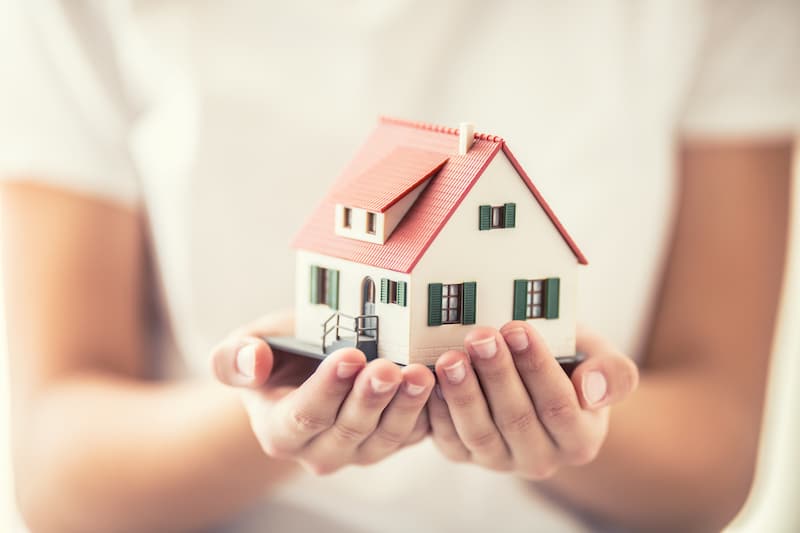
What is the definition of household poverty? And how can you avoid being poor at home? Well, it's not just what you do, but what you DON'T do that can make your household budget higher or lower. It's painful to say, but too much information about home ownership can leave you homeless, worse off financially, and full of regrets.
These are not half-truths or misplaced hopes. Instead, I'm referring to bold exaggerations that lack any reality checks about how your life will unfold in the years ahead.
Instead of communicating up front, you may be met with complete silence on basic issues like.
- Can I afford a house like this?
- Are monthly payments possible?
- Can I really believe that this house could find a better home if it is sold?
Many people live in houses they cannot afford, which is shocking. It is crucial to find out what it means to be house poor before signing any legal documents.
What does it mean to be “poor at home”?
What makes a person “house poor”? If you’ve been around personal finance for a while, you know that in most cases, buying a house is usually a good investment. However, in some cases, this may not be the case.
This is because many people can find themselves in a situation of “household poverty” if they are not careful. Many people buy homes because they believe that a home is an investment. However, this may not be true in all cases. A person is considered to be household poor if the majority of their monthly income goes towards the purchase or maintenance of their home.
The mortgage, maintenance, utilities, and other expenses are just a few examples. As a result, people in this situation find themselves with little to no room to maneuver to take care of other regular expenses or to work toward their savings goals. This is also known as being house rich, money poor.
It may seem absurd, but anyone can easily find this place. When making decisions, we don't always rely only on numbers. It's not enough to just consider numbers when buying a house.
Some people may be motivated by the prospect of having children in the future and want a bigger home. Or being in a trendy neighborhood that is expected to experience rapid growth in the coming years may trigger the need to grow.
While numbers can tell a story, emotions can make a simple and direct decision to create a new, inaccessible reality . Now you know the definition of "home poor." Now let's talk about what happens when someone buys a house they truly can't afford.
What happens when people buy houses they can't afford?
Whether you're buying your first home, purchasing a vacation home, or purchasing a rental unit, you probably think of it more as owning property than an investment, right?
Well… not if you want to avoid being poor at home. From what I've observed, people who are successful at homeownership see their house as an investment from the very beginning.
That doesn't mean they don't live in it and make it their home, but rather that they approach their home with the mindset any investor would have when considering a property: a mindset based on reality and numerical facts (not feelings).
They understand the financial consequences of living beyond their housing affordability. They do everything they can to avoid it. Household poverty can have real consequences, such as:
Your savings will be reduced if you don't have a house
While it may seem noble to invest all your resources in buying the house you want, this can mean a loss in your savings. Do you need a new mattress? You could end up in debt. Do you need to replace your car? You could end up in debt.
Are your children forced to go to college? They will end up in debt. Being poor at home leaves you with no room to maneuver to take care of the other daily needs of life.
These changes can have a negative impact on your retirement savings goals.
Some retirement funds, such as a Roth IRA, allow you to borrow funds from your retirement account to purchase your first home.
And while it's nice to know the option is there to fall back on, it can completely derail your retirement plans, especially if you can't pay back the loan.
If you have to consider taking out a loan against your retirement savings, you'll need to ask yourself if you're really financially prepared to make the purchase. This may be an indicator that you're not financially prepared to make the purchase.
Being the poor house impacts Other debts paid
It's a good idea to budget for all monthly debts, including consumer credit card debt, before making your mortgage payment.
If you don't, it can be difficult to pay off additional debt if you're house rich but cash poor. You won't be able to get out of debt.
Being poor at home can affect yourOur general goals in life
On average, a mortgage can last up to 30 years . It's likely that the rest of your life will follow this pattern. You can still look forward to traveling, eating out occasionally, or finally attending that class you've been eyeing.
You shouldn't let your mortgage stop you from doing this. If done correctly, your mortgage should allow you the freedom to pursue your other vital interests, guilt-free. What are some ways to do this? You can do this by limiting the amount of your take-home pay you contribute to your monthly mortgage payment.
What percentage do you take home that you pay? Your mortgage must be?
While a lender can make calculations that determine your monthly budget, you are ultimately responsible for your numbers. You don't want to get too involved in your home's down payment. You also want to make sure you have the ability to pay your monthly mortgage payments.
There may be personal situations that you are not aware of and that your lender is not aware of. This could include caring for your elderly parents or any out-of-pocket healthcare expenses you may have. Your lifestyle and personal characteristics, along with the costs associated with them, may be overlooked by lenders.
Is it possible to live on only $2.000 a month in mortgage payments? Do you have the financial resources and willingness to change your lifestyle to pay off a mortgage? Are you okay with continuing to live your normal lifestyle with the items you like to spend money on?
To calculate your monthly mortgage payments, lenders also use gross income. However, as a buyer, you can get a better idea of your income by working with it. This will allow you to see how much you need for mortgage payments, taxes, insurance, and bills.
What should be your magic number for paying off your mortgage? Generally, there are two schools of thought on this issue: a conservative approach and a more liberal one.
Conservatism
Experts recommend this strategy: Never pay more than 25% of your mortgage payment . You'll have more money for unexpected expenses.
A more liberal approach
Experts in other fields advise that you can use 35% of your pre-tax income to pay down a mortgage . Regardless of the figure you choose, make sure it reflects the freedom or limitations you're comfortable with as you work to downsize your home.
Consider the following costs when purchasing a home
You should also take into account other expenses that may be associated with your mortgage.
Public services
Utility costs are expenses that homeowners may incur. These include water, electricity, and cable. They won't be included for you if a lender does.
It's a good idea to include these costs in your monthly budget.
Maintenance
Owning a home isn't without its challenges. Normal wear and tear can eventually render some areas of your house uninhabitable.
These areas are important for property owners and to preserve the value of the property in case of sale.
If you are poor, your ability to cover these maintenance costs will be limited, which can reduce the value of your home over time.
In planned communities, there are association fees.
You may share common areas of a condominium, such as lawns and swimming pools. These common areas are often expensive to maintain.
A committee of association members will collect dues from residents. They also maintain the property for common use. They can add up quickly.
Moving and decorating
It is expensive to move into a house and decorate it. So you can plan your move well, not only for the purchase of the house but also for the expenses of the same
For example, truck rentals, moving, etc. Also to be able to create a living space that you like after having settled in.
Six tips to avoid being poor at home
Here are some tips to help you avoid becoming a house poor when you calculate the costs of buying a home.
1. A larger down payment can help you avoid becoming a house poor
A decent down payment will not only increase your equity, but it will also lower your monthly payments. Your interest rate may be reduced if you put more money into your home.
You can potentially save thousands of euros over the term of your loan. You can lower your interest rate. You'll have a better loan-to-value ratio. Your lenders will notice.
You are considered less risky, which means you will pay a lower interest rate. You can get loans with lower down payments. However, you want to save money on the mortgage and avoid putting the house in disrepair.
2. In order not to become homeless, you can buy a more affordable house
Some people decide to buy a starter home . It might not be their "dream home," but it's a way to secure a mortgage and maintain a home in good condition. It's important to assess our wants and needs to decide what our home truly requires.
Consider whether you can afford a smaller or more expensive home before you commit to buying. A smaller home can be used as a starter home, and you can rent it out to investors or buy it to upgrade when you've saved up enough money.
3. Before buying your house, pay off any other debts
A good way to avoid becoming house poor is to get rid of your debts before you buy a home. You can get a mortgage if your credit is not good. This will lower the interest rate on your mortgage.
You can save money for unexpected expenses or to improve your home. Debt is expensive. To become financially independent, create a strategy to reduce your debt.
4. Make sure you have an emergency fund.
The hardest lesson for a homeowner is not having enough money to repair their house. You can't fix something if you've spent all your money.
You should also build up an emergency fund for your home. You'll be covered in the event of a major repair not covered by your insurance.
5. Budget with a single income
Budgeting on one income is a good way to save money if you're buying a home with your spouse. You may be able to afford one payment instead of two.
You won't feel like you're losing your job.
6. Don't take refuge in the jump
The act of buying a home involves purchasing and living in a house for a short period of time while its value appreciates. Then you move to another house.
Flipping a home is a way to make money, but people often forget about the bigger costs, like closing costs and real estate fees. These costs can eat into any short-term gains in value. All of these costs need to be taken into account.
How to tackle household poverty
If you find yourself in poverty today or forced to live at home due to a series of unfortunate events, you can surely find ways to make your mortgage payments more bearable. Here are just a few ideas:
1. Online sale of items you no longer need
You can sell items you don't need on eBay to make quick money. eBay or Facebook Marketplace. The extra money can be used to cover your monthly fee.
You can even start a side business selling used items online. The income can be used to grow your business or pay off your mortgage.
2. Looking for a second job
It's not easy to have a joke on the side. Sometimes it can even be easier to get a second job. Look for extra work opportunities in your area, whether nearby or far away, so you can increase your income while you take a break.
3. Spend less
In order for you to be successful in the home buying process, it is important to have a budget. With a budget, you can easily identify areas where you are overspending or areas where you have room to cut back.
4. Rent out a room in your house
You can also find roommates to help you earn money and get out of the house. You can collect rent and split the electric, cable, water, etc. bill.
You can rent out a room if you don't want someone sharing your home all the time (Airbnb ). Sometimes you can make more money if you don't have anyone in your house 24/7. In fact, housing can cost more than $500 a month for many people. That's a significant amount that can help you pay off your debts.
5. Reduce the size of your house
When all else fails, and you feel like you have no choice but to lose your home, it may be worth considering selling. While it may seem extreme, if you are able to make a profit while downsizing, you may be able to reduce debt and avoid bankruptcy.
To be financially prosperous, avoid being poor at home
Bottom line: Being poor at home is something you can avoid. Just because a lender is willing to lend you a lot of money doesn't mean you should keep it. You have options.
It's fine to rent while you look for the right home. For more information on buying your first home, click here. Check out our completely free course . This is the topic.
You will be guided through every step to help you purchase your first home.

My name is Javier Chirinos and I am passionate about technology. Ever since I can remember, I have been interested in computers and video games, and that passion has turned into a job.
I have been publishing about technology and gadgets on the Internet for over 15 years, especially in mundobytes.com
I am also an expert in online marketing and communication and have knowledge in WordPress development.